At a Glance
The air is thick with humidity and the clack of dominoes. From a corner colmado, the high, sweet guitar of a classic bachata tune spills onto the street. This isn’t a scheduled social; it’s just Tuesday night in Santo Domingo. This is where the dance lives, breathed in with the evening air.
Santo Domingo: The Source
This is bachata’s sacred ground. Born in the capital’s working-class barrios, the dance here is not a hobby but a language. The style is pure Dominican, intricate, playful footwork and a grounded hip movement that connects directly to the syncopated bass and güira. It’s a feeling you won’t find at a European congress; it’s raw, authentic, and deeply musical.
The historic Zona Colonial is the scene’s gravitational center. While dedicated clubs exist, much of the magic happens organically. Colmados (corner stores) transform into impromptu dance floors where locals share a Presidente beer and dance on the sidewalk. This is where you’ll find the true pulse of the city’s dance culture.
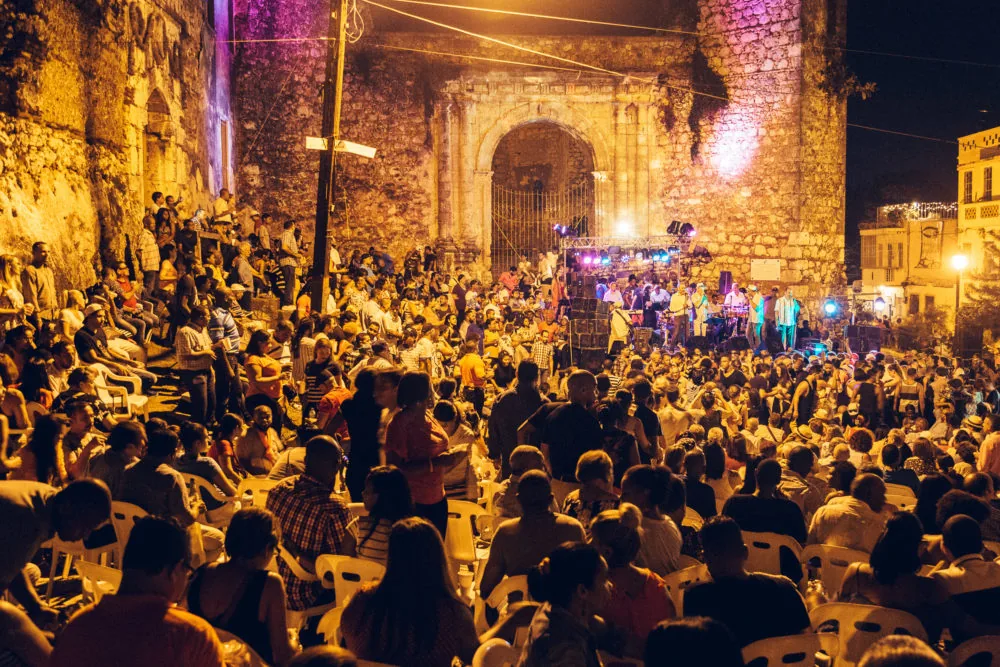
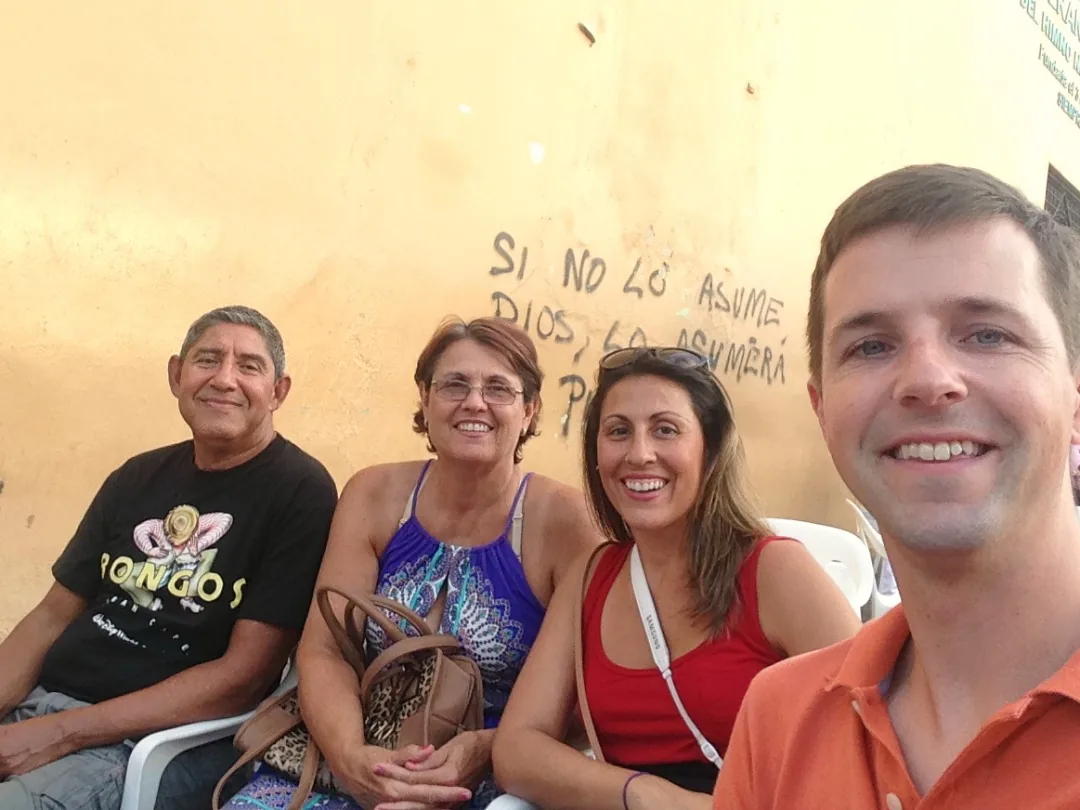
Every Sunday evening, the historic stones of the Ruinas de San Francisco host the city’s most essential dance experience: Grupo Bonyé. This is not a formal social but a free, open-air concert where hundreds of locals, from grandparents to grandchildren, gather to dance son, merengue, and bachata. The energy is electric and profoundly welcoming.
For a more structured night, the Zona Colonial offers several options. You can find nightly music and dancing, often with a mix of locals and travelers who have come to pay their respects to the source. If you want to sharpen your skills, local studios offer drop-in classes.
Mexico City: The Metropolis
If Santo Domingo is bachata’s soulful heart, Mexico City is its sprawling, high-energy nervous system. With a metro population over 22 million, the scale is immense, supporting a diverse scene where every style of bachata finds a home. You can drill Dominican footwork on a Tuesday and lose yourself in a sensual social on a Friday, all within the same few kilometers.
The adjacent neighborhoods of Roma and Condesa are the epicenter. This is where you’ll find the highest concentration of dance schools and venues. Unlike the DR, Mexico City has a robust “class-then-social” culture, making it easy for travelers to jump in. It’s also incredibly affordable; cover is often just 100–200 MXN ($6–12 USD).
An institution in Roma Norte, Mama Rumba is a must-visit for its sheer, unadulterated energy. While its roots are in Cuban music, the live bands and DJs spin a potent mix of salsa and bachata that keeps the floor packed until the early hours. The space is tight, the music is loud, and the dancing is top-notch.
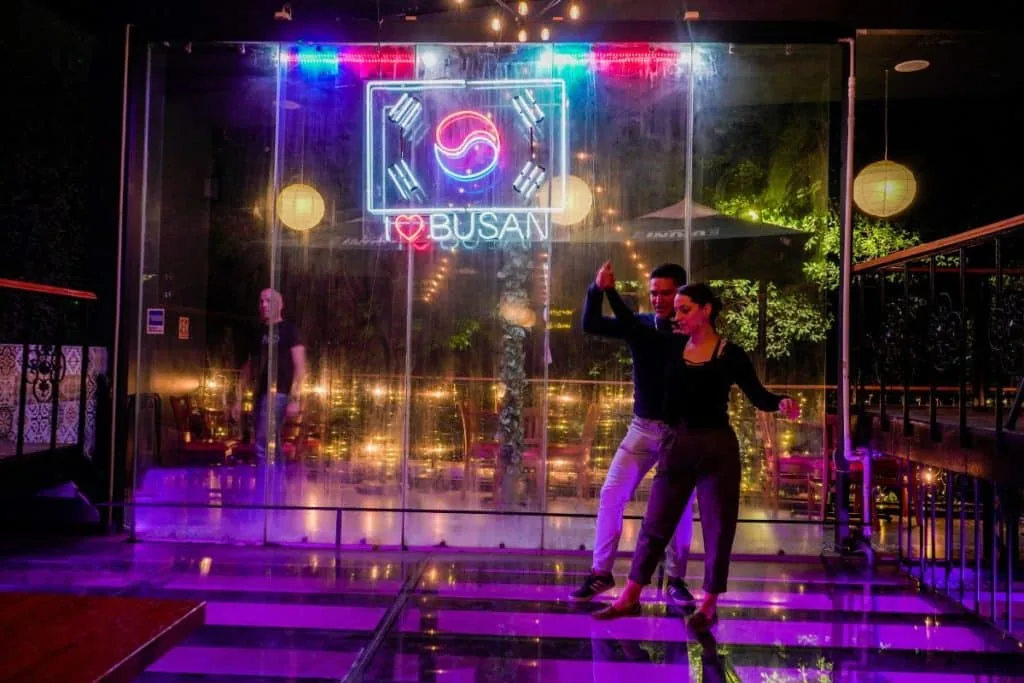
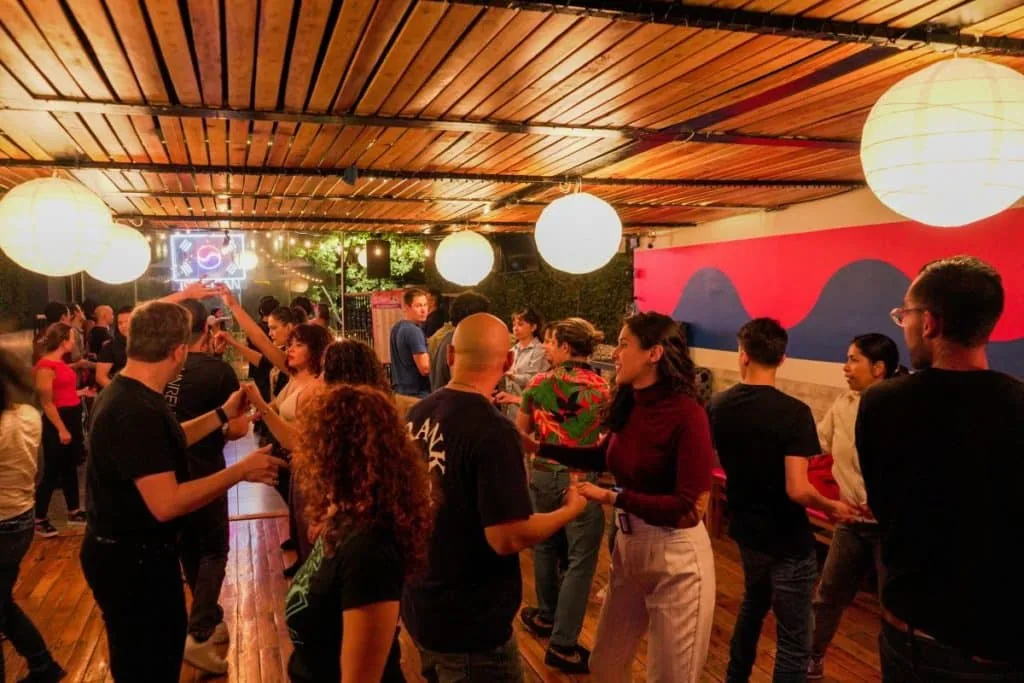
For a truly unique experience, one of Condesa’s most talked-about socials happens in an unexpected location. This fusion of culture is classic CDMX, a city that absorbs influences and creates something entirely new, and welcoming.

Other Scenes at a Glance
While the Dominican Republic and Mexico offer the deepest experiences, other cities have cultivated their own scenes worth exploring. Colombia’s famous musicality is on full display in Medellín, while Santiago’s scene is fueled by a strong European-style sensual bachata community.
| City | Primary Style | Vibe | Best For |
|---|---|---|---|
| Santo Domingo, DR | Dominican | Raw, historic, street-level | Cultural immersion |
| Mexico City, MX | All styles | Huge, diverse, affordable | Variety and volume |
| Medellín, CO | Traditional / Colombian | Warm, intimate, musical | Connection & vibe |
| Santiago, CL | Sensual / Modern | Technical, passionate | Congress-style dancers |
Medellín, Colombia
In the city of eternal spring, the bachata scene feels warm and intimate. Neighborhoods like El Poblado and Laureles host socials where the Colombian knack for smooth, effortless musicality shines. It’s less about complex turn patterns and more about pure connection.
How to Plan Your Night
Dancing in Latin America operates on its own rhythm. Socials start late and peak even later; arriving at a venue before 11 PM often means you’ll be dancing on an empty floor for an hour. The sweet spot is typically from midnight to 2 AM, when the energy is highest and the best dancers are out.
Cash is still king, especially for cover charges at smaller venues. While larger clubs may accept cards, always have local currency on hand. For getting home safely, ride-sharing apps like Uber and DiDi are widely available and are a safer bet than hailing a cab off the street after midnight. For more tips, check out this guide for solo female dance travelers.