At a Glance
The floor at La Pachanga is already slick with sweat by 11 p.m., the air thick with the scent of rum and mint. A live Timba band drives the rhythm, and the room moves as one, a swirling, circular mass of Cuban salsa. This is Paris on a Saturday night, and you didn’t come here to stand still.
The European Salsa Spectrum
From London’s technical On2 socials to Barcelona’s marathon nights, every European city moves to a different beat. The scene isn’t monolithic; it’s a collection of fiercely proud local communities, each with its own flavor, timing, and unwritten rules. Choosing where to land depends entirely on the dance experience you’re chasing. This is the ground truth for your next trip.
| City | Vibe | Avg. Cover | Dominant Styles |
|---|---|---|---|
| London | Vast, technical, diverse | £12–£15 | On1, On2, Cuban |
| Paris | Passionate, high-level, Cuban | €12–€15 | Cuban, On1 |
| Berlin | Welcoming, casual, international | €8–€13 | On1, Cuban, Bachata |
| Barcelona | Energetic, late-night, raw | €10–€15 | Cuban, LA On1 |
The Powerhouses: Where to Dance Tonight
This foundation of dominant styles sets the stage for Europe’s four salsa superpowers. These cities offer the highest concentration of quality events, skilled dancers, and dedicated venues. You can dance seven nights a week here and never have the same experience twice. They are the essential stops on any European salsa tour.
London: The Salsa Superpower
No city matches London for sheer scale and variety. It’s a sprawling ecosystem of socials, from hardcore Mambo nights to lively Cuban parties. The level is consistently high, attracting dancers who are serious about their craft. A must-visit is a Mambo City monthly party, which draws a fantastic crowd for its mix of salsa and bachata. For a grittier, more bohemian vibe, the Cuban Sundays at Juju’s Bar & Stage in Shoreditch are legendary.
Paris: The Capital of Cuban Flow
If you live for the syncopated rhythms of Timba, Paris is your city. The scene is unapologetically Cuban, built around venues that honor the style’s circular, flowing patterns. The icon is La Pachanga, a club near Montparnasse where the party goes until 5 a.m. on weekends for a €12 cover. In the summer, look for pop-up dances along the banks of the Seine, a truly unforgettable Parisian experience.
Berlin: All Heart and Character
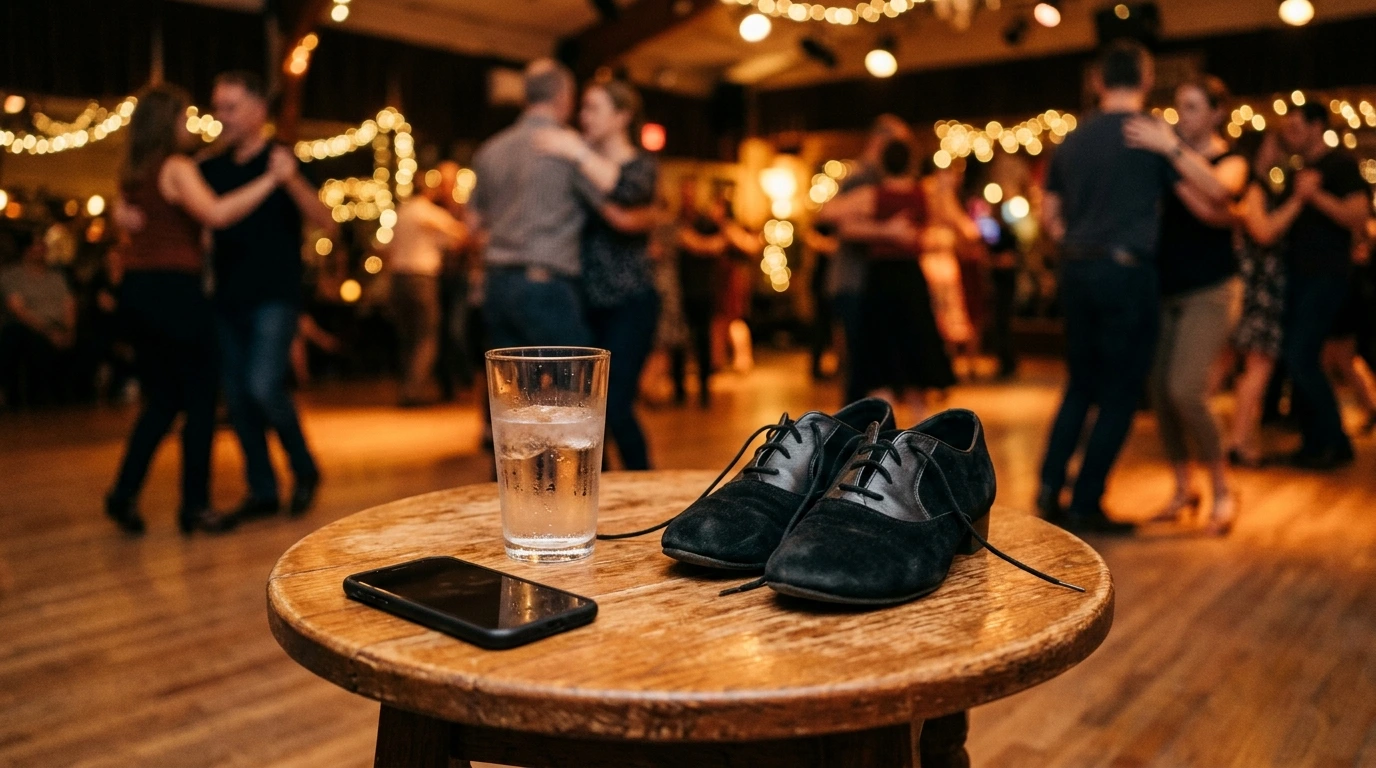
Berlin’s scene is less about technical perfection and more about connection. It’s arguably the most welcoming big city for a visiting dancer, with an international crowd that’s quick to ask strangers to dance. It’s a top destination for solo female dance travelers. The multi-floor parties at Soda Social Club in the Kulturbrauerei are a staple, reflecting the city’s casual, anything-goes energy. The U-Bahn runs all night on weekends, making it easy to get home after the last song.
Barcelona: Raw Energy Until Sunrise
Barcelona operates on its own schedule. Socials here don’t get going until after midnight and push through until dawn. The energy is raw and exhilarating, a mix of fast LA-style On1 and authentic Cuban Casino. The city’s essential venue is Mojito Club, which hosts dedicated salsa and bachata nights on Thursdays and Sundays. To survive, do as the locals do: take a late-afternoon siesta, eat dinner at 10 p.m., and arrive ready for a marathon.
What to pack for a dance trip
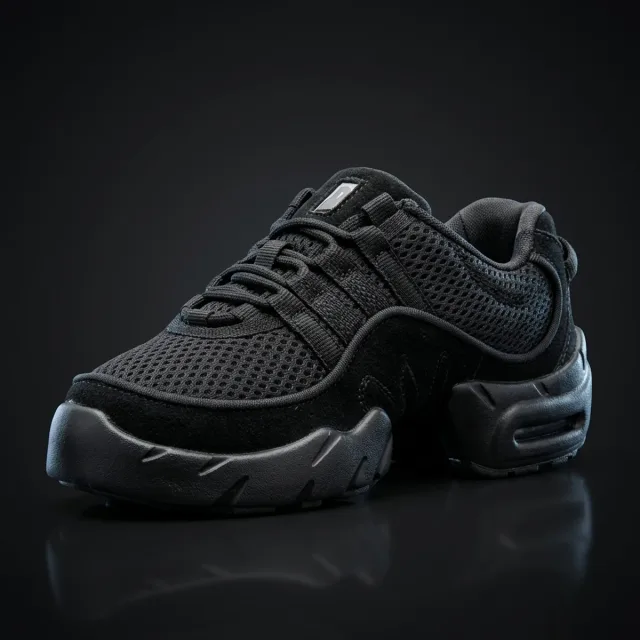


Affiliate link
Beyond the Capitals
Once you’ve experienced the major hubs, smaller but equally passionate scenes await. These cities offer a more intimate experience, where you’re likely to run into the same friendly faces if you stay for more than a night. They provide a different, often more personal, travel experience.
Zurich, Switzerland
Don’t let the city’s buttoned-up reputation fool you. Zurich’s salsa community is technically skilled and dances in a former banana ripening factory. Bananenreiferei hosts iconic parties on Mondays (CHF 10) and Fridays (CHF 15), with a fantastic floor and industrial-chic vibe.
Lisbon, Portugal
While Kizomba is king, Lisbon’s salsa scene is soulful and growing. The vibe is relaxed and musical. The best event is DanSunday at Jazzy Dance Studio, held on the first and third Sunday of each month. For about €8, you get access to multiple dance floors until late.
Warsaw, Poland
Warsaw is a rising star on the European salsa map, anchored by one of the continent’s best festivals, El Sol. The local scene is energetic and welcoming, with several schools and clubs offering regular socials. It’s a high-value destination with a strong and growing community of dancers.
Festivals Worth the Flight
These smaller scenes often host major events that pull dancers from all over the world. Planning a trip around a congress is the fastest way to level up your dancing and connect with the global community. You can find more options on the main salsa festival calendar.
Paris International Salsa Congress (PISC) 2026
PISC is one of Europe’s premier events, drawing top-tier artists and thousands of dancers to the La Palmeraie venue from April 7-12. The production value is immense, and the social floors are electric until the early hours. It’s a massive, high-energy congress for serious dancers.
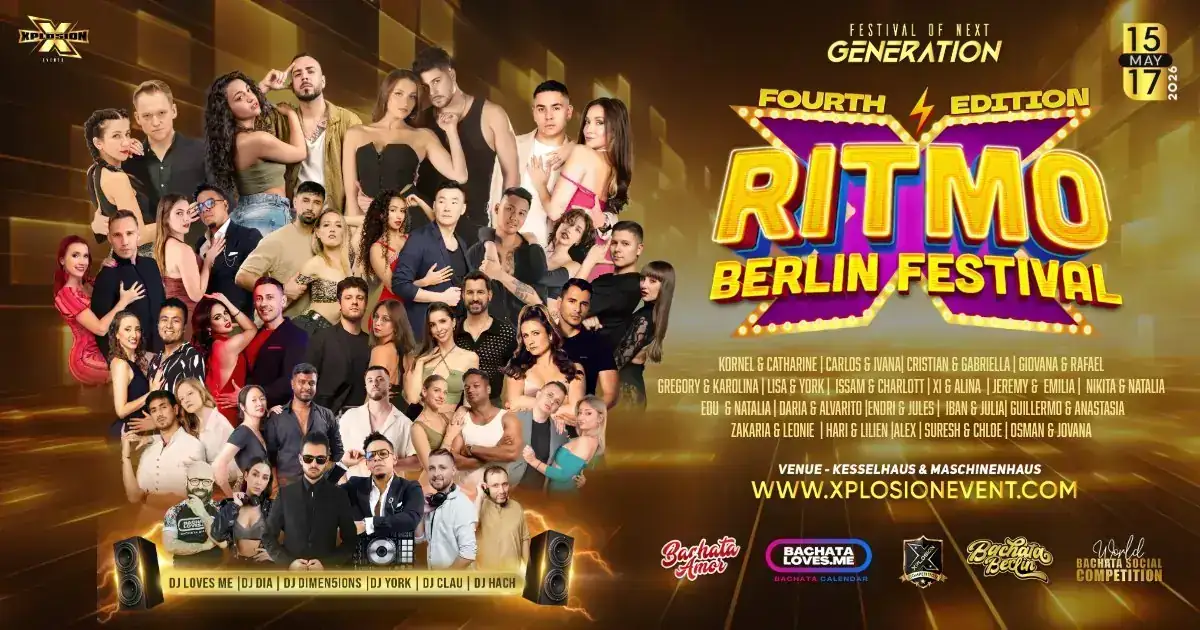
Xplosion RITMO BERLIN Festival 2026 - Festival of Next Generation
Held May 15-18 at the iconic Kesselhaus, this festival has a fresh, modern vibe focused on the next generation of artists. It offers a packed schedule of workshops and parties with a strong emphasis on social dancing and community, right in the heart of Berlin’s creative hub.

El Sol Festival FALL Edition 2026
From November 12-16, El Sol brings top artists to Warsaw for a massive all-in-one-venue event at the Sound Garden Hotel. With dedicated floors for On1/On2, Cuban, and Bachata, it’s known for professional organization and a massive international attendance.
How to Plan Your Night
Knowing the venues is only half the battle. European cities have their own social rhythms. In Spain, don’t even think about showing up before 11:30 p.m. In Germany and Switzerland, the party will be in full swing by 10:00 p.m. Always check the start time of the social, not just the pre-party class.
Most venues take cards, but carrying some cash is always wise, especially for coat checks or smaller venues in cities like Lisbon or Berlin. Dress codes are generally relaxed, smart casual is a safe bet. Dancers dress for comfort and movement, not to impress. Finally, use public transit. Major cities have excellent late-night options, especially on weekends, saving you from a costly taxi ride home.