Best Beginner-Friendly Salsa Destinations Worldwide

Where beginners can start dancing salsa without intimidation — ranked cities with welcoming scenes, good teaching, and forgiving floors.

By Colin · · 19 min read

Walking into your first salsa social is the moment most beginners quit. The classes felt manageable, the basic step started to make sense, and then you show up at a real party and watch couples moving with a casual competence that makes you feel invisible. The wrong destination at the wrong moment can end a dance journey before it starts.

This guide ranks cities and scenes worldwide that are unusually kind to beginners. The criteria are concrete: a culture of pre-social classes that welcome absolute beginners, floors that are not so crowded or fast that you cannot practice, communities that rotate dances with newcomers rather than sticking to their usual partners, and — critically — prices that let a beginner sample multiple venues without financial pressure. Some of the world’s best salsa cities do not make this list. Madrid, New York, Havana, and Cali are extraordinary once you have a foundation, but they are not where you start. If you are new to salsa entirely, begin with our salsa dancing for beginners primer before your first class.

Table of Contents


What Makes a City Beginner-Friendly

Not all salsa scenes welcome beginners equally, and the differences are often invisible from a travel blog. Four criteria actually matter.

Pre-social class culture. The best beginner cities run a structured beginner class immediately before the social, usually included in the entry price. This is the single most important signal — it means the venue and the community actively onboard newcomers rather than treating them as an afterthought. Berlin, Amsterdam, and London’s scenes run this format reliably.

Rotation etiquette. Some scenes dance almost entirely with partners and close friends; others actively rotate. Rotation-friendly scenes are better for beginners because locals will ask you to dance regardless of your level. Thai, Balinese, and German scenes are particularly good at this. Madrid and Cali are harder for beginners because dance partnerships there tend to be more established and the bar for asking is higher.

Floor density. Crowded floors punish beginners. A packed midnight social in Barcelona gives a beginner no room to execute a basic cross-body lead without bumping into someone. Cities with larger venues and smaller communities — Bali, Chiang Mai, Lisbon — give you physical space to practice without feeling like you are in anyone’s way.

Price accessibility. Beginners need to attend many socials in a short period to build competence. A city where a night out costs $50 is functionally less accessible than one where it costs $10. Bangkok, Chiang Mai, Bali, and Lisbon lead on value. Berlin is the best value among major European scenes.


Berlin, Germany

Berlin is the single most beginner-friendly major salsa city in the world. The scene is large enough that you always find partners at your level, international enough that you will not feel self-conscious about your accent or technique, and affordable enough to attend multiple nights per week without financial strain. More importantly, the culture of Berlin’s dance community is explicitly welcoming — asking strangers to dance is the default, not the exception.

Why it works for beginners: Most major weekly socials run a pre-social class that covers the essentials. Door prices are 5 to 10 euros (typically including the class), well below what you pay in London, Paris, or Zurich. Venues are spread across Mitte, Kreuzberg, and Prenzlauer Berg, giving you multiple options without any one feeling crowded. The scene’s international character — Berlin is one of the most expat-heavy cities in Europe — means there is no expectation you speak German, and beginners from all backgrounds turn up at every social.

Best beginner nights: Tuesday and Wednesday. These classic salsa nights attract more experienced dancers on other nights of the week and tend to be less crowded than weekend socials, giving beginners more floor space and more patient partners. Arriving for the pre-social class (usually starts at 7:30 or 8 PM) puts you immediately into rotation with other beginners, which is the ideal first-social setup.

What to expect: A mix of LA-style On1 and Cuban salsa, with bachata sets at most events. Locals are friendly, direct (in the German way), and happy to dance with anyone who is trying. Do not be discouraged if your first dances feel awkward — everyone’s first socials feel that way, and Berliners will not hold it against you. For a deeper dive into specific venues, read our complete guide to salsa dancing in Berlin.

Find all salsa events in Berlin.


Amsterdam, Netherlands

Amsterdam’s salsa scene is smaller than Berlin’s but arguably even warmer to beginners. The community is tight-knit — regulars recognize newcomers and actively introduce themselves, ask where you are from, and make an effort to dance with you. For a solo beginner who is nervous about walking into a room of strangers, Amsterdam is one of the most forgiving first socials you can attend.

Why it works for beginners: Dutch dance culture is built on workshop attendance, which means almost everyone on the floor has recent beginner memories and is patient with current beginners. The scene is concentrated around a handful of reliable weekly socials, so you can attend the same nights repeatedly and build familiarity with the regulars fast. Amsterdam’s geographic compactness means the entire scene is within a 15-minute bike or tram ride, removing the transport intimidation that can deter beginners elsewhere.

Best beginner nights: Thursday and Friday socials, which include the pre-social class format and attract a mix of experience levels. Saturday events are busier and can feel more intimidating for a first-timer; save those for week three.

What to expect: Mostly LA-style On1 with bachata mixed in. The overall level is solid — Netherlands has a strong workshop culture — but the social expectation is that everyone dances with everyone, which protects beginners from being isolated on the sidelines.

Practical tip: The Dutch speak excellent English, and most class instruction is bilingual or English-first. Bring a bike lock — Dutch dancers often arrive by bicycle and park outside venues.

Find all salsa events in Amsterdam.


Lisbon, Portugal

Lisbon combines everything a beginner needs: mild weather, affordable prices, a slower pace than Madrid or Barcelona, and a genuinely welcoming community. The scene is best known for kizomba but the salsa community is strong in its own right, and crucially, the overall energy of Lisbon socials is less intense than the Spanish cities that draw most first-time Iberian visitors.

Why it works for beginners: Portuguese culture is warm and unhurried. Dance nights start around 10 PM (late by Berlin standards, early by Madrid standards) and build gradually, giving beginners time to settle in before the floor gets busy. Entry fees are among the lowest in Western Europe — typically 5 to 10 euros. The community is small enough that regulars quickly learn your name, but large enough that you always find partners at a matching level.

Best beginner nights: Weekly socials in the Bairro Alto and Santos areas. Many events combine salsa and kizomba, which gives beginners exposure to multiple dances in a single night. The mixed format also means that if salsa feels overwhelming, you can sit out salsa sets and focus on kizomba basics, where many Lisbon dancers are at world-class level.

What to expect: A mix of Cuban and LA-style salsa, with significant crossover from the kizomba community — expect close connection and musicality over flashy patterns. Many dancers speak English; Portuguese or Spanish helps but is not required.

Practical tip: Lisbon is also one of the most affordable Western European capitals for visitors. Airbnb and hostel options in Bairro Alto put you within walking distance of most venues, eliminating transport costs entirely.

Find all salsa events in Lisbon.


Bali, Indonesia

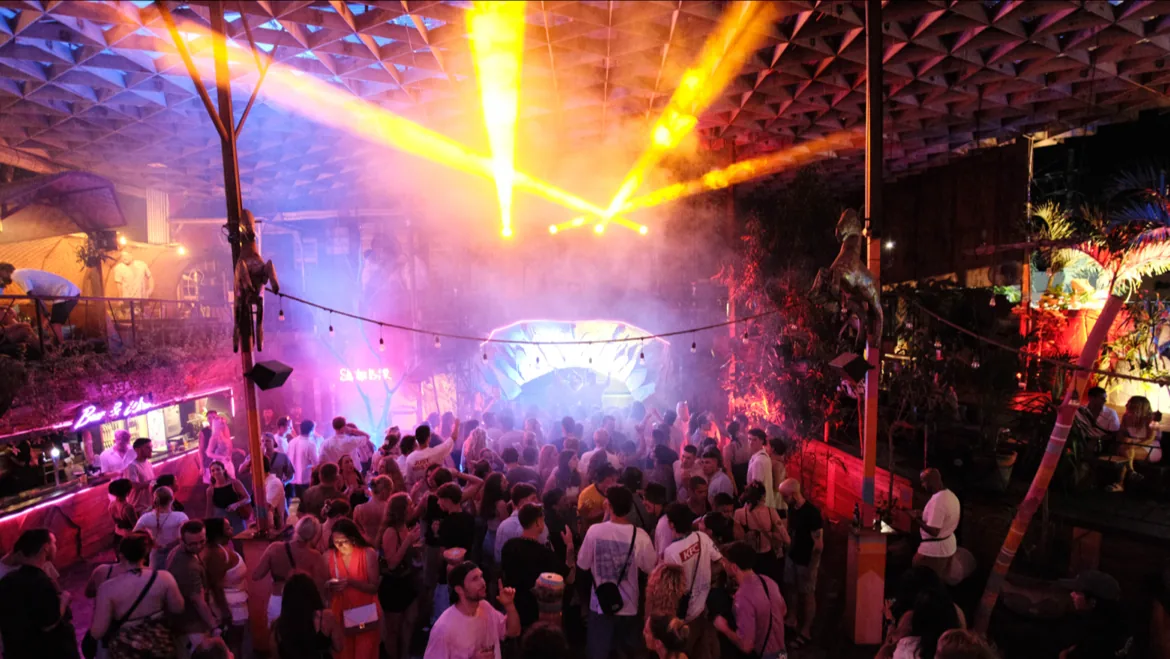
Bali is the best dance destination in Asia for a beginner-plus-travel trip. The salsa and bachata scenes here are almost entirely international, built around an expat and digital-nomad community that turns over constantly. That transience creates an unusual phenomenon: the social scene is welcoming to newcomers by necessity, because every week brings new dancers who need to be integrated.

Why it works for beginners: Scene density is the key advantage. Bali has over 25 unique weekly social events in Canggu and Ubud, meaning you can attend a different social every night of the week without repetition. That volume lets a beginner rack up floor time fast. Prices are low (often free with a drink minimum) and the tropical lifestyle — dance at 10 PM, beach at noon — makes it easy to build dance into a vacation rhythm. The community is self-consciously welcoming because many regulars are themselves former beginners who started their dance journey in Bali.

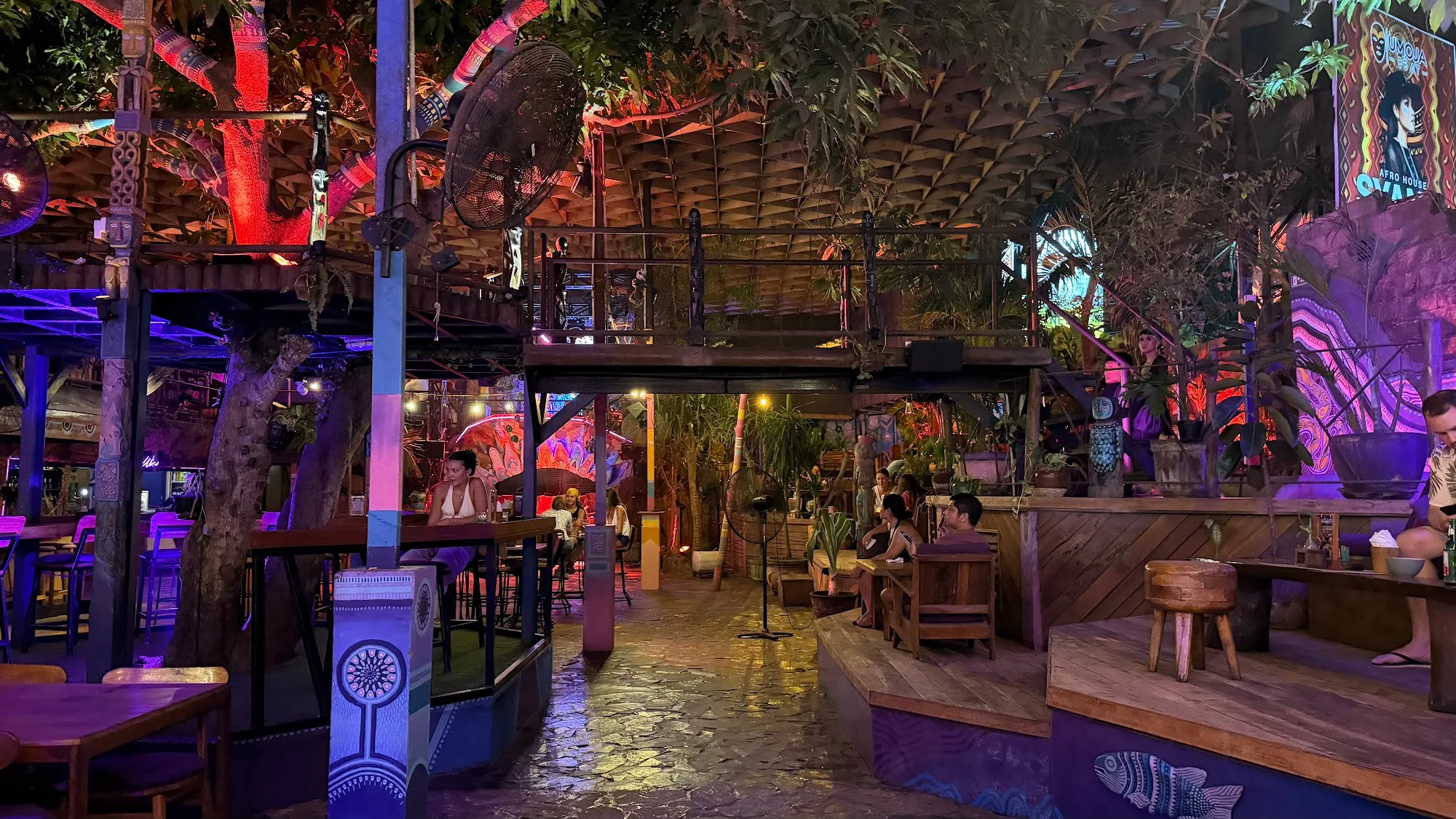
Best beginner venues: Hatch Bar Live (multi-night, reliable crowd), Pilleyar Bar Social (multi-style, welcoming vibe), Amavi Monday Social (relaxed, beginner-friendly), Cafe Dunia Social (Friday night staple), Herb Library Social (Tuesday, smaller and less intimidating). Workshops with visiting international instructors happen multiple times a month and are excellent value.

What to expect: An SBK (salsa-bachata-kizomba) mix at most events, which works well for beginners who are still exploring which style fits them. The scene skews younger and more experimental than Western European cities, with a distinctly relaxed vibe.

Practical tip: Rent a scooter if you are comfortable — most Bali venues do not have car parking, and Grab (the local ride-share) can be slow and expensive at peak dance times.

Find all salsa events in Bali.


Bangkok, Thailand

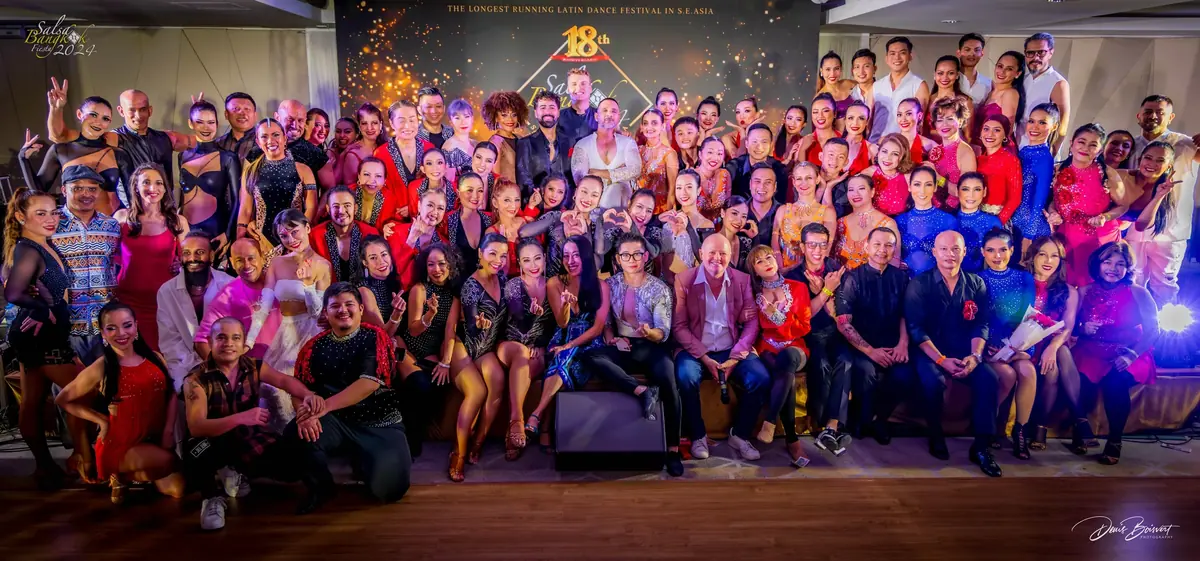
Bangkok’s salsa scene has become one of the most welcoming in Asia to beginners, particularly over the past three years as the community has grown and matured. The combination of low prices, warm hospitality, and a large expat crowd used to integrating newcomers creates an unusually forgiving environment.

Why it works for beginners: Door prices are 200 to 400 baht (roughly $6 to $12 USD), dramatically lower than Singapore or Tokyo, which lets beginners try multiple venues without financial pressure. Most major socials run pre-social classes. The expat-heavy community means English is universal, and the hospitality culture of Thailand extends to the dance floor — Thai dancers are patient, encouraging, and genuinely happy to see new faces.

Best beginner nights: Tuesday Latino En Fuego at S31 Sukhumvit and Latin Soul at Assembly Point Thonglor. Both run pre-social classes and attract a mixed-level crowd that welcomes beginners. Sunday Bachata Social Bangkok is a good entry if you are exploring bachata alongside salsa. Saint of Salt hosts beginner-accessible monthly events.

What to expect: LA-style On1 dominates, with strong bachata integration in the SBK format. Expect a mix of Thai locals, long-term expats, and digital nomads. The scene is friendly, informal, and encouraging.

Practical tip: Bangkok humidity is intense year-round. Pack at least two changes of clothes per night, and plan BTS Skytrain routes to avoid traffic snarls. The Thailand Latin Extravaganza 2027 in January is a good anchor for a beginner-friendly festival experience with workshop access.

Find all salsa events in Bangkok.


Chiang Mai, Thailand

Chiang Mai is the quiet alternative to Bangkok for beginners. The scene is smaller — four to five regular weekly events — but that intimacy is the point. In a smaller community, every regular knows every other regular, which means newcomers are absorbed immediately rather than lost in a crowd. The city’s digital-nomad-heavy population skews toward dancers who started recently and are still learning themselves.

Why it works for beginners: Low cost of living, patient community, no overwhelming choice paralysis. PuraVida Entertainment runs reliable weekly salsa and bachata socials that explicitly welcome beginners. Outdoor events at One Nimman and Huay Kaew Arboretum add variety without the intimidation of a dedicated dance club. The city is walkable and bikeable; you do not need to navigate public transport in a foreign language.

Best beginner venues: PuraVida Entertainment hosts the anchor weekly socials and combines class-plus-social format. Street Latin Calling at One Nimman and Latin in the Park at Huay Kaew Arboretum are more casual events ideal for a beginner who wants to dance without the intensity of a dedicated club environment.

What to expect: Mixed SBK format at most events. Small, friendly crowds. The Latin Nature Xclusive 2026 festival in November is a proper destination event if you want to combine learning with travel.

Practical tip: Chiang Mai is a favorite for digital nomads, which means the dance community has a high proportion of people who dance as part of a broader lifestyle — fitness, wellness, community — rather than as a dedicated hobby. That context makes it easier for beginners to show up and not feel like the odd one out.

Find all salsa events in Chiang Mai.


Singapore

Singapore earns a spot despite its higher cost and more formal culture, because the teaching and studio infrastructure is exceptional. If you are serious about building a solid foundation rather than just socializing, Singapore’s dance schools are among the best in Asia, and the scene is structured enough that beginners have clear pathways.

Why it works for beginners: The scene is compact and well-organized. En Motion Dance School and similar studios run structured progression courses, which is ideal for beginners who want to build technique before jumping into socials. The community is internationalized and English-first, so language is never a barrier. Transportation is excellent — the MRT gets you anywhere before midnight.

Best beginner nights: IxDE Social Night (Wednesday), Bachata Wednesday Singapore, Bachata Fridays at En Motion Dance School. All include pre-social classes or structured progression formats. Fiesta Latina and Latin Party on weekends are busier but still welcoming to beginners who have a few weeks of classes behind them.

What to expect: Higher skill level than Bangkok or Bali on average. Door prices are $15 to $30 USD. The culture is more formal — dress codes are enforced at some venues, and social etiquette leans toward the traditional Asian-professional mode.

Practical tip: Singapore is expensive. If you are on a budget, stack it with a cheaper Southeast Asian city — Bangkok or Kuala Lumpur makes an excellent counterweight for a two-week trip.

Find all salsa events in Singapore.


Honorable Mentions

Cologne, Germany

Cologne has a strong structured scene with good beginner progression, and the Cologne Salsa Congress runs accessible beginner workshops. The city is a practical alternative if Berlin feels too big or if you are based closer to the Rhine region.

Copenhagen, Denmark

Copenhagen’s dance community is organized, inclusive, and specifically invested in quality instruction. Weekly socials include pre-social classes, and the scene’s small size makes integration fast. The Copenhagen Bachata Congress is beginner-accessible for dancers building a Scandinavian trip.

Warsaw and Krakow, Poland

Poland’s scene is growing fast and notably welcoming to beginners. Prices are a fraction of Western Europe — door fees often under 20 zloty ($5 USD) — which is ideal for beginners sampling many venues. The Bailame Cracow Bachata Festival is a good beginner festival anchor.

Vienna, Austria

Vienna’s scene emphasizes technique and musicality — good for beginners who want to build a foundation rather than just party. The Vienna Bachata Congress includes strong beginner programming. The city connects easily to Prague and Budapest for multi-city beginner trips.

Gothenburg, Sweden

A small but warm scene, significantly smaller than Stockholm, which makes it more accessible for nervous first-timers. The Sweden Bachata Festival is one of the most respected beginner-inclusive events in Northern Europe.

Mexico City

Mexico City has a growing scene with bilingual instruction, affordable prices, and good cultural immersion. The scene is larger than most honorable mentions here — beginners should target midweek socials in Condesa and Roma rather than the busier weekend events.


Cities to Avoid as a Beginner

Some of the world’s most famous salsa cities are not beginner-friendly, and going to them too early can discourage you from continuing entirely.

Havana, Cuba. Sacred ground for salsa, but the social expectation is that everyone on the floor dances at a competent level. Cubans dance fast, close, and with a musicality beginners cannot match. Go once you have six months of solid classes behind you and the experience will change your life. Go as a complete beginner and you will feel invisible.

Cali, Colombia. The world capital of salsa caleña, with eight-year-olds who out-dance most Western intermediates. Beginner tourism exists but is packaged into dance schools with private lessons rather than integrated into the social scene. Cali is the right place for an intensive learning trip (one to three weeks of private instruction) but not for a first social.

Madrid, Spain. The densest bachata scene in the world and a powerhouse salsa city, but the volume and speed of the floor punishes beginners. Venue schedules start at midnight, which means you are dancing after the experienced crowd has arrived. Madrid is where you go at year two of dancing, not year zero.

New York City. The home of On2 mambo and some of the most technically skilled social dancers alive. The legendary weekly socials assume competence in On2 timing, which takes most dancers a year to internalize. NYC is the ultimate destination for intermediate-plus dancers; for beginners, the gap between your level and the floor’s average level is too demotivating.

Rio de Janeiro. Excellent for zouk (which is a different dance) and for authentic Brazilian samba culture, but the salsa scene is a secondary interest that assumes competence. Go for zouk, not salsa, if you are new.


How to Prepare for Your First Social

Take four to six weeks of classes first. One to two classes per week. At that point you will know the basic step, at least one turn, and how to maintain timing with the music. That is enough to be functional on any beginner-friendly social floor on this list. For a deeper sense of what to expect, read our salsa dancing for beginners guide.

Arrive for the pre-social class. Most cities in this guide run a pre-social class starting 60 to 90 minutes before the main social. Always attend. The class teaches you a specific move, integrates you with other beginners, and gives you partners you have already danced with before the intimidating social starts.

Ask for dances early. The social expectation in all cities on this list is that anyone can ask anyone to dance. Ask in the first 30 minutes, while the floor is still filling up and everyone is warm from the class. Waiting builds anxiety and shrinks the pool of available partners.

Know your basic step with music. Practice at home to real salsa music, not just counted-out drills. The single biggest separator between beginners who integrate smoothly and beginners who struggle is whether they can hear the clave and hold the timing under social pressure.

Wear the right shoes. Suede-soled dance shoes make an enormous difference on any social floor. Our guide to dance shoes covers what to look for. Sneakers on a polished wood floor will either stick (making you drag partners) or slide (destabilizing your basic step).

Budget for multiple socials. One social per week for a month teaches you much more than four socials in one week followed by silence. Use the accessible cities on this list to build a weekly rhythm.

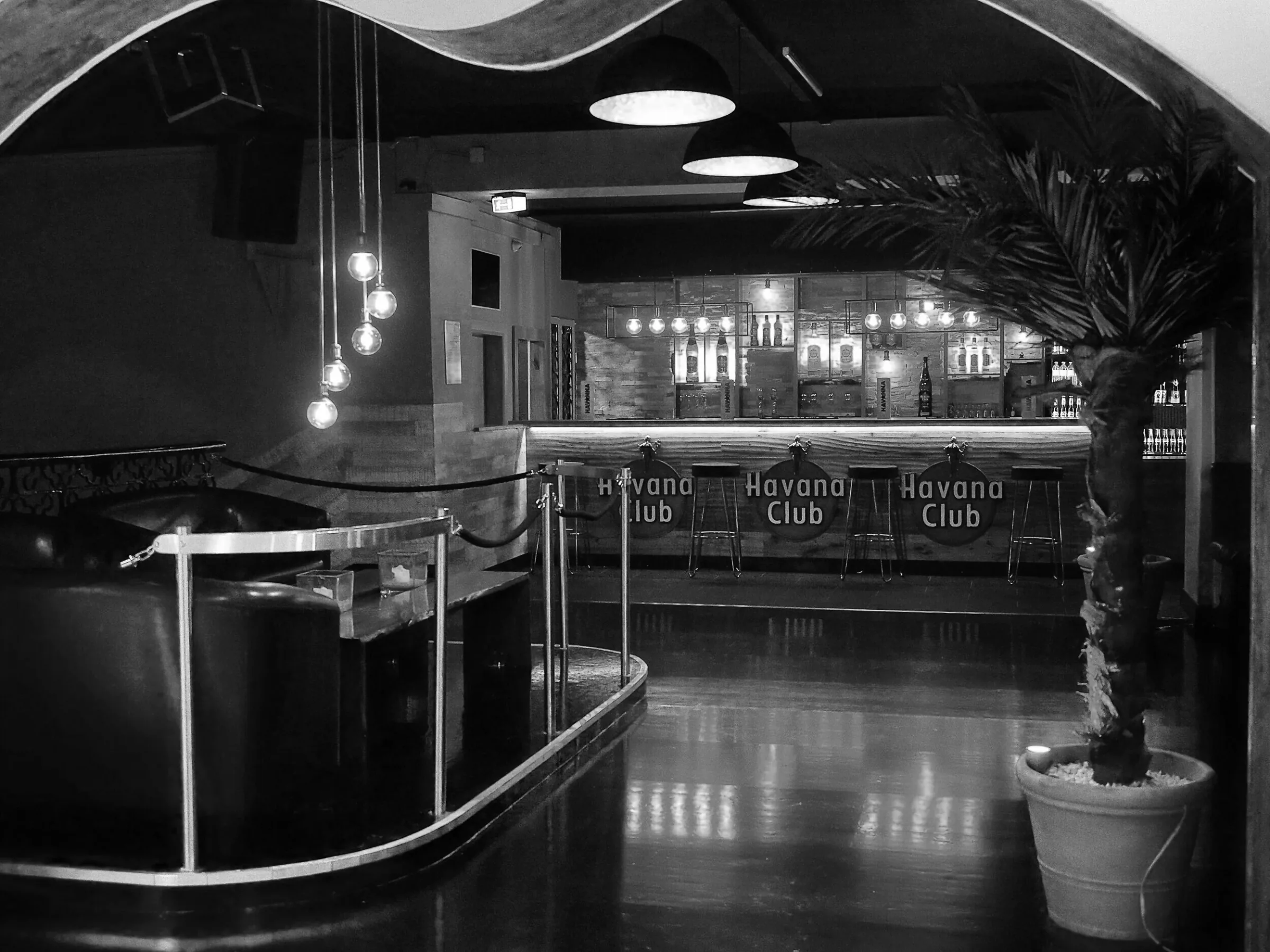
Travel with a specific trip in mind. “A dance trip” is vague. “Five days in Berlin attending the Tuesday Salsa Havanna social, the Wednesday Cuban night, and the weekend congress social” is a plan. Specificity turns a daunting trip into a manageable sequence of evenings.

Do not compare yourself to regulars. Every competent dancer you see on the floor was once an awkward beginner. The gap you perceive is partly the result of you only seeing their current state, not the year of effort that got them there. Your dancing will look the same in twelve months if you keep showing up.


FAQ

What is the most beginner-friendly salsa city in the world?

Berlin. The combination of an international crowd, reasonable prices, nightly pre-social classes, and a culture that welcomes newcomers makes it the most forgiving major scene for a first-time dancer. Amsterdam and Lisbon tie for second — smaller, warmer communities with high teaching standards.

Should beginners travel to Cuba or Colombia to learn salsa?

Not as your first exposure. Havana and Cali are the spiritual home of salsa, but their social scenes assume a level of competence. Locals dance fast, close, and with a musicality that is intimidating for absolute beginners. Get three to six months of classes first — then a trip to Cuba or Colombia becomes the experience of a lifetime rather than a humbling struggle.

How long should I take classes before my first salsa social?

Four to six weeks of regular classes (one to two per week) is enough to feel functional on a beginner-friendly social floor. At that point you know the basic step, you can lead or follow a cross-body lead, and you can hold time with the music. Most of the cities in this guide have venues that explicitly welcome this level of dancer.

Are there good beginner salsa destinations outside Europe and North America?

Yes. Bali, Bangkok, and Chiang Mai are all unusually welcoming to beginners, partly because their scenes are small and international, and partly because the relaxed lifestyle attitude extends to the dance floor. Tokyo and Singapore are friendly but less forgiving — locals dance at a high level and the social expectations are more formal. Our guide to the best salsa cities in Asia has more context.

What should I avoid as a beginner at a salsa social?

Avoid high-intensity congress socials (not the workshops, the late-night parties), avoid dedicated On2 rooms before you know On1 comfortably, and avoid events that advertise themselves as “marathon-format” — those assume serious endurance. Stick to weekly socials at cities on this list for your first six months.


Find Beginner-Friendly Socials

Browse all salsa events worldwide to find beginner-friendly socials near you. Our complete festival calendar lists every verified event including beginner-accessible workshops. Looking for a specific scene? Start with the best cities for salsa in Europe if you are planning a European trip, or the best salsa cities in Asia if you are heading east. Also check our guide on how to find social dance events while traveling — the practical advice there applies doubly if you are a beginner sampling unfamiliar scenes.

Share this guide:
Colin, Travel & City Guide Writer at Where to dance Salsa

Colin

Travel & City Guide Writer

Travel writer and salsa dancer who has researched scenes across Europe, Latin America, and North America. Colin's guides are built on firsthand visits and local contacts.

Find Events

Events are updated weekly — browse what's on now.