At a Glance
The first time I danced semba, I thought I’d walked into the wrong workshop. The teacher, a man from Luanda, put on a track that sounded like kizomba’s mischievous cousin and started to play. He said something I never forgot: “If you do not know semba, you do not know kizomba. You only know the shadow.”
The Family Tree: From Angola to Paris
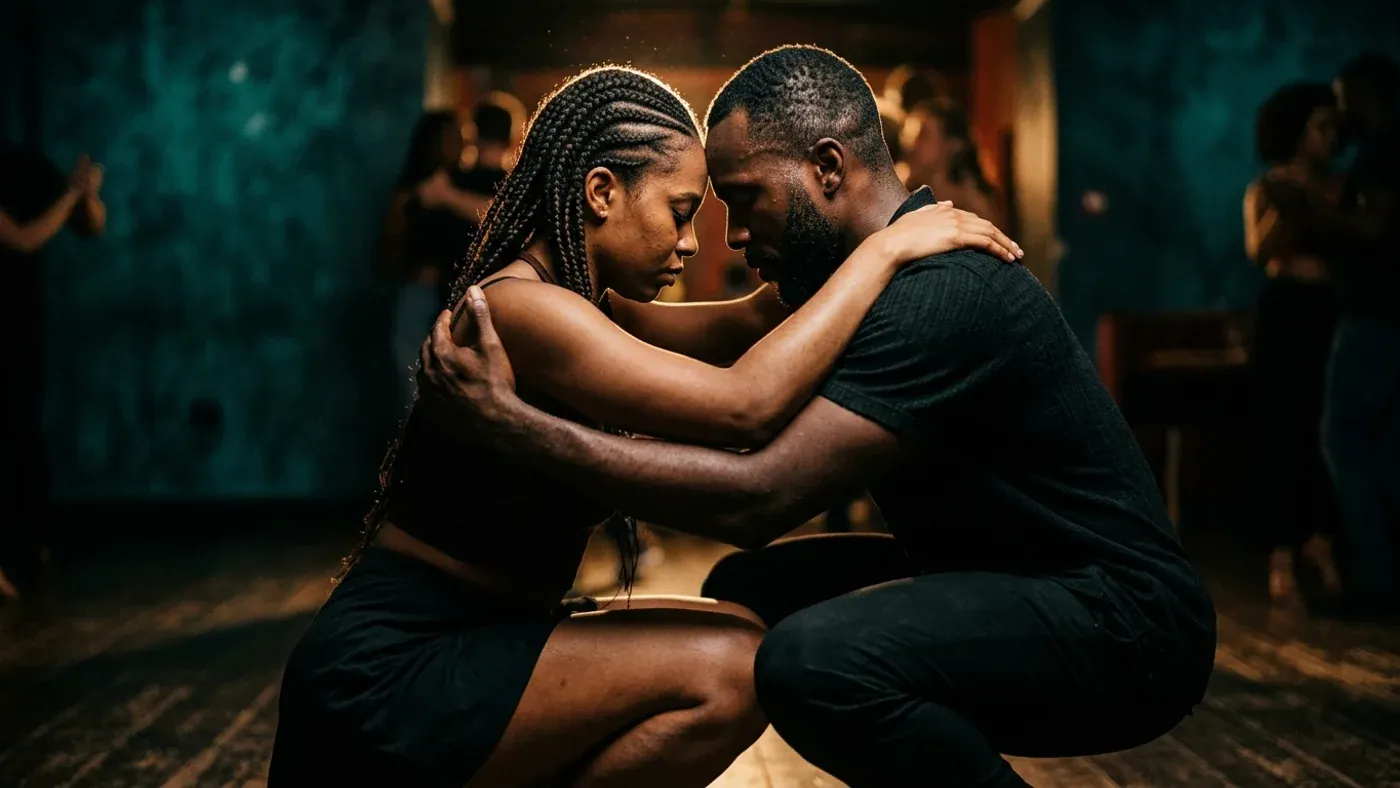
Understanding the lineage changes how you hear the music. Semba is the Angolan parent dance, joyful, fast, and conversational. [7] It’s a living cultural tradition, danced at parties for generations. Kizomba is the child, born in Luanda in the 80s when Caribbean zouk rhythms met Angolan sounds. [18, 24] The dance slowed down, the footwork simplified, and the feeling became more meditative.
Urban kiz is the diaspora grandchild, developed in Paris in the 2010s. [3, 4] It fuses kizomba’s connection with hip-hop and electronic music influences, creating a sharper, more linear style. [5] Three distinct dances, born from one another, each with its own soul. The tension between them is a conversation about culture, evolution, and respect.
How Each Dance Feels on the Floor
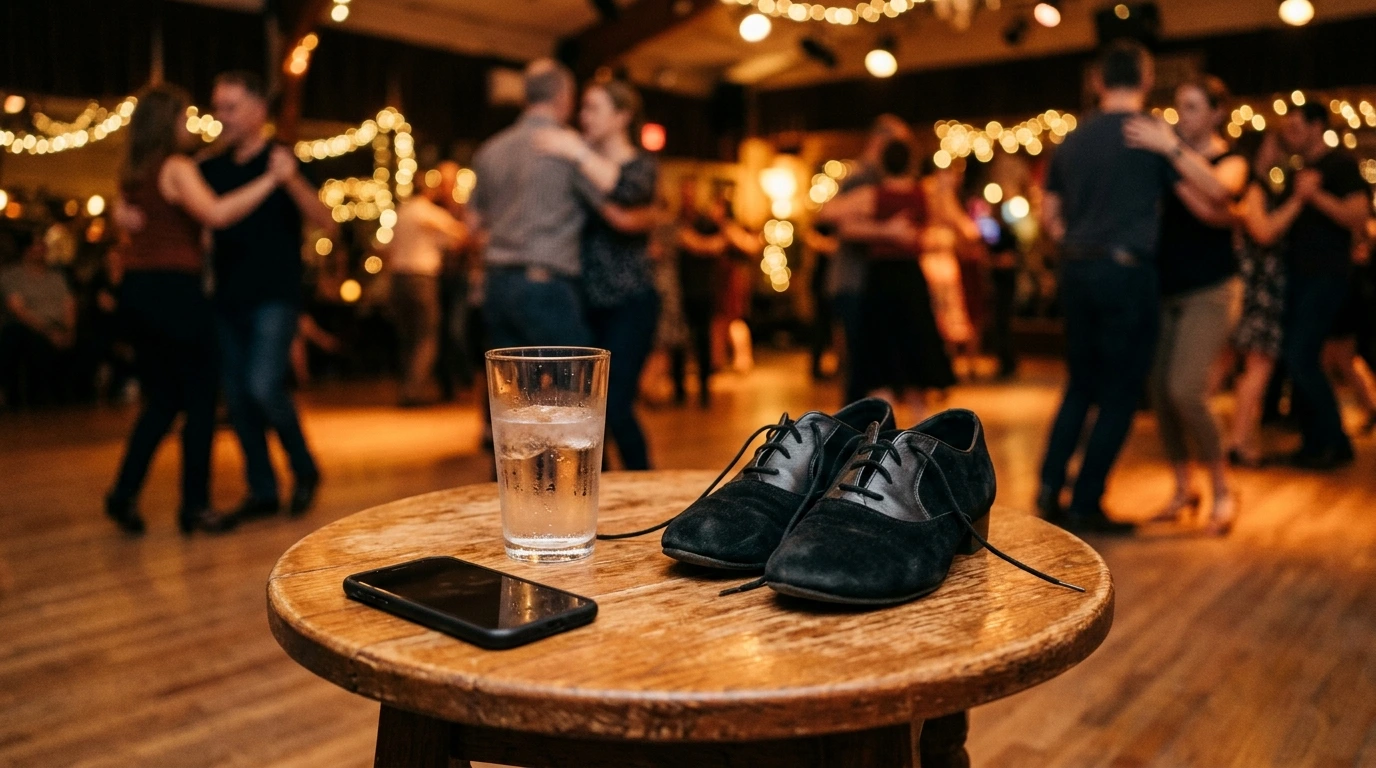
Beyond history, the dances live in the body. Semba has a lively bounce, a pulse through the knees that makes its quick footwork feel grounded, not rushed. Kizomba is smooth and introspective, a walking meditation where connection happens through the torso. Urban kiz is geometric and sharp, defined by straight lines, syncopated footwork, and abrupt pauses that cut through the music.
This is why trying to dance one style to another’s music feels awkward. The music itself gives the instructions. A semba track asks for playfulness and improvisation. A kizomba track asks for flow and patience. An urban kiz track asks for precision and attitude. Listening is the first step to fluency.
| Style | Feel | Music | Key Feature |
|---|---|---|---|
| Semba | Playful, Conversational | Acoustic, Upbeat | Joyful bounce & partner play |
| Kizomba | Meditative, Grounded | Smooth, Romantic | Constant chest connection |
| Urban Kiz | Sharp, Geometric | Electronic, Hip-Hop | Linear moves & syncopated stops |
Why the Names Matter
This isn’t just about dance-nerd semantics; it’s about cultural respect. Many Angolan and Cape Verdean masters, like Kwenda Lima and Petchu, have consistently stated that urban kiz is not kizomba. [22, 38] The concern isn’t that urban kiz shouldn’t exist, but that marketing it as “kizomba” erases the cultural identity of the Angolan original. It confuses newcomers and flattens a rich history into a single, generic label.
As a dancer, one of the most respectful things you can do is use the correct names. Call semba, semba. Call kizomba, kizomba. Call urban kiz, urban kiz. This small act acknowledges the different origins, communities, and artistic intentions behind each dance. It shows you’re listening not just to the music, but to the people it comes from.
Where to Experience the Styles
Different cities champion different branches of the family. To truly understand the roots, you have to go to the source or its strongest diaspora communities. Lisbon is a powerhouse for traditional kizomba and semba, while Paris remains the undisputed capital of urban kiz.
Lisbon, Portugal
Lisbon is the best place in Europe to feel the direct connection to Angola. [14] Venues like B.Leza pulse with authentic kizomba and semba, and the large PALOP community ensures the dance stays grounded in its cultural roots. [19]
Paris, France
Paris is where urban kiz was born and where it continues to innovate. [31] The scene is contemporary, technical, and full of high-level dancers. If you want to see the cutting edge of this style, the French capital is essential.



Festivals: Your Weekend Immersion
Of course, the quickest way to experience all three dances in one place is a major festival. Organizers often program different rooms for different styles, allowing you to dive deep into traditional kizomba, then cross the hall for a high-energy urban kiz set. It’s a living laboratory for understanding the differences.
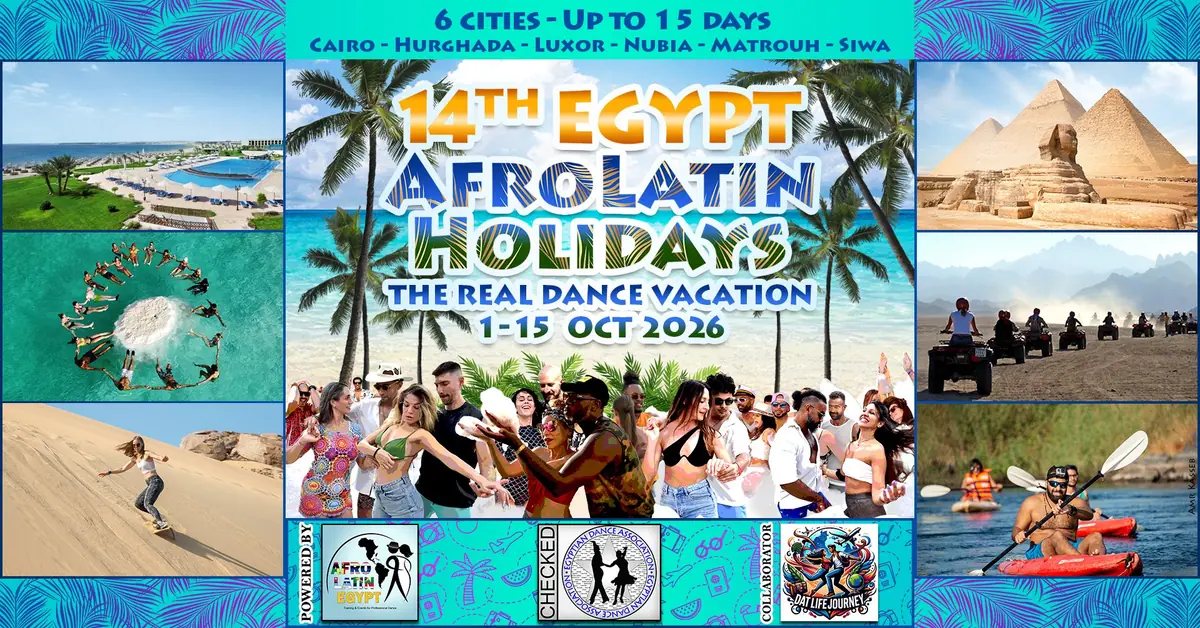
- OCT114th Egypt AfroLatin Holidays - Oct 2026BachataKizombaSalsaZouk
- OCT3Afro-Kizz Me Festival 2026Kizomba
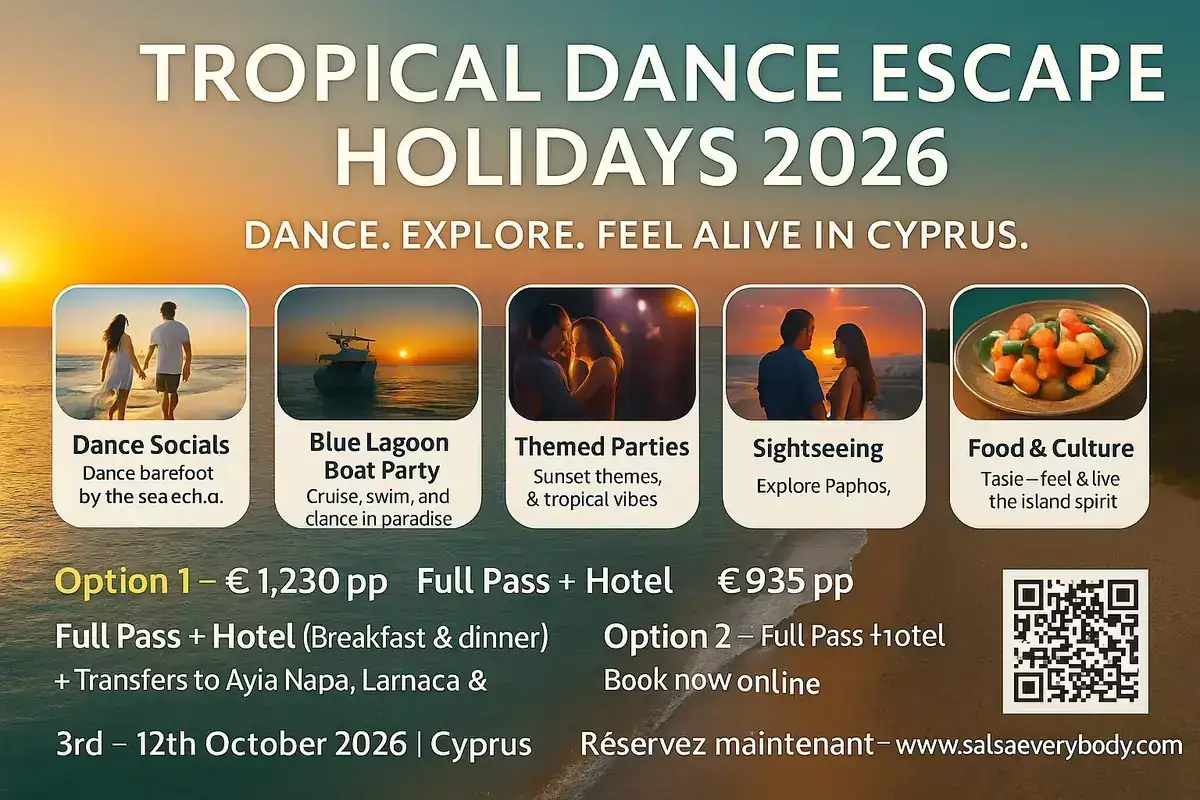
- OCT3Tropical Dance Escape Holidays – Cyprus (9th Edition)BachataKizombaSalsa
- OCT7
- OCT8



Learning to move between these styles is one of the most rewarding journeys in dance. It teaches you to listen more deeply and respond more authentically. You’re not just learning steps; you’re learning to participate in a global, evolving conversation. For a deeper dive, our guide to kizomba for beginners is the perfect next step.
Browse all kizomba events