Best Dance Bag for Social Dancers: A Real Dancer's Guide

The best dance bags for social dancers in 2026 — what to pack, what to look for, and honest picks across price points from someone who lives out of one.

By Laura · · 16 min read

My first dance bag was a supermarket tote. The handle snapped three weeks in, my suede-soled shoes sat in a puddle of gym-bag dampness, and by the end of every night I was digging past a banana peel to find my deodorant. A proper dance bag changed my social dance life more than almost any other piece of gear — more than shoes, more than outfits, genuinely.

This guide is what I would tell my past self before that tote disaster. I am going to walk you through what actually matters in a dance bag, what to pack in it, and then give you category-level picks at different price points. I am not going to invent specific brand-and-model combinations I have not seen other dancers use — the recommendations here are built from what I own, what my dance friends across Berlin, Madrid, and London carry, and what consistently shows up in the cloakroom at bachata and salsa festivals.

Contents


Why a proper dance bag matters

A dance bag is not a fashion statement. It is a tool that solves specific, recurring problems in a social dancer’s life:

Your shoes need protection. Suede soles are fragile. If you just toss your dance shoes into a gym bag with a water bottle and a damp towel, the sole gets wet, the material compresses, and the glide is gone. A bag with a separate ventilated shoe compartment, or room for a dedicated shoe bag, is the single most important feature. See our best salsa dancing shoes guide and best bachata dance shoes 2026 guide for why protecting the sole matters so much.

Wet and dry need to separate. You arrive fresh, you dance for three hours, you leave soaked. Your next-day self does not want a damp shirt pressed against her packed lunch. A bag with a separate wet compartment, or at least room for a small drawstring bag to keep worn clothes away from fresh ones, pays for itself within a week.

Essentials need to be reachable. Fumbling for your lipstick at the venue door while holding the door open with your foot is not elegant. Small organiser pockets for keys, phone, cards, gum, deodorant, a brush — anything you use mid-social — make a real difference.

It has to travel well. If you ever want to attend a dance festival, your bag needs to function as both a daily commuter and a weekend travel bag. Carry-on-compatible dimensions, comfortable shoulder straps, and some structural integrity so it does not collapse on you when stuffed all matter.

Once you have a bag that handles these four things, the rest is personal taste.


What to pack in your dance bag

Here is my actual packing list, honed over years of socials and festivals. Adjust for your body and your style, but this covers the essentials.

The essentials (every social, every time)

  • Dance shoes — in a dedicated shoe bag to protect the sole. Never loose in the main compartment.
  • A small towel or bandana — for wiping your face, hands, or the back of your neck. A dedicated small dance towel is game-changing.
  • Deodorant — a travel-size roll-on or stick. Reapply at the venue.
  • Water bottle — 500 to 750 ml. Hydration matters more than you think by hour two.
  • Gum or breath mints — you will be close to strangers’ faces for hours.
  • Phone and keys — in a dedicated pocket, not rattling around.

The upgrades (makes every night better)

  • A full change of top — you will thank yourself at hour two when your first shirt is soaked.
  • A small zip pouch for repairs — plasters, ibuprofen, safety pins, hair ties, a suede brush, a tiny sewing kit. Takes up almost no space. Saves socials.
  • Hair ties, a small comb, or dry shampoo — for followers with long hair especially.
  • A cloth face or makeup remover wipe — for a quick refresh.
  • Flip-flops or slides — for when your feet need a break between dances or when you walk to and from the venue in the rain.

For festivals and full-day workshops

  • Extra change of clothes — a full second outfit for the evening party.
  • Wet bag or plastic bag — for worn, sweaty clothes.
  • Portable phone charger — a social that goes until 4am drains phones fast.
  • Snacks — protein bars, nuts, a piece of fruit. Dance food is expensive and often not available.
  • Small first aid kit — blister plasters especially.
  • A notebook and pen — for workshop notes. You think you will remember the combo. You will not.

For congresses and multi-day trips

  • Two to three pairs of dance shoes — rotation lets each pair fully dry overnight.
  • Laundry bag — separate clean from dirty.
  • Earplugs — both for sleeping in shared accommodation and for protecting your hearing at loud venues.
  • Documentation — ticket, ID, hotel address on paper in case your phone dies.

What to look for when buying a dance bag

Here is my checklist. Use it like a specification document when you are comparing bags on Amazon or in a store.

1. Separate shoe compartment

Non-negotiable for any dedicated dance bag. A ventilated shoe compartment at the bottom of the bag keeps your suede soles off the main compartment floor and prevents smells from migrating. Look for mesh or grommet ventilation, and enough space for your largest dance shoe plus a small shoe bag wrapped around it.

If the bag does not have a shoe compartment, make sure there is room for a proper shoe bag inside. Plastic bags are not a substitute — they trap moisture and destroy suede over time.

2. Wet/dry separation

A zippered inner pocket big enough for a sweaty top and bottom pair, or at least room for a separate wet bag, is what stops your bag from smelling like a locker by week two. Some dance-specific bags include a purpose-built wet compartment. Otherwise, buy a 4 to 6 dollar dry bag and use it as the wet bag inside your regular bag.

3. Comfortable straps and weight distribution

For backpacks: padded shoulder straps, padded back panel, and a sternum strap or load lifter if it will ever exceed 8 kg loaded. For duffels: a cross-body strap with a decent shoulder pad. For totes: avoid them for anything other than short taxi rides — they wreck your shoulder for longer commutes.

4. Materials and durability

Water-resistant or water-repellent outer fabric (ripstop nylon, coated polyester, waxed canvas) keeps rain out. Reinforced bottoms — structured cardboard base or rigid plastic panel — keep the bag standing up on its own and prevent sag. YKK zippers last significantly longer than generic ones. Check stitching at handle and strap attachment points; these fail first.

5. Organisation

Internal pockets, preferably a mix of zippered and open mesh. At minimum: one pocket for keys and phone, one pocket for essentials (deodorant, gum, etc), and one easily accessible zipper for your wallet. Bags with too many pockets are just as annoying as bags with none — you lose track of what is where.

6. Size and weight

Empty bag weight matters more than you think. A 2 kg empty bag is 2 kg you are carrying every night for no reason. Look for bags under 1 kg empty for weeknight social use. For festivals, structural weight matters less.

Capacity guidance:

  • 15 to 25 litres — perfect for weekday socials
  • 25 to 35 litres — good for weekend workshops
  • 35 to 50 litres — appropriate for festivals and multi-day trips
  • 50 litres and up — you are packing too much

7. Aesthetic

This is the one thing that is genuinely subjective. A bag you hate looking at is a bag you will not carry. If you are a woman who dances in heels and dresses, you probably do not want a neon green mountaineering backpack. If you are a guy who commutes straight from work, you probably do not want a pink sequined tote. Pick something you are happy to carry into the office or to a restaurant — because you will.

8. Price

Honest price ranges:

  • Under 30 USD — entry-level bags. Zippers and stitching fail fast. Acceptable as a first bag if you are not sure you will stick with dancing.
  • 30 to 60 USD — the sweet spot for social dancers. Capezio, Bloch, and dance-specific brands sit here.
  • 60 to 100 USD — well-made bags from outdoor brands (Osprey, Patagonia, etc) that double as travel bags and last years.
  • 100 USD and up — premium and designer options. Worth it only if you also travel heavily.

Best dance bags by category

Rather than pretend I have personally stress-tested every bag on the market, here are the categories worth considering with honest guidance on what to look for.

Best overall dance bag for weekly socials

Category pick: a 20 to 30 litre backpack with a dedicated ventilated shoe compartment.

This is the workhorse — the bag you reach for three times a week without thinking. The winning combination is: backpack format, 20 to 30 litre capacity, separate zippered shoe compartment at the bottom, at least one internal wet pocket, padded straps, and a low empty weight.

Dance-specific brands like Capezio and Bloch sell purpose-built dance backpacks in the 40 to 70 USD range. I have a Capezio-style backpack that has lasted me roughly two years of four-nights-a-week use. The shoe compartment ventilation is the feature I missed most when I briefly switched to a regular school backpack for a month.

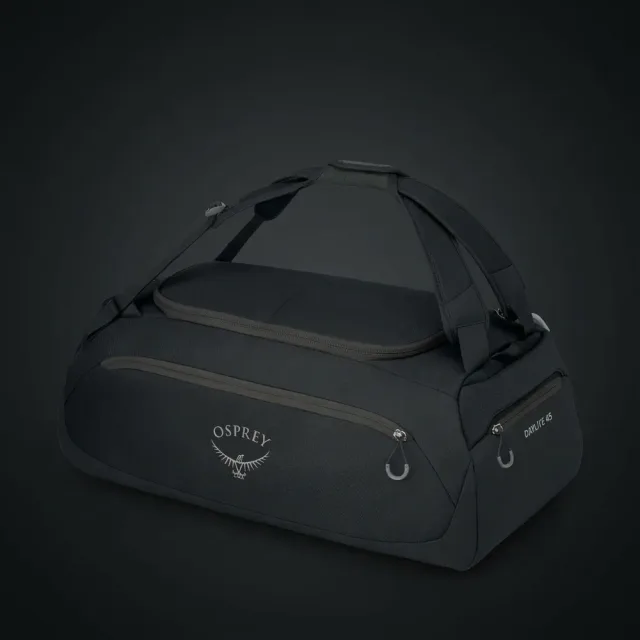
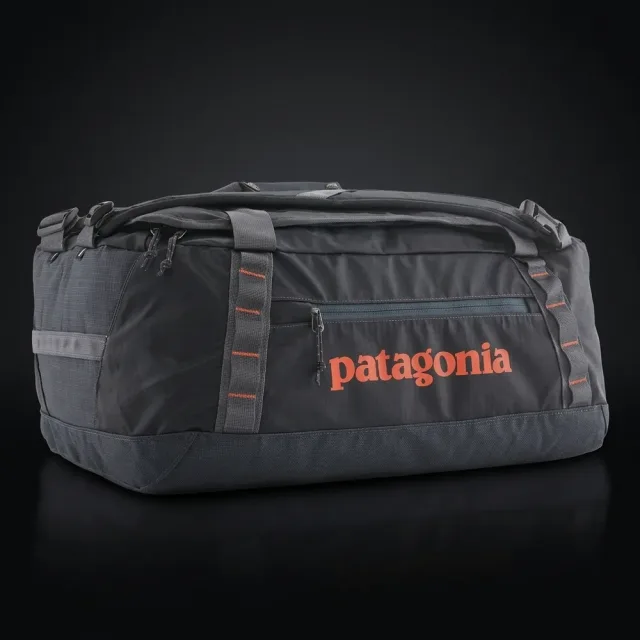
Outdoor brand alternatives like Osprey Daylite or a basic Patagonia Black Hole 25L also work beautifully. They are not dance-specific, but a separate shoe bag inside handles the sole-protection job and the build quality is exceptional. Expect 60 to 120 USD for an outdoor brand pick.

Best budget dance bag

Category pick: a basic 20 litre shoe-compartment gym backpack in the 20 to 35 USD range.

If you are new to dancing and not sure you want to commit 60 USD to a bag yet, a generic shoe-compartment gym backpack from Amazon or Decathlon is a perfectly reasonable start. Look for: separate ventilated shoe compartment at the bottom, at least one zippered pocket, padded straps, water-resistant outer fabric. Expect the zippers to fail inside a year with heavy use. That is fine — it is a stepping-stone bag.

What to avoid at this price point: bags with fake leather panels (they peel), bags without shoe compartments, and bags with a single internal compartment and no pockets.

Best dance bag for festivals and travel

Category pick: a 35 to 50 litre carry-on-compatible duffel or travel backpack.

Festivals require a different bag. You are packing multiple outfits, multiple pairs of shoes, toiletries, maybe a laptop. A travel backpack like the Osprey Farpoint 40L, Patagonia MLC 45L, or a similar carry-on-compatible duffel in the 120 to 180 USD range is what you want. These bags are overbuilt for weekly use but come into their own for congresses.

For lower budgets, any 40 to 50 litre duffel with a cross-body strap and internal organisation will do. Look for wet/dry compartments, external shoe pockets if available, and compression straps to keep everything tight when less-than-full.

Best dance bag for women who value aesthetic

Category pick: a structured leather or faux-leather tote or weekender with an internal organiser.

If you dress up for socials and carry a matching handbag, a sporty backpack can feel off. A structured tote or small weekender in a neutral colour (black, tan, olive) with proper handles and a detachable shoulder strap works beautifully. Add a standalone shoe bag inside, a small zip pouch for essentials, and a drawstring wet bag for worn clothes. You get the aesthetic without sacrificing function.

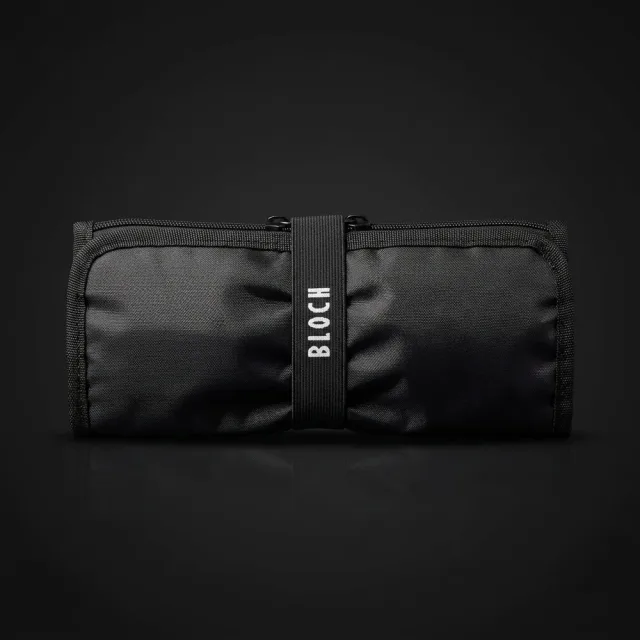
Brands like Bloch make dance totes specifically in this style. Fashion-first options from brands you already trust work too — with the caveat that fashion totes often have no structure, sag into a mess, and strain your shoulder on longer walks.

Best dance bag for leads

Category pick: a minimal 15 to 20 litre backpack or a large messenger bag.

Leads generally pack less — usually just shoes, a backup shirt, deodorant, and water. A smaller bag is a better fit than a followers-scale backpack. A clean, minimal 15 to 20 litre backpack from a brand like Fjallraven, Bellroy, or any minimalist design brand works well. Or a structured messenger/briefcase for guys who commute straight from office to social.

Best dance bag for couples sharing

Category pick: a 30 to 40 litre duffel with two separate shoe compartments.

Some dance duffels are specifically designed with two shoe compartments and two separate internal sections — one for each person. Useful if you and a partner always dance together and prefer to share the bag on nights out. Look for this specifically if it applies to you; generic duffels do not have this layout.


Dance bag packing tips

A few hard-won packing principles that make social dance nights smoother.

Pack the night before. Do not try to throw a bag together 20 minutes before leaving. You will forget something essential — usually deodorant. Pack the night before while you are calm.

Keep a permanent “dance essentials” pouch. A small zip pouch that lives in your bag permanently and contains: plasters, ibuprofen, hair ties, safety pins, a suede brush, travel-size deodorant, gum, and a spare hair tie or two. You refill it once a month. You never forget essentials.

Shoes go in first, along the spine of the bag. Heavier items closest to your back in a backpack. Lightest items at the top.

Use stuff sacks. A small drawstring bag for worn clothes, another for clean clothes, another for shoes. The inside of your bag stays organised without internal pockets.

Label or colour-code. If you travel to festivals, coloured stuff sacks (clean = green, worn = red, essentials = black) let you find things in dim hotel rooms.

Empty and air out once a week. At least once a week, empty the bag fully, turn it inside out if possible, and let it air for a few hours. Refill with fresh essentials. This is what stops it from ever smelling.

Rotate bags if you dance more than four times a week. Two bags, each used every other day, each lasts twice as long because the fabric gets time to fully dry between uses.


Frequently asked questions

Do I really need a dedicated dance bag?

If you dance more than once a week or go to congresses, yes. A regular gym bag does not separate your sweaty clothes from your dance shoes, has no ventilation for damp items, and usually lacks a dedicated shoe compartment. A proper dance bag keeps your suede-soled shoes off the floor, your fresh change of clothes away from the worn ones, and your essentials reachable without rummaging. For once-a-week casual dancers, any clean tote or backpack will do.

What should I pack in my dance bag for a social?

Dance shoes (in a shoe bag to protect the sole), a backup top or full change of clothes, a small towel, deodorant, a water bottle, gum or mints, hair ties or a comb, and a phone charger. For women, a spare pair of tights or fishnets. For longer events or festivals, add flip-flops for breaks, a small plastic bag for wet clothes, and a portable battery. I keep a small zip pouch in mine with plasters, ibuprofen, and a suede brush — tiny things that save nights.

Backpack or tote — which is better for a dance bag?

Backpacks win for weeknight socials and commuting. Two hands free, weight distributed across shoulders, easy on public transport. Totes win for venue arrival and quick changes — everything is visible, nothing gets buried. For congresses or travel, a duffel or rolling bag is more practical than either. If you only buy one, go with a backpack that has a separate shoe compartment at the bottom.

How big should my dance bag be?

For weeknight socials, 15 to 25 litres is plenty — enough for shoes, a change of clothes, and essentials. For weekend workshops, go 25 to 35 litres. For full festival weekends where you need multiple outfits and shoes, 40 to 50 litres or a carry-on style rolling bag works better. Too big and you end up carrying dead weight every night; too small and you sacrifice the spare top that saves you at hour three.

How do I stop my dance bag from smelling?

Ventilation and separation. Never leave sweaty clothes sealed inside overnight — pull them out and let them dry. Keep shoes in a breathable shoe bag, not sealed plastic. A silica gel pack or a cedar sachet inside the main compartment absorbs moisture. Wipe the interior once a month with a damp cloth and a drop of mild soap. If it ever genuinely smells, a full empty and overnight airing (plus a sprinkle of baking soda left inside for a day) brings it back.


Ready to dance?

Now that your bag is sorted, the rest is up to you. Browse salsa events, bachata events, kizomba events, and zouk events worldwide on our platform — we list verified weekly socials across the globe.

Need more dance essentials? Start with the best salsa dancing shoes and our best bachata dance shoes 2026 guide — the most important thing in your new bag. New to social dancing? Our salsa dancing for beginners, what is bachata dancing, what is kizomba dancing, and what is zouk dancing guides walk you through each style.

Travelling for your dancing? Our how to find social dance events while travelling guide is built for exactly this situation. For weekends away, the best salsa festivals 2026, best bachata festivals 2026, and best kizomba festivals 2026 guides cover the global circuit. Already know where you want to dance tonight? The world dance map shows events near you right now.

Share this guide:
Laura, Dance Writer at Where to dance Salsa

Laura

Dance Writer

Social dancer based in Europe with a decade of experience on salsa, bachata, and kizomba floors. Laura writes from personal experience — every guide reflects real nights out.