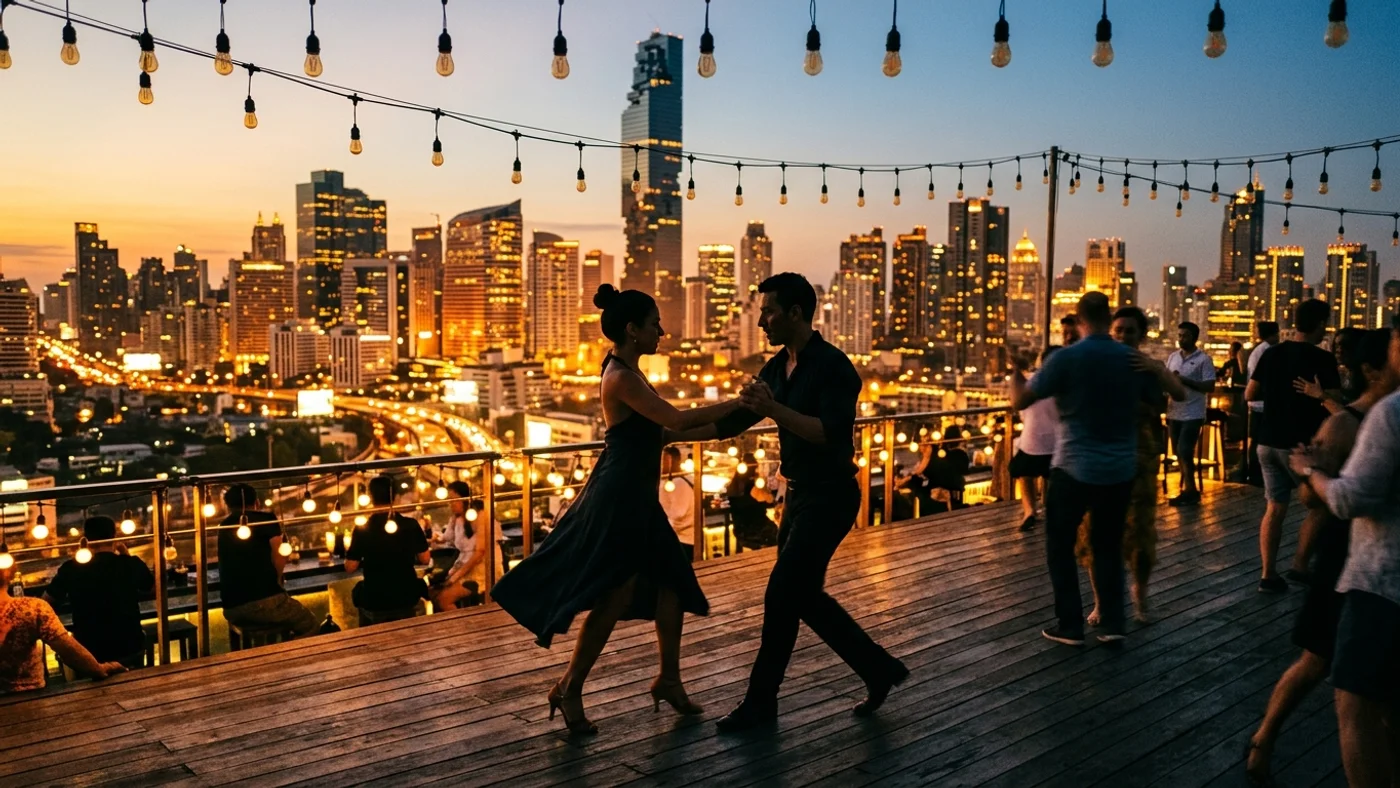
Asia is the newest frontier for salsa. The dance arrived late — most scenes on this continent are less than thirty years old, and the oldest established clubs in Tokyo and Singapore only date to the late 1990s. That late start shapes everything. Communities are smaller than in Europe or the Americas, organizers work harder to make events happen, and the dancers who do show up tend to be deeply committed rather than casual attendees.
This guide ranks the best Asian cities for salsa in 2026 based on scene depth, event frequency, and how rewarding each destination is for a visiting dancer. Honest assessment up front: no Asian city comes close to Madrid, London, or Cali in sheer volume. What the region offers instead is hospitality, dedication, and the novelty of dancing salsa in places where it still feels like a discovery rather than a mass movement. If you are a Western dancer who has been on the congress circuit for years, Asia will reset your relationship with the dance.
Table of Contents
- Tokyo, Japan
- Singapore
- Bangkok, Thailand
- Seoul, South Korea
- Bali, Indonesia
- Honorable Mentions
- Festivals Worth Traveling For
- Planning an Asian Salsa Trip
- FAQ
Tokyo, Japan
Tokyo has the deepest salsa community in Asia, and by some distance. The scene has been building since the mid-1990s, when returning Japanese expats who had lived in Puerto Rico and New York brought On2 mambo back with them. That heritage is visible on the social floor today — Tokyo is one of the rare Asian cities where a serious On2 community coexists with On1 and Cuban dancers.
Style mix: On2 New York-style mambo has the strongest per-capita following of anywhere in Asia. LA-style On1 dominates the larger social events, and there is a small but dedicated Cuban Casino community that holds periodic Rueda nights. Bachata has grown aggressively in the past five years and now shares the floor at most socials.
Best nights and neighborhoods: Roppongi and Shibuya are the hubs. El Café Latino in Roppongi runs salsa and bachata nearly every night of the week — it is the closest thing Tokyo has to a dedicated Latin club, and it is a good starting point for any visiting dancer. Las Risas in the Onosho B1F basement hosts Thursday socials that attract the On2 crowd. The Sunday Salsa Social Tokyo is a fixture that has run for years. Saturday night Salsa Sudada draws a mixed international crowd.
What makes it special: Tokyo’s workshop culture. Japanese dancers train seriously — it is not unusual to meet hobby dancers who have taken weekly privates for a decade. The level on the floor is technically excellent, musicality is strong, and the collective commitment to doing things properly is uniquely Japanese. Expect clean leads, clean follows, and respect for the space around you.
Practical notes: Socials are expensive by regional standards — expect 2,000 to 4,000 yen (roughly $15 to $30 USD) at the door, often with one drink included. Events generally run 8 PM to midnight, earlier than Spain or Latin America. Trains stop around midnight, so plan to either dance until first train (around 5 AM) or budget for a cab home.
Find all salsa events in Tokyo.
Singapore
Singapore is the densest salsa scene in Asia on a per-capita basis. The city-state is compact, so the scene is compact — but that compactness is an advantage. Within a thirty-minute MRT ride of the CBD you can find socials any night of the week, often multiple options on Fridays and Saturdays. The community is highly international, which is both its strength and its limitation: turnover is high as expats cycle through, but it means newcomers are welcomed fast.
Style mix: LA-style On1 dominates. Cuban salsa has a small, loyal following concentrated around specific weekly nights. Bachata runs alongside salsa at virtually every social and is arguably more popular than salsa with the current generation of Singapore dancers. Zouk has a small but passionate scene that overlaps heavily with bachata crowds.
Best nights and neighborhoods: The scene spreads across the CBD, Clarke Quay, and dance studios in Tanjong Pagar. Monday SBK socials, Wednesday and Thursday weekly parties, and Friday and Saturday “Latin Party” and “Fiesta Latina” nights form the backbone of the calendar. Cuba Libre and Senor Taco host regular salsa nights with a different flavor than the studio socials. En Motion Dance School’s Friday bachata social is a reliable weekly fixture.
What makes it special: Quality and consistency. Because the pool of serious dancers is small, organizers compete on production value — sound systems, DJs, and floors are better than you would expect for a scene this size. Door prices are high (20 to 40 SGD, roughly $15 to $30 USD), but you get what you pay for.
Practical notes: Dress codes are enforced at some venues — smart casual minimum. The MRT stops around midnight and restarts at 5:30 AM; taxi surge pricing between those hours is real. Singapore is expensive: a full salsa night with drinks typically costs 60 to 100 SGD.
Find all salsa events in Singapore.
Bangkok, Thailand
Bangkok is where Asian salsa is heading. Five years ago, the scene was a handful of weekly socials attended mostly by long-term expats. Today it has grown into one of the most dynamic in the region, with new venues opening regularly and a steady influx of digital nomads, European expats, and Thai dancers who have trained at congresses abroad. The 2027 edition of Thailand Latin Extravaganza will pull hundreds of international dancers to the city.
Style mix: LA-style On1 is dominant. The Cuban scene is smaller but active, with a handful of dedicated Casino nights. Bachata has overtaken salsa in raw popularity — the “SBK” (salsa-bachata-kizomba) format is the default at most socials, which reflects the reality that most Bangkok dancers do all three styles. Kizomba has its own dedicated nights thanks to a visible African expatriate community.
Best nights and neighborhoods: Sukhumvit is the center, with Thonglor and Ekkamai the specific districts to know. Latin Soul at Assembly Point Thonglor on Tuesdays is a fixture. Tuesday Latino En Fuego at S31 Sukhumvit runs a classic class-then-social format. Bachata Fever at amBar Rooftop brings the outdoor tropical element. Wednesday Salsa Bangkok has a dedicated salsa focus when most other nights are SBK mixes. Saint of Salt hosts the monthly Salsa Bangkok Monthly Party and Thursday kizomba nights.
What makes it special: Value and warmth. Entry fees are typically 200 to 400 baht (roughly $6 to $12 USD), a fraction of Singapore or Tokyo. The community is famously welcoming to visitors — show up, ask for dances, and you will find yourself introduced to everyone by the end of the first hour. Humidity is brutal year-round; dress accordingly.
Practical notes: Bangkok traffic is legendary. Plan routes by BTS Skytrain where possible and build in buffer time on motorbike taxi days. Socials generally start at 9 PM and run to 1 or 2 AM. The Thai New Year (Songkran) in mid-April shuts down most events for a week.
Find all salsa events in Bangkok.
Seoul, South Korea
Seoul has a tight, quality-focused salsa scene that outperforms expectations. The community is smaller than Tokyo or Singapore, but the concentration of serious dancers — and the presence of a few legendary venues — gives it character. Korean dancers are known for their technical precision and styling, and several top-tier On2 instructors who tour internationally are based in Seoul.
Style mix: LA-style On1 and On2 both have active followings. The Korean approach to dance is disciplined — lots of studio time, polished technique, clean execution. Bachata has grown significantly, particularly sensual bachata, and now shares the floor at most socials. Zouk has carved out a niche via the BachaZouknight crowd.
Best nights and neighborhoods: Hongdae and Itaewon are where the action is. Latin Club Sol is the long-running institution — it runs social dancing nightly and is the single most reliable venue in the city. Club Havana hosts Havana Salsa Club on weekends. BachaZouknight at Club LATIN is the go-to for the bachata and zouk overlap crowd on Fridays. The scene is smaller than Tokyo by volume, but weekend floors in Hongdae pull solid crowds.
What makes it special: The Korean commitment to excellence translates directly to the dance floor. You will not find a lot of casual social dancers here — the people who show up train regularly and care about their technique. That raises the average level significantly and makes Seoul a good destination for intermediate-plus dancers looking to be challenged.
Practical notes: Seoul nightlife runs late. Clubs often stay open until 4 or 5 AM, and socials reflect that — expect things to peak between midnight and 3 AM. Door prices range from 10,000 to 25,000 won (roughly $8 to $20 USD). Subway runs until midnight; taxis are plentiful and reasonably priced.
Find all salsa events in Seoul.
Bali, Indonesia
Bali is a category of its own. This is not a city scene — it is a lifestyle scene that happens to include some of the most active daily Latin dance floors in Asia. The scene is almost entirely expat and digital-nomad driven, centered in Canggu, Ubud, and Seminyak, with a revolving cast of long-term residents and travelers who stay for weeks or months at a time. That transience would kill most scenes; here it produces the opposite effect, a constant freshness that keeps the social dancing lively.
Style mix: Every style gets played, often in the same night. Bachata dominates the younger expat crowd. Salsa holds its own thanks to long-running venues. Kizomba has a dedicated scene centered at specific nights. Zouk has grown into arguably the most passionate sub-community, with dedicated parties at Cremoso and Rolling Fork among others.
Best nights and neighborhoods: Canggu and Ubud share the calendar. Monday kicks off with Jalapeno Latin Night and Amavi Monday Social. Tuesdays bring Herb Library, Rolling Fork, and Litut Bar. Wednesday is Beach Garden and Amavi Wednesday. Thursdays split across Pilleyar Bar, Zouk Social, and Bakfickan Bar. Fridays peak at Cafe Dunia and CP Lounge. Weekends run Hatch Bar Live, Mad Monkey Bachata, Brazilian Zouk Party, SBK Party, and outdoor sessions at Azul Beach. You can dance every night without repetition.
What makes it special: You can dance seven nights a week and be at the beach by noon. No other scene in Asia combines that density of social dancing with this quality of life. The Bali Zouk Retreat 2026 is the marquee event but smaller gatherings, retreats, and workshops run year-round. The caveat: the scene is almost entirely international, with a small but growing Indonesian contingent. If you are looking for a culturally rooted Indonesian salsa experience, this is not that. If you are looking for the most enjoyable place in Asia to build a month-long dance routine into a working holiday, Bali is it.
Practical notes: Scooters are the default transport — most venues do not have parking for cars. Entry fees are low (often free with a drink minimum). The wet season runs November to March and can disrupt outdoor events. Ubud runs earlier and quieter; Canggu runs later and louder.
Find all salsa events in Bali.
Honorable Mentions
Chiang Mai, Thailand
Chiang Mai’s salsa scene is small but deeply rooted in the digital nomad community. Regular socials run at PuraVida Entertainment, One Nimman, and occasional outdoor events at Huay Kaew Arboretum. The Latin Nature Xclusive 2026 festival in November is a proper destination event, combining dancing with the relaxed northern Thai setting. If Bangkok is too much city, Chiang Mai is the chilled-out alternative. Find all salsa events in Chiang Mai.
Kuala Lumpur, Malaysia
KL has an active, underappreciated scene that benefits from its international English-speaking dance community. The World Bachata Festival Kuala Lumpur is celebrating its 16th edition in 2026 — rare longevity for an Asian bachata event. Salsa events run weekly at venues across Bukit Bintang and KLCC. The city is a genuine dance destination that deserves more recognition than it gets.
Manila, Philippines
Manila’s Latin dance community is the most underrated in Asia. Filipino musicality translates naturally to salsa, the scene has been building for over twenty years, and English fluency makes it accessible to international visitors. The Manila SBKZ Overdose International Festival 2026 in June is the anchor event of the Philippine calendar. If you can work around Manila’s traffic, the payoff is real.
Hong Kong
Hong Kong’s scene has contracted significantly since 2019, but a core of dedicated dancers keeps it alive. Salsa Fiesta at Azogar Dance Company is the most reliable regular event. Expect smaller crowds than Tokyo or Singapore but a passionate community that welcomes visitors. The city works better as a weekend stopover than a destination in itself.
Dubai / Fujairah, United Arab Emirates
The Gulf has a thriving international dance scene driven by expat communities. The Fujairah Latin Festival 2026 in late April is the region’s biggest draw, bringing international instructors to a coastal resort setting. Dubai itself runs regular socials throughout the year, and the combination of high-end venues and a globally diverse crowd creates a distinctive salsa experience unlike anywhere else in Asia.
Ho Chi Minh City / Da Nang, Vietnam
Vietnam’s scene is embryonic but growing fast. Latin Escape Da Nang in May is the country’s flagship event. Ho Chi Minh City has a handful of weekly socials. If you want to be in at the ground floor of an emerging Asian salsa destination, Vietnam is it.
Festivals Worth Traveling For
Festivals concentrate the scene — if you have only one week in Asia to dance, planning around a major event is the single highest-leverage move you can make.
La Bachata Tokyo World Congress 2026 — October 2026. The most ambitious bachata event in Japan, bringing international headliners to Tokyo for a full congress weekend. Good pairing with a longer Japan trip.
Thailand Latin Extravaganza 2027 — January 2027. Bangkok’s biggest festival, covering salsa, bachata, kizomba, and zouk. The tropical-winter timing makes it popular with European dancers escaping the cold.
Manila SBKZ Overdose International Festival 2026 — June 2026. Now in its third edition, this is the Philippines’ showpiece event, drawing dancers from across Southeast Asia.
Fujairah Latin Festival 2026 — April 2026. The UAE’s flagship Latin festival, set on the Gulf coast with international instructors across all four main styles.
World Bachata Festival Kuala Lumpur — November 2026. Sixteen editions in. Asia’s longest-running bachata festival, with a track record that speaks for itself.
Bali Zouk Retreat 2026 — March 2026. A zouk-focused retreat in the tropics. If zouk is your dance and you can only justify one Asian trip, build it around this.
Latin Nature Xclusive 2026 — November 2026. Northern Thailand festival with a boutique, nature-focused format. Different energy than the city congresses.
Browse the full festival calendar for complete listings.
Planning an Asian Salsa Trip
Stack cities by proximity. Singapore–Kuala Lumpur–Bangkok forms a natural Southeast Asian loop, connected by cheap flights and buses. Tokyo–Seoul is an easy two-hop pairing. Bali works as a standalone destination or paired with a few days in Bangkok on the way in or out.
Time around a festival. This matters more in Asia than in Europe. Local scenes are small enough that a quiet week can feel very quiet. Festivals create critical mass and guarantee packed floors with international dancers.
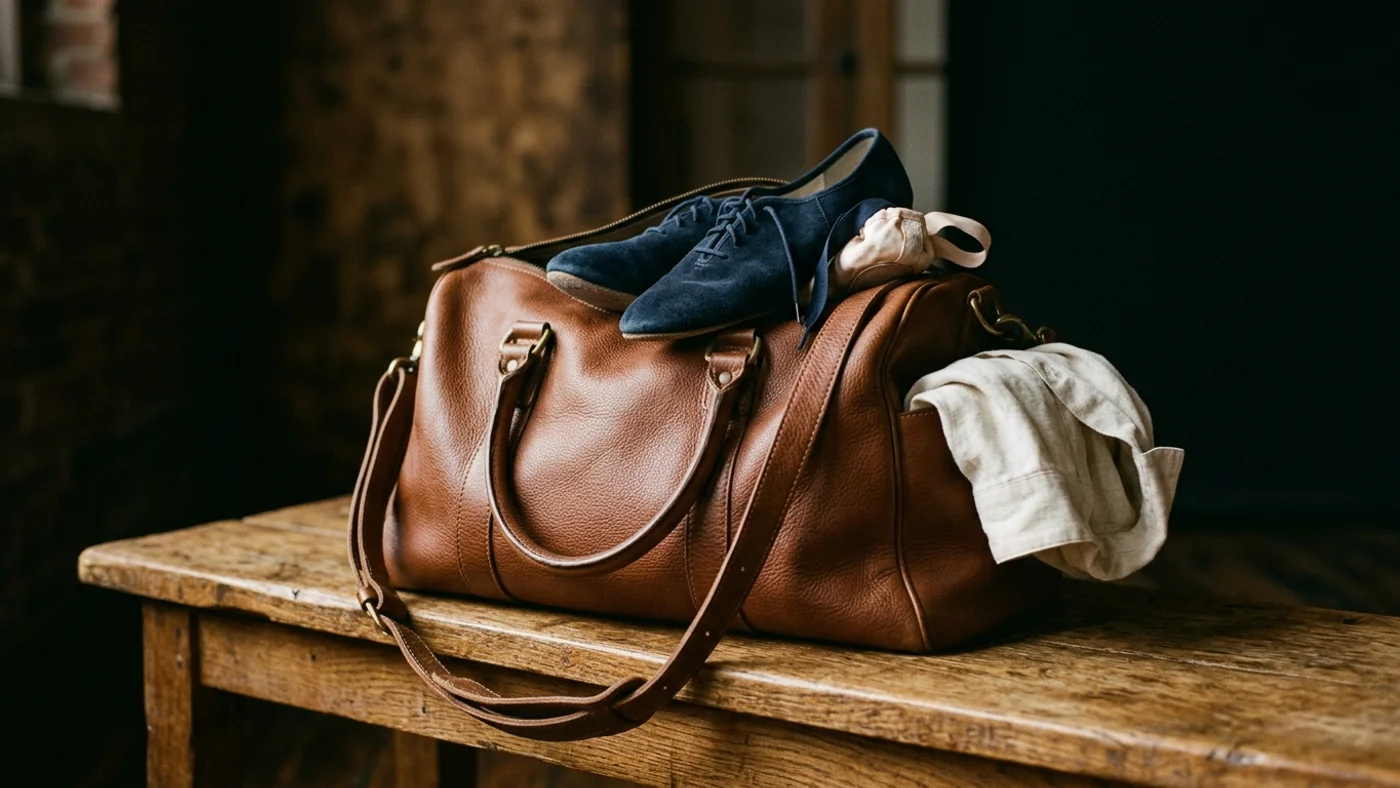
Bring proper dance shoes. Asian dance floors vary wildly — from polished wood in dedicated studios to concrete at rooftop bars to marble tiles at hotel ballrooms. Suede soles are essential. Our guide to salsa dance shoes covers what to look for.
Adjust to the humidity. In Bangkok, Singapore, Manila, and Bali, you will sweat through one outfit per hour of dancing. Pack at least two changes of clothes per night, plus a small towel. Lightweight, breathable fabrics outperform anything designed for cooler climates.
Learn the local schedule. Tokyo starts early and ends before the trains stop, unless you are committing to dance-until-dawn. Bangkok runs later. Bali runs all night. Seoul goes late. Know your venue’s hours before you buy a ticket.
Use English-first venues as entry points. The venues highlighted in this guide all operate in English and are used to international visitors. As you settle in, locals will introduce you to smaller, more local nights that might not be in English but are where the community actually lives.
Respect local etiquette. In Japan, asking for a dance with a slight bow and accepting “no” gracefully is the norm. In Korea, dance communities are tightly connected to studios — if you are invited, go. In Southeast Asia, informal is fine, but expressing genuine appreciation for your partner at the end of a song goes a long way.
Budget realistically. A full night of dancing in Tokyo or Singapore with drinks runs $40 to $80. In Bangkok or Bali, the same experience is $15 to $30. Budget accordingly and consider stacking an expensive city with a budget one on the same trip.
Check current schedules. Asian scenes change fast. Venues close, nights move, organizers pivot. Verify every event on our salsa page before booking flights.
FAQ
What is the best city for salsa in Asia?
Tokyo. It has the deepest history, the most serious community of trained social dancers, the strongest On2 scene in the region, and a collection of dedicated venues that operate nearly nightly. Singapore is a close second for density, and Bangkok is rising fast on value and energy.
Is the salsa scene in Asia beginner-friendly?
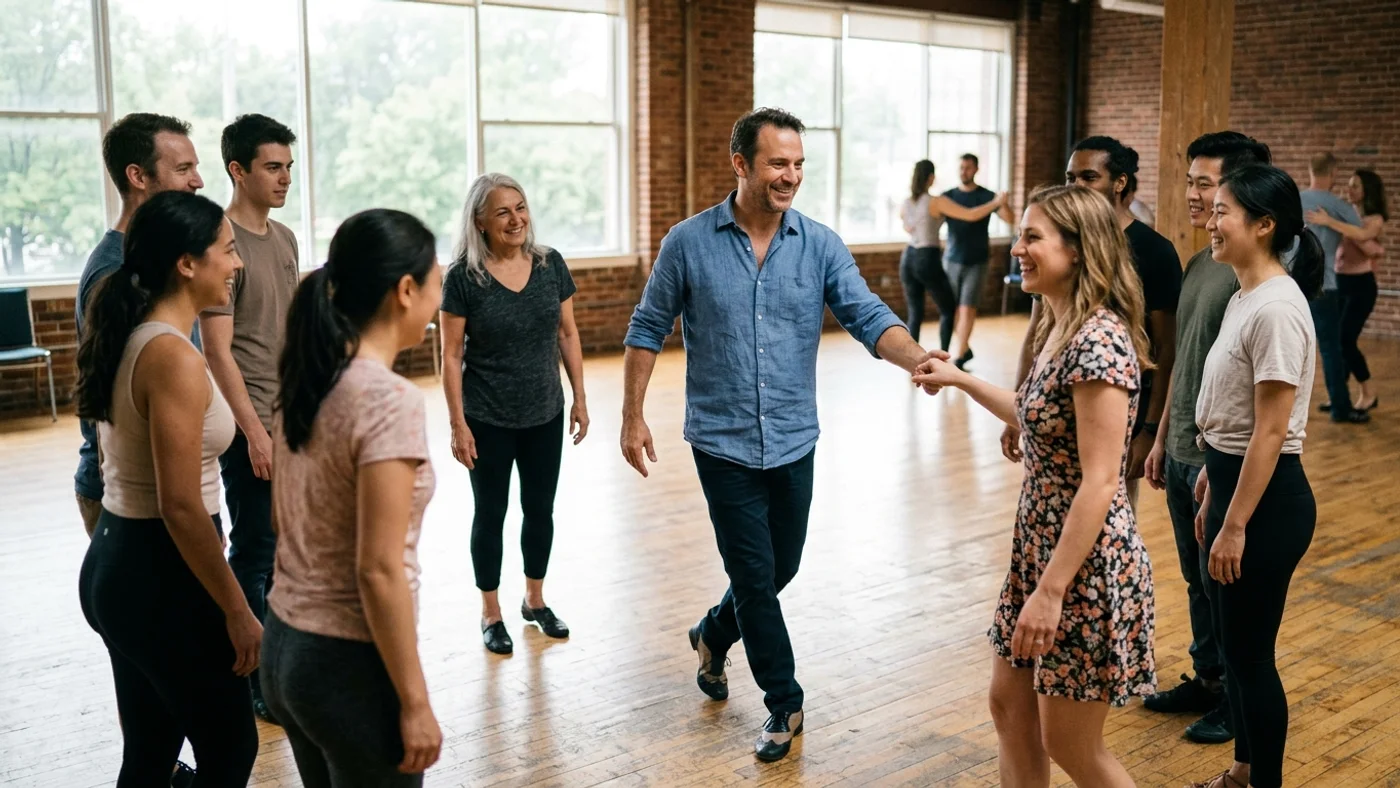
Yes, especially in Singapore, Bangkok, and Tokyo. Most weekly socials run a pre-social class, and because the scenes are smaller and more international, locals and expats are genuinely happy to see new faces. You may be the only non-Asian dancer on some Tokyo floors — no one cares, people just want to dance. For a full primer on what to expect, read our guide to salsa dancing for beginners.
When is the best time to plan a salsa trip to Asia?
October to March avoids the worst of the Southeast Asian heat and lines up with festival season. La Bachata Tokyo World Congress in October and Thailand Latin Extravaganza in January are the obvious anchors. Avoid Lunar New Year week (late January or February) when many smaller venues close.
How do Asian salsa scenes compare to Europe or Latin America?
Smaller. Honest truth: a strong Tokyo or Singapore scene is maybe 300 to 500 active social dancers, versus 3,000+ in London or Madrid. But what Asia lacks in size it compensates for in dedication and hospitality. Skill levels at the top end are high, and visiting dancers are warmly welcomed rather than lost in the crowd. If you want volume, go to our guide on the best cities for salsa in Europe.
Which Asian city is best for a salsa dance holiday?
Bali. Not because the salsa scene is the deepest, but because Canggu and Ubud have built a genuine daily social dance circuit that combines Latin dance with a holiday lifestyle. You can dance every night, take workshops with visiting international instructors, and be at the beach by noon. Bangkok is the best all-rounder if you want a proper city scene.
Find Salsa Events in Asia
Browse all salsa events in Asia to find socials in your destination city. Planning festivals? Our complete festival calendar lists every verified event. If you want to compare scenes, our guide to the best cities for salsa in Europe covers the other major continent for traveling dancers, and our best bachata cities in Asia companion guide focuses on bachata-specific recommendations for the same region. New to social dancing in unfamiliar cities? Our guide on how to find social dance events while traveling covers the practical basics.