At a Glance
I was at a festival in Lisbon when a dancer from Guadeloupe asked what I danced. “Zouk,” I said. She smiled. “Ah, but which one?” That question reveals a history spanning two continents, three distinct dances, and one very confusing name. Let’s untangle it.
The Name Game: How One Word Connects Three Worlds
The confusion starts with the music. In the early 1980s, the band Kassav’ from Guadeloupe and Martinique pioneered a sound that took the world by storm: zouk. This music traveled to Brazil just as the high-energy Lambada dance craze was fading for lack of new music. Brazilian dancers adapted their steps to the slower, smoother Caribbean rhythms, and called their new dance “zouk” after the music. Meanwhile, a completely different partner dance, now called Zouk-Love, was evolving in the Caribbean to the very same songs.
Lambada: The Fiery Brazilian Ancestor
Before there was Brazilian Zouk, there was Lambada. Born in northeastern Brazil, it became a short-lived global phenomenon in the late 1980s, fueled by the hit song from the group Kaoma. The dance is fast, typically over 118 BPM, and defined by continuous stepping, strong lateral hip movements, and dramatic, sweeping arches. When the music’s popularity faded, the dance didn’t vanish, it evolved. Today, you can find its spirit in Porto Seguro, Brazil, and in “Lambazouk” workshops at festivals, which blend Lambada’s energy with modern Zouk technique.
Brazilian Zouk: The Flowing Global Dance
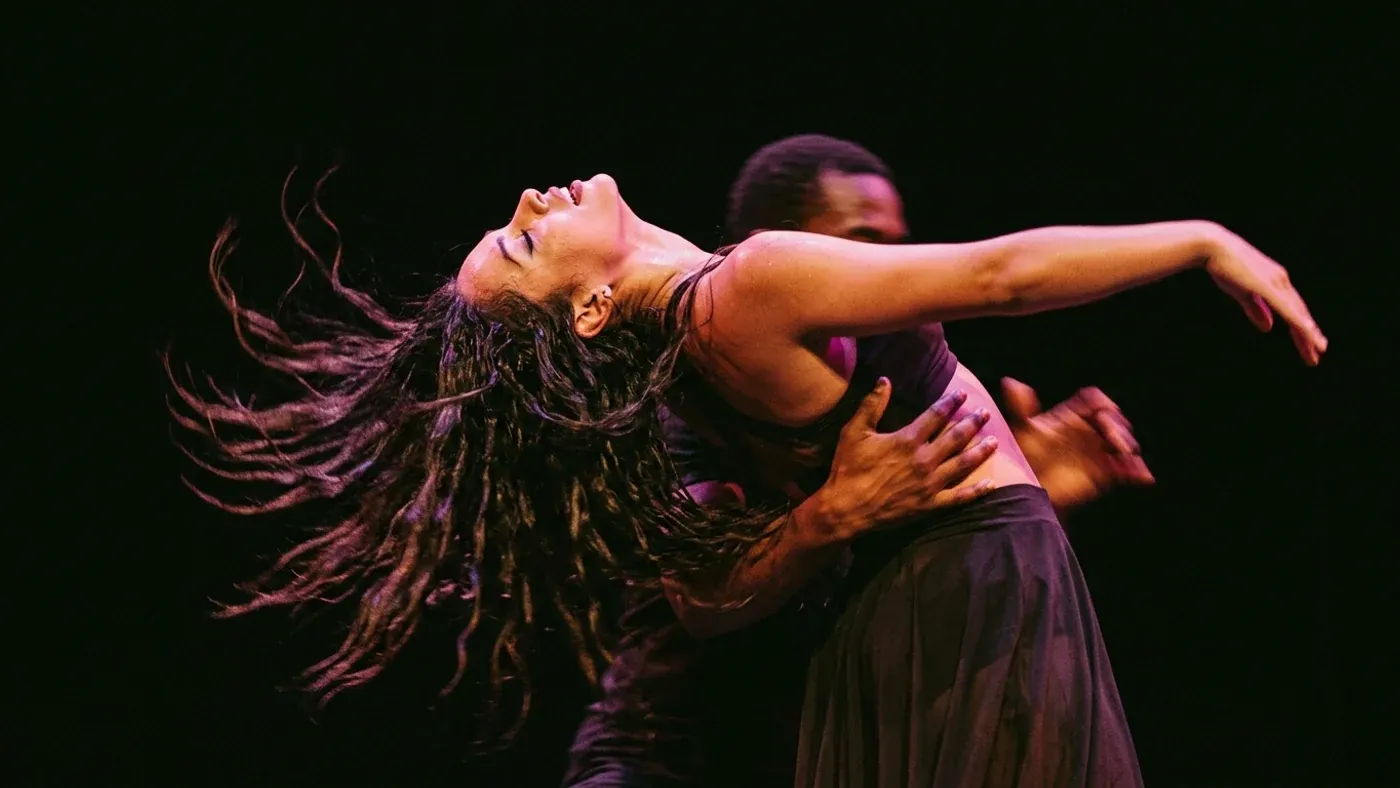
This is the dance most people mean when they say “zouk” on the international scene. Born in Rio de Janeiro in the early 1990s, it’s what happened when Lambada dancers like Renata Peçanha and Adílio Porto adapted their moves to the slower Caribbean music. The slower tempo gave them space to create the dance’s signature elements: flowing body waves, deep cambres (led upper-body arches), and intricate circular patterns. The music is famously diverse, ranging from R&B and pop remixes to lyrical and electronic tracks. This musical flexibility and focus on fluid connection has helped it build passionate communities in nearly every major city worldwide. For a deeper dive, see our guide to Zouk dancing.
Caribbean Zouk-Love: The Intimate Original
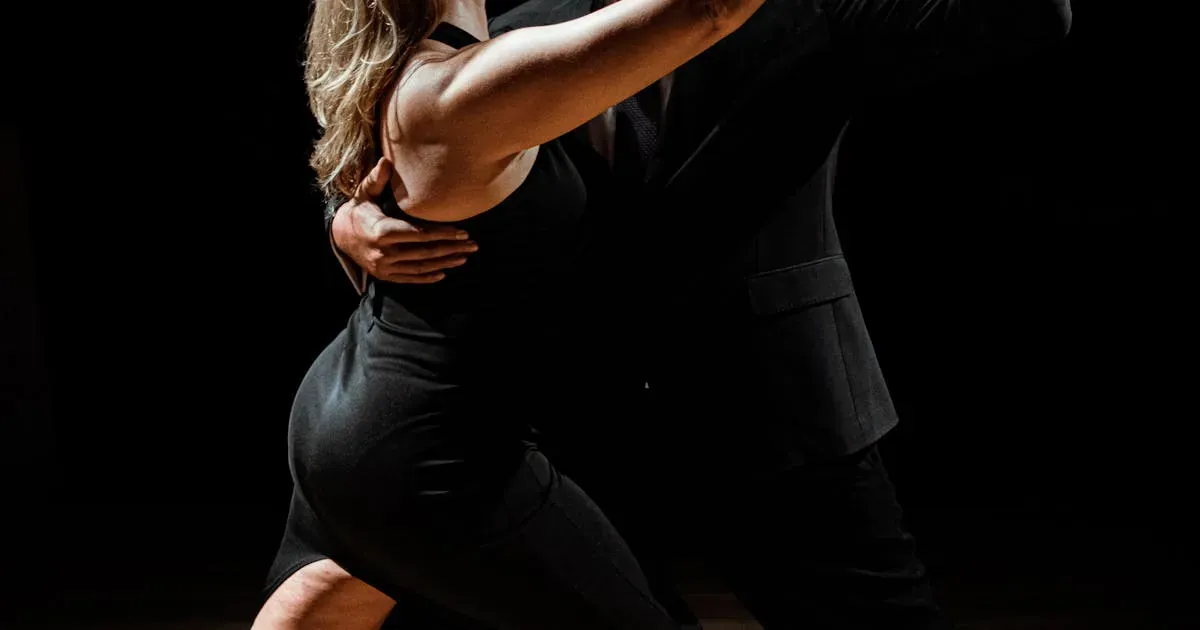
This is the dance that grew up with the music in its homeland, the French Antilles. Zouk-Love is danced to the slower, more romantic ballads of the genre. It’s a close-embrace dance, intimate and gentle, with a subtle side-to-side sway and simple, graceful turns. There are none of the dramatic dips or head movements of its Brazilian cousin. It shares a closer feeling with dances like Kizomba or Kompa, focusing on a quiet, sustained connection between partners. Finding a dedicated Zouk-Love social outside of Paris or the Caribbean is rare, but knowing it exists is key to understanding the culture. It’s a beautiful dance that deserves recognition separate from the Brazilian style that shares its name.
| Dance | Origin | Tempo (BPM) | The Vibe |
|---|---|---|---|
| Lambada | Brazil (~1980s) | 120+ | Fast, bouncy, hip-driven |
| Brazilian Zouk | Brazil (~1990s) | 80–110 | Flowing, circular, continuous |
| Zouk-Love | French Caribbean (~1980s) | 60–80 | Slow, close-embrace, intimate |

Where to Dance Brazilian Zouk
While Lambada is centered in Porto Seguro and Zouk-Love in the Caribbean diaspora, Brazilian Zouk is a global phenomenon. The scene’s heart beats strongest at international festivals, where dancers gather for workshops and non-stop socials. Major hubs each have their own flavor, from the traditional schools of Rio de Janeiro to the massive, fusion-heavy scene in São Paulo.
Paris, France
Paris is unique, hosting Europe’s largest Brazilian Zouk scene alongside a Caribbean diaspora where you can find authentic Zouk-Love socials.
Beyond the weekly socials, the festival circuit is where the global community connects. From beach events in the tropics to massive congresses in major European capitals, there’s an event nearly every weekend of the year. It’s the best way to experience the dance’s diversity and learn from top international artists.
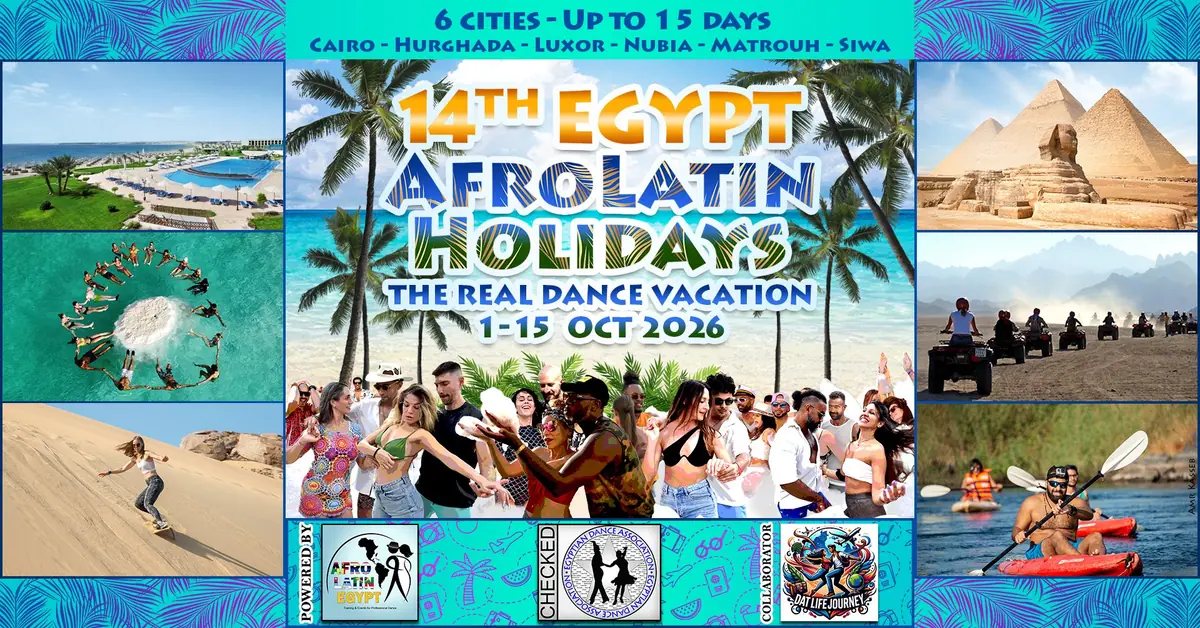
- OCT114th Egypt AfroLatin Holidays - Oct 2026BachataKizombaSalsaZouk
- OCT1
- OCT3
- OCT15
- OCT15Back 2 Mambo 2026SalsaBachataKizombaZouk
- OCT15


Knowing the difference isn’t just trivia; it’s about respecting the cultures that created these dances. Naming them accurately honors the artists from both the Caribbean and Brazil. Whichever style calls to you, exploring this family of dances will deepen your appreciation for the creativity of the social dance world.
Explore all Zouk festivals