Kizomba Dancing in Paris: 2026 Guide

Where to dance kizomba in Paris — Le Balajo, Afro-French community, weekly socials, urban kiz, festivals and honest scene notes from a dancer.

By Colin · · 16 min read

Paris has the biggest kizomba scene in Europe outside Lisbon. That’s not a close call — no other European city comes near Paris on weekly floor-count, and the Afro-French community that anchors the scene connects Paris to the broader French-speaking African diaspora in a way that makes the dancing here both culturally rooted and constantly evolving. Paris was also, alongside Lisbon, the principal birthplace of urban kiz — the stylised kizomba form that dominated the international festival circuit in the 2010s and still shapes how most European dancers learned the form. If you dance kizomba seriously in Europe, you’ve probably taken workshops from Paris-trained or Paris-based instructors, listened to Paris-produced kizomba music, and seen Paris-style urban kiz footwork at every festival you’ve attended. This guide covers where to dance kizomba in Paris in 2026, how the traditional-urban-kiz split plays out on weekly floors, and what to expect as a visiting dancer.

Table of Contents

What Is Paris’s Kizomba Scene Actually Like?

Paris’s kizomba scene has grown over thirty years from a community practice within the Afro-French Lusophone and Francophone diaspora — Angolans, Cape Verdeans, Guineans, Congolese, and the broader French-speaking African community — into one of the largest and most technically developed dance scenes in Europe. Today the scene operates on three interlocking layers:

  1. The community layer: Afro-French diaspora-anchored nights, often in the outer arrondissements and banlieue, where kizomba and semba are danced as cultural practices.
  2. The studio/urban-kiz layer: Paris-based schools and instructors who were instrumental in developing urban kiz in the 2010s, and who still run weekly socials and workshop events that pull festival-grade dancers.
  3. The central-club layer: Venues like Le Balajo, Salle Colonne, and others that run SBK-format nights where kizomba shares the evening with salsa and bachata.

The three layers overlap more than they separate. A single Paris kizomba dancer might take classes at an urban-kiz school, dance at a community night in Montreuil on Saturday, and go to Le Balajo on Thursday for the SBK mix. This fluidity is one of the scene’s defining features — and it means that Paris is probably the most cosmopolitan kizomba city in the world, where traditional and urban-kiz dancers share floors and switch styles within a single song.

Size-wise, Paris runs seven dedicated kizomba or heavily-kizomba-inclusive weekly nights across the week, plus a rotating cast of monthly and one-off events. Saturday-night activity at the community level is particularly rich but often happens at venues that don’t appear on mainstream event calendars — the insider knowledge here is real, and connecting with a local dancer or a school before you visit will unlock events you won’t find otherwise.

One honest observation: Paris’s international kizomba reputation in the 2010s was built heavily on urban kiz and the festival-instructor circuit. In 2026, the global conversation has shifted somewhat — with traditional kizomba reasserting itself as the “proper” form and urban kiz taking some critical heat for drifting too far from the Angolan source. Paris has absorbed this shift well. You’ll find plenty of traditional-style kizomba here now, alongside the urban-kiz infrastructure, and the best Paris dancers move comfortably between both.

Where Can I Dance Kizomba in Paris?

These are the dedicated weekly floors and kizomba-inclusive nights I’d point a visiting dancer to in 2026. All are verified and active.

Saida Kizomba at Dance In The City (Tuesdays)

Saida Kizomba at Dance In The City by Co-Imi runs Tuesday nights from 20:00 to 02:00 — a dedicated kizomba weekly that pulls a serious dancer crowd. This is one of the clearer weekly kizomba-only floors in the city and a good mid-week anchor. The Saida community is Paris-kizomba-heritage and the playlist reflects that.

Jeudis SBK by Mambosalsa / DJ Delavega (Thursdays)

Jeudis SBK by Mambosalsa / DJ Delavega at The Station runs Thursday nights from 21:30 with beginner kizomba class at 19:30 and advanced at 20:30. SBK format but with serious kizomba presence and a DJ who programs the rotation thoughtfully. One of the better mid-week SBK nights for dancers who want balanced salsa/bachata/kizomba rather than a pure single-style floor.

Soirée SBK at Le Balajo (Thursdays)

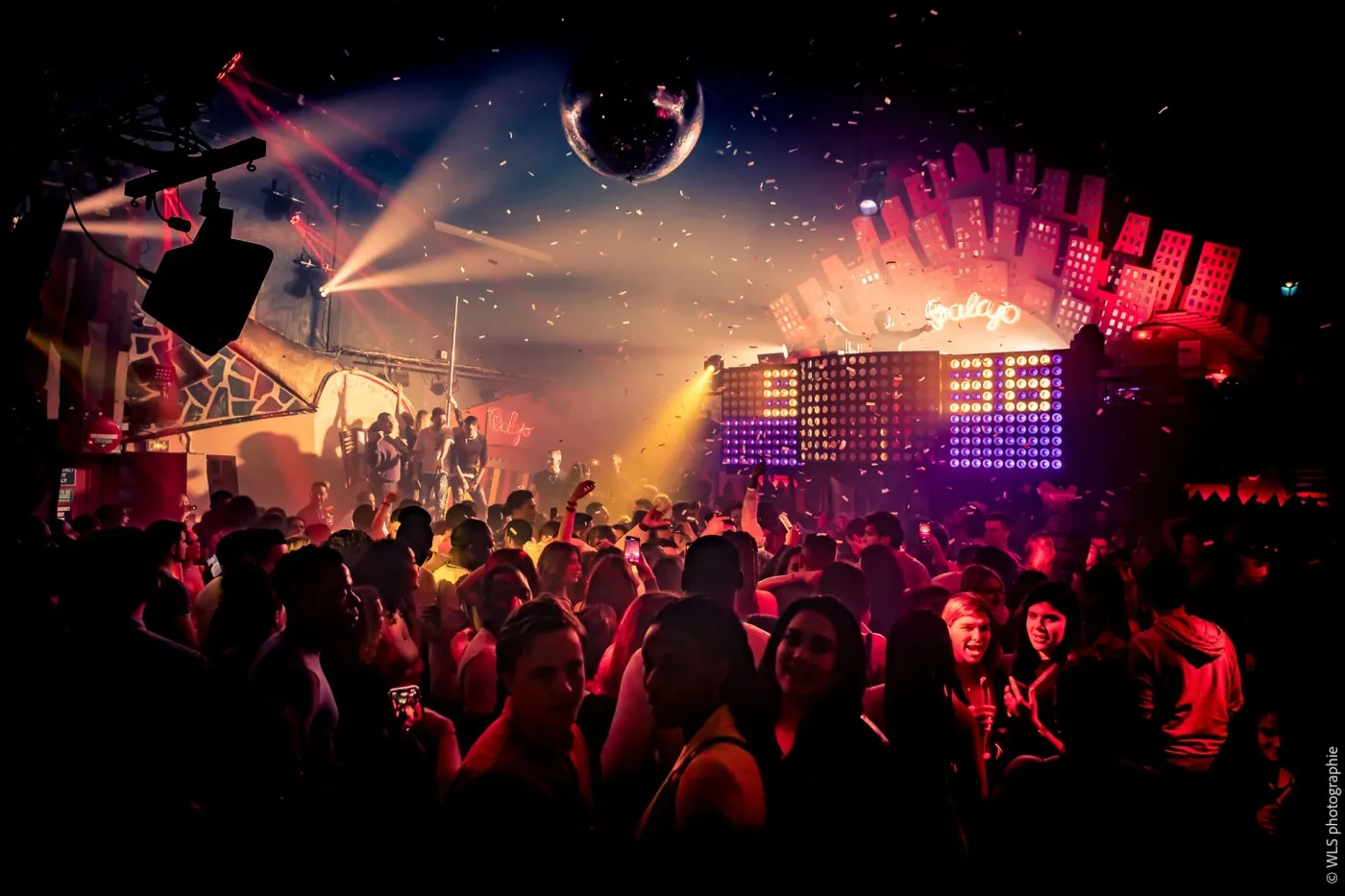
Le Balajo — the iconic Bastille venue dating back to 1936 — runs Soirée SBK on Thursdays from 21:30 to 00:30, with a salsa class at 19:30. Kizomba is in the rotation alongside salsa and bachata. Le Balajo’s history and atmosphere make it a Paris dance landmark worth visiting for the room alone, and the Thursday night is the most accessible for first-time visitors.

ROYAL CONNEXION ZOUK (Thursdays)

ROYAL CONNEXION ZOUK at Île du Martin Pêcheur runs Thursday evenings from 18:00 until midnight. Primarily billed as a Brazilian zouk event but the Paris dance culture blurs the line between zouk, kizomba and urban kiz more than in other cities — dancers who do both styles regularly attend. The Île du Martin Pêcheur setting (actual island on the Marne river, summer especially) is distinctive.

Temple of Zouk at Temple du Swing (3rd Fridays)

Temple of Zouk at Temple du Swing runs the 3rd Friday of each month — classes all levels 21:00–22:00, social 22:00–02:00. Zouk event but draws kizomba dancers regularly. A monthly rather than weekly, so check the date.

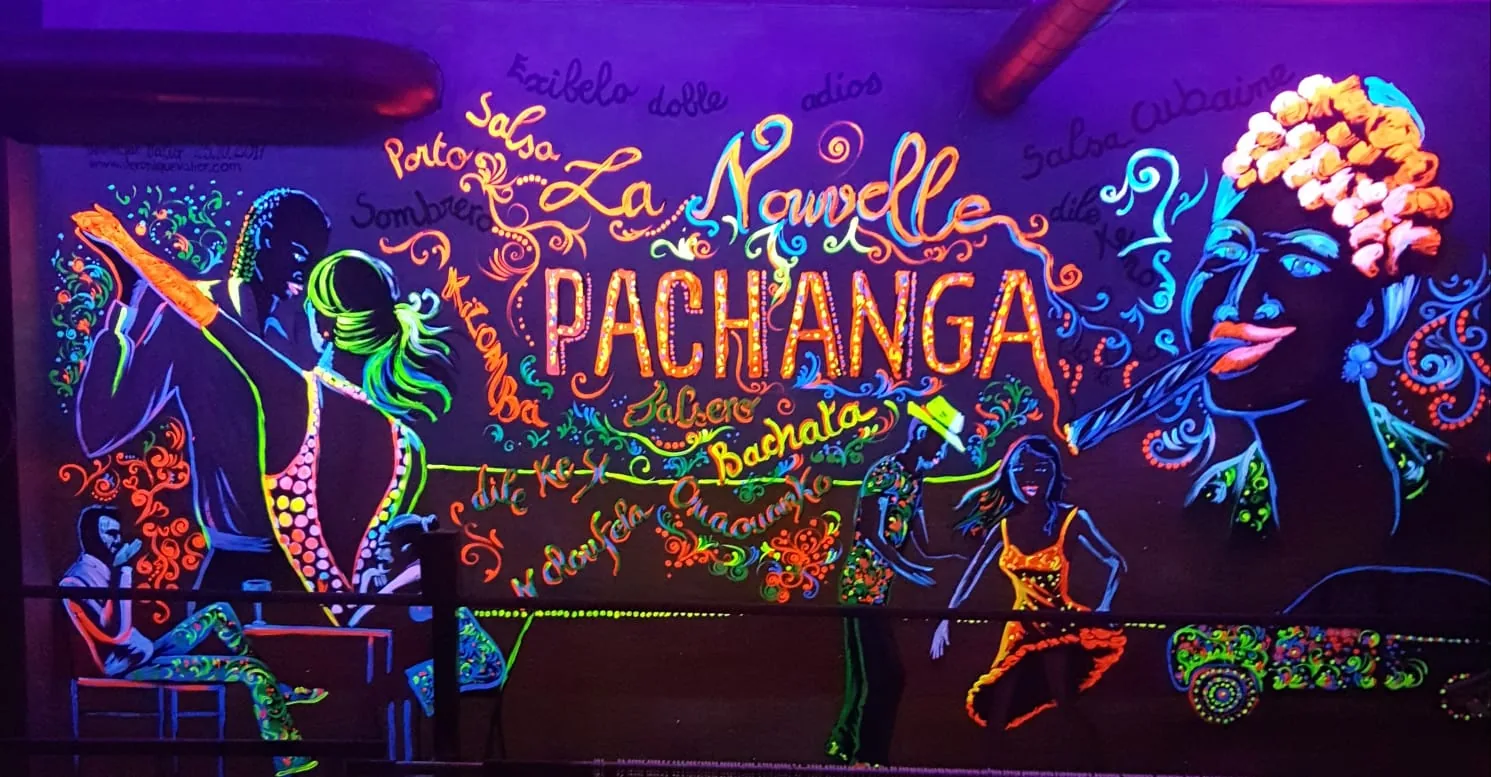
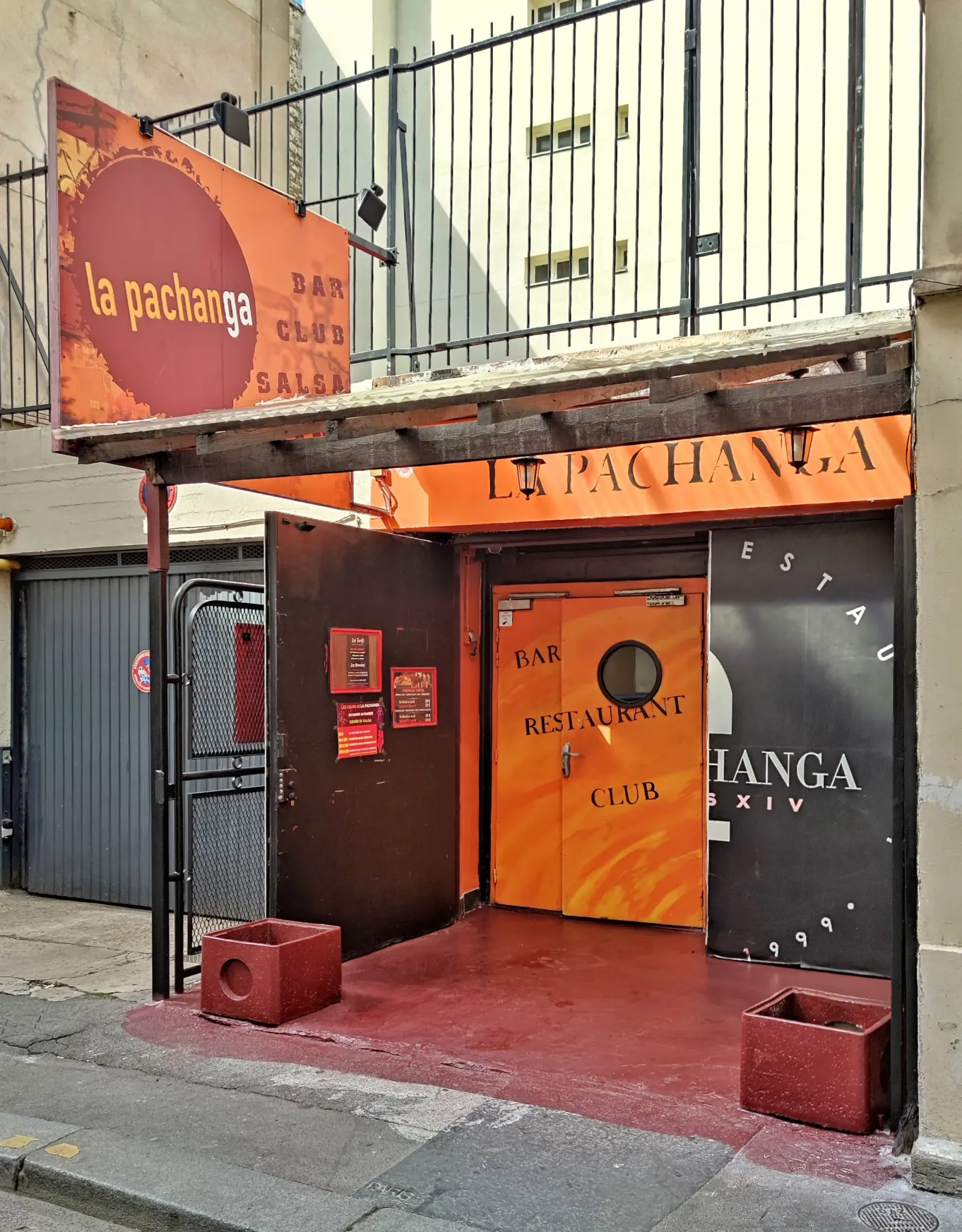
La Pachanga SBK Nights (Wed/Thu/Fri/Sat)

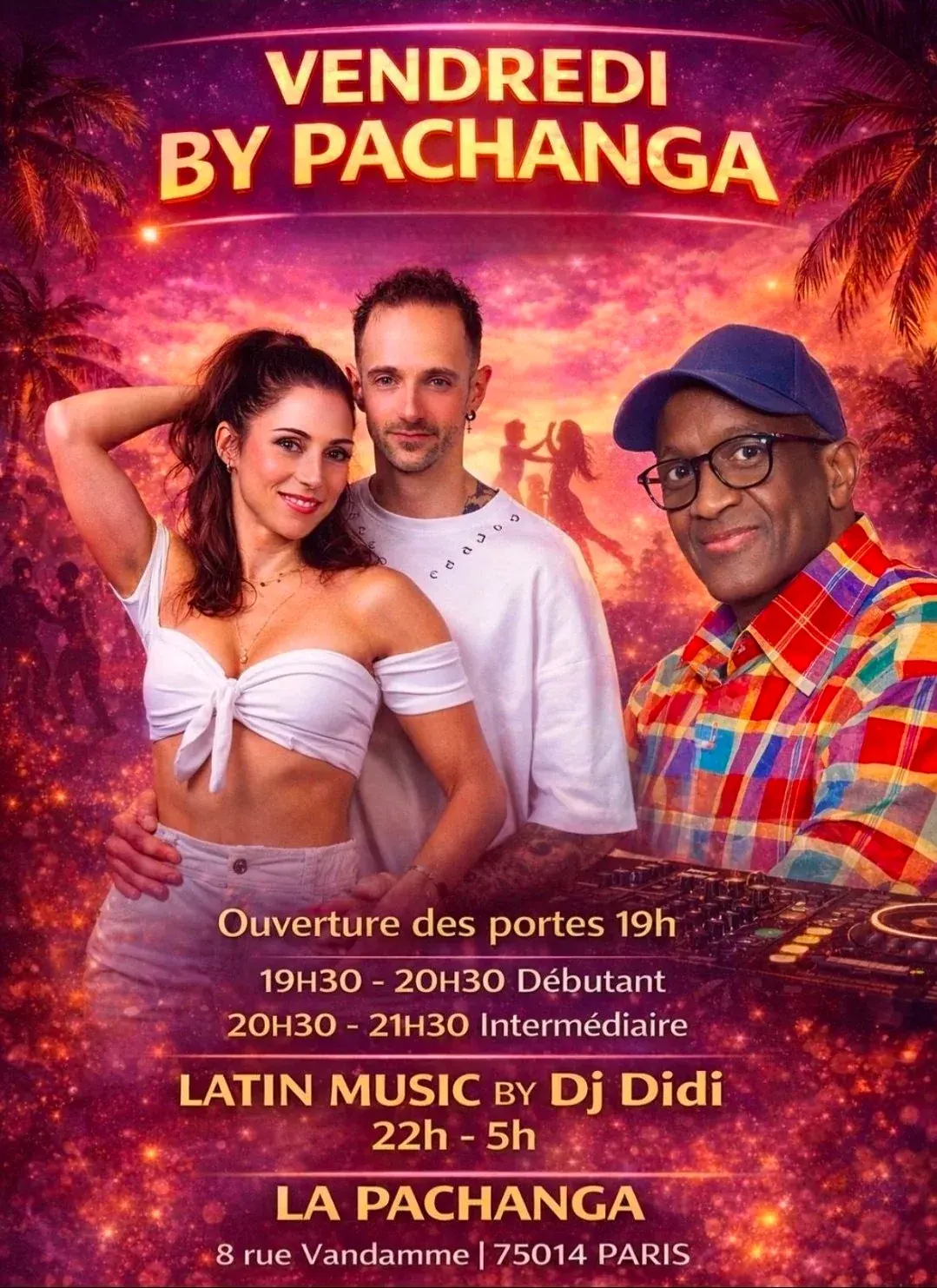
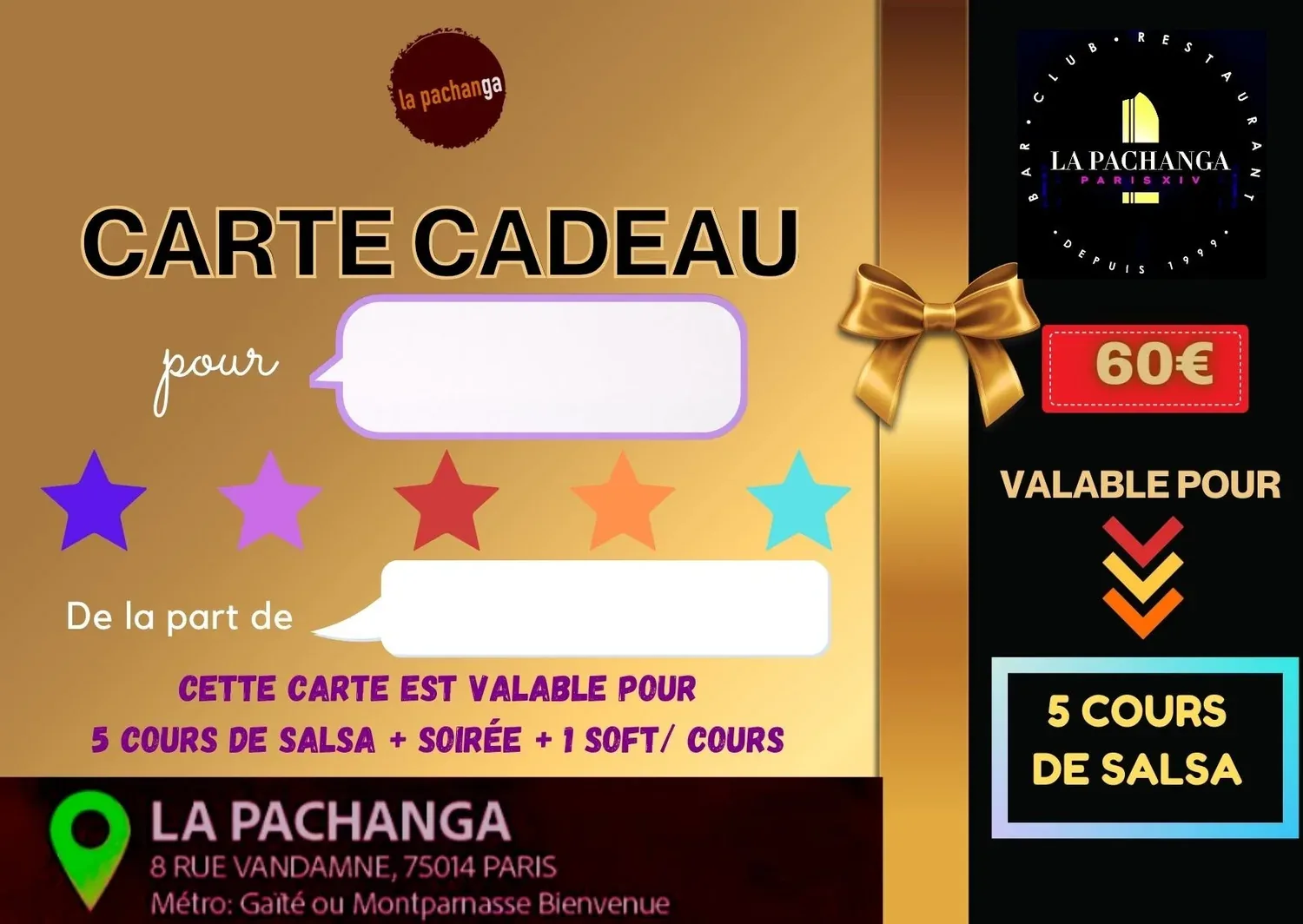
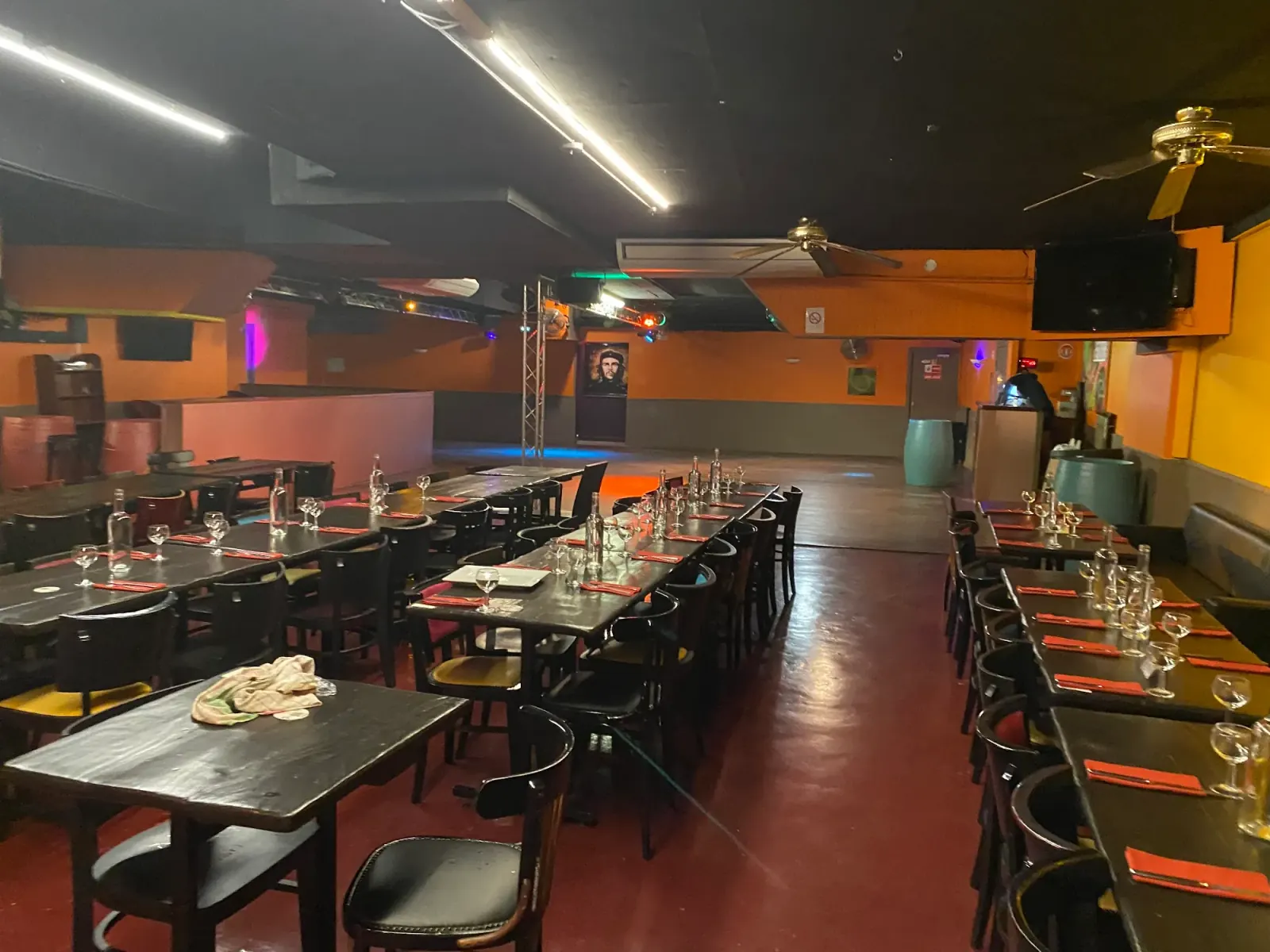
La Pachanga on Rue Vandamme in the 14th runs the most continuous SBK calendar in the city:

  • Wednesday SBK with DJ Sergio (21:30–02:00, salsa class 19:30 beginner / 20:30 advanced)
  • Thursday SBK (22:00–02:00, salsa classes 20:00 beginner / 21:00 advanced)
  • Friday SBK (21:30–02:00, bachata classes from 19:30)
  • Saturday SBK Party (21:30–02:00, salsa classes from 19:30)

Kizomba is in the rotation at all four nights. La Pachanga isn’t a kizomba-dedicated venue but it’s the most reliable SBK-format weekly anchor, and dancers who want a “default” Paris dance night often go here.

Studio and Community Socials

Beyond the headline weeklies, Paris’s kizomba community runs a heavy calendar of studio socials, school-run parties, and community events that rotate through the month. These are where the deeper Afro-French community floors happen — and where you’ll find the most traditional-leaning kizomba dancing. Check our kizomba events in Paris listing and follow local schools on Instagram for week-to-week visibility.

What Nights Are Best for Kizomba in Paris?

Here’s how a typical Paris kizomba week shakes out in 2026:

  • Monday: Quiet. Rest day in most Paris dance calendars.
  • Tuesday: Strong. Saida Kizomba at Dance In The City is the dedicated Tuesday kizomba weekly. Bachatime Vendome also runs Tuesdays if you want to double-up with bachata.
  • Wednesday: Decent. La Pachanga SBK Wednesday covers kizomba in rotation; other studio socials occasional.
  • Thursday: Peak. Four different nights running kizomba in some form — Jeudis SBK at The Station, Soirée SBK at Le Balajo, ROYAL CONNEXION ZOUK at Île du Martin Pêcheur, La Pachanga SBK Thursday.
  • Friday: Strong. La Pachanga SBK Friday; Temple of Zouk on 3rd Fridays; studio socials and school events frequent.
  • Saturday: Strong. La Pachanga SBK Saturday; community parties and studio socials most weeks. Saturday is when the Afro-French community layer peaks — events often outside central Paris, often not well-listed on standard calendars.
  • Sunday: Good. Bachata Vibe Paris at Paris Épicentre (bachata with some kizomba presence); occasional kizomba-specific studio events.

If you’re in Paris for three nights and want to maximise kizomba, prioritise Thursday (most options in one night), then build around it with Tuesday (Saida Kizomba) and Saturday (community parties if you can find them, otherwise La Pachanga).

Timing: Paris nights peak between 23:00 and 01:30. Most events start with classes at 19:30–20:00 and run to 02:00. Reset Spanish expectations — Paris peaks earlier than Madrid but later than Berlin or London.

Traditional Kizomba vs Urban Kiz: The Paris Mix

Paris is the best city in the world for seeing traditional kizomba and urban kiz coexist on a single floor. Practical notes:

  • Traditional kizomba emphasises connection, walking patterns, and musicality. It’s the form danced at community-anchored nights, heavily at Afro-French community events, and increasingly reclaimed at studio socials as the global conversation has shifted. The DJ at a traditional-leaning night will play Paulo Flores, Yuri da Cunha, and classic Angolan kizomba alongside Cape Verdean coladeira-adjacent tracks.
  • Urban kiz is the Paris-and-Lisbon-developed stylised form with sharper footwork, body isolations, dramatic pauses, and a playlist that includes electronic-backed ghetto zouk and remixed French hip-hop alongside kizomba. It’s the form that dominated festival stages in the 2010s and still shapes the studio pedagogy of many Paris schools.
  • The split isn’t binary. A good Paris dancer reads the song, reads the partner, and dances what fits. A traditional kizomba track calls for traditional connection; an urban kiz track opens space for stylised footwork. The best dancers move between the two without thinking.

For newer dancers, our kizomba for beginners guide covers the core technique basics, and our what is kizomba dancing explainer covers the genealogy in plain terms.

Semba and Tarraxinha

Semba and tarraxinha both appear on Paris floors, particularly at community-anchored nights. Semba is the Angolan dance that preceded kizomba (faster, more playful, separate-and-return footwork). Tarraxinha is the slower, closer offshoot that shares musical family with kizomba but has distinct movement vocabulary. If you don’t semba, step aside when a semba track plays and watch — that’s the respectful response. If you can’t tarraxinha, a traditional-kizomba connection close-frame is an acceptable fallback.

Paris regulars will often semba at community events and expect other regulars to recognise the switch. At a mixed studio night, you’ll hear less semba and more pure kizomba and urban kiz.

What Should I Expect at a Paris Kizomba Social?

Dress Code and Atmosphere

Smart-casual — Paris is a dressier dance city than Berlin or Amsterdam. Jeans and a good shirt work everywhere; club venues like Le Balajo, Temple du Swing and the 3rd-Friday events lean a touch dressier. Studio socials are more relaxed. The Afro-French community events often see slightly smarter dressing — a well-cut shirt, polished shoes, something that shows you’re taking the evening seriously. Sports kit and beach attire are out.

Cover Charge

€10–€15 at most weekly socials, often including a class. Le Balajo and the iconic venues €15–€20. Studio socials €8–€12. Drinks are Paris-priced: €6–€8 beer, €10–€14 cocktails. A full kizomba night including class, entry and drinks realistically costs €35–€50.

Asking to Dance

Direct and polite. French is the default and Paris dancers don’t switch to English as automatically as Amsterdam or Berlin — even a few French phrases build goodwill. Tu veux danser? (do you want to dance?) or on danse? (shall we dance?) work universally. Eye contact, clear invitation, extended hand.

Kizomba-Specific Etiquette

Kizomba’s close-frame dance makes partner-reading particularly important. Paris dancers are broadly excellent at this, but as always on a social floor:

  • Match your partner’s frame closeness; don’t force it.
  • Lead through your own movement, not through physical pressure on your partner.
  • Read the music — traditional connection for a traditional track, urban-kiz styling when the song opens for it, tarraxinha close-frame for tarraxinha tracks.
  • End dances cleanly. Thank-you, short step back, signal the dance is over. Don’t hold for a second song unless invited.

Our dance floor etiquette guide covers general social-floor basics.

Floors

Studio floors (Dance In The City, The Station, Salle Colonne) are excellent. Le Balajo has the classic sprung wooden floor — one of the best in the city. Club and outdoor-island floors at Île du Martin Pêcheur can be variable. Suede-soled shoes handle all surfaces.

Can I Also Dance Salsa, Bachata and Zouk in Paris?

Yes — Paris is a proper multi-style city with strong scenes in all four.

Salsa

Paris has a serious salsa scene with a visible Cuban casino contingent, LA-style, and a dedicated On2 community. For a full picture read our salsa dancing in Paris guide. Current listings: salsa events in Paris.

Bachata

Bachata is huge in Paris — comparable to kizomba on weekly floor-count, with deep sensual presence and an active festival calendar including Paris Sensual Festival 2026 (21–25 May) and Paris Bachata Vibe Festival 2026 (16–21 September). Dedicated weeklies include Bachatime Vendome at Vendôme Club (Tuesdays 22:00–02:00), Bachata Vibe Expérience at Salle Colonne (Wednesdays 22:00–02:00), Dance In The City 100% Bachata on Wednesdays, and Bachata Sensu’Halles at Les Halles de la Cartoucherie (Wednesdays 21:30 until late). Current listings: bachata events in Paris. For style context see bachata sensual vs traditional vs modern.

Brazilian Zouk

Zouk has a genuine Paris scene with heavy crossover into the kizomba community. ZOUK UNITY PARIS at Loft Lechapelais on Wednesdays (22:00–01:00, workshop 21:00–22:00), TPZ Zouk Academy at Studio Pavillon des Lions on Fridays (21:30–23:30), and the regular ROYAL CONNEXION ZOUK on Thursdays cover the dedicated weekly zouk calendar. Current listings: zouk events in Paris.

Are There Kizomba Festivals in Paris?

Paris hosts one of Europe’s richest kizomba festival calendars.

Paris Kizomba Congress 2026

Paris Kizomba Congress 2026 runs 19–23 November 2026 — the flagship Paris kizomba event, full congress format with international instructor roster, multiple rooms, performances. One of the most prestigious kizomba congresses in Europe.

Paris Kizomba Summer 9e Edition

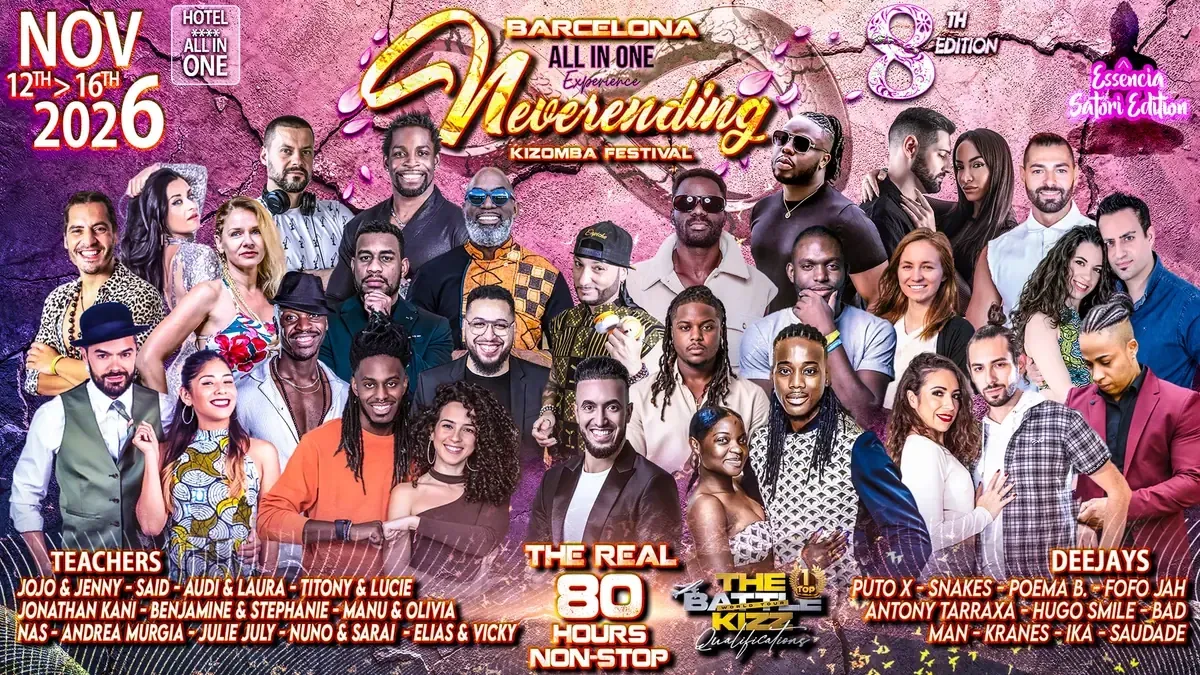
Paris Kizomba Summer 9e Ed. runs 24–27 July 2026 — the summer edition, now in its 9th year, a marathon-weekend format that’s become a fixture in the European summer kizomba calendar.

KIZMEUP Paris Festival

KIZMEUP PARIS FESTIVAL runs 28–31 May 2026 — spring kizomba weekender with a dedicated focus.

Paris International Salsa Congress (PISC) 2026

Paris International Salsa Congress (PISC) 2026 runs 7–12 April 2026 — salsa, bachata and kizomba combined, one of the longer-running multi-style congresses in the city.

For the wider European picture see best kizomba festivals 2026.

How Do I Get to Kizomba Venues in Paris?

Paris’s metro is excellent and covers almost everywhere. The one wrinkle is the kizomba scene’s occasional event placement in the outer arrondissements or the banlieue, where metro + RER combinations or a short rideshare are sometimes needed.

  • Dance In The City by Co-Imi: Metro Chevilly-Larue / Thiais area — RER B or outer metro. Check the specific entrance (the venue lists a slightly confusing address).
  • Le Balajo (Bastille): Metro Bastille (lines 1, 5, 8). Dead central.
  • The Station: Depends on venue; check current address.
  • La Pachanga (14th arrondissement): Metro Pernety (line 13) or Gaîté (line 13), short walk.
  • Île du Martin Pêcheur: Located on an island on the Marne, east of central Paris. Best by RER A to Joinville-le-Pont or by rideshare — not metro-accessible without transfers.
  • Temple du Swing: Check current venue location.
  • Vendôme Club (2nd arrondissement): Metro Opéra (lines 3, 7, 8), dead central.
  • Salle Colonne: Metro depending on address; check current listing.

Paris metro runs until around 01:15 Sunday–Thursday and 02:15 Friday and Saturday. Since kizomba nights often continue to 02:00, Friday and Saturday late service helps; weeknights you’ll likely need rideshare home. Uber, Bolt and G7 taxis are available and typically €10–€20 cross-city. The N-series Noctilien night buses cover the main routes between 00:30 and 05:30.

The interactive map has a Paris view for visualising venue clusters.

Where Should I Stay If I’m Visiting to Dance?

  • Bastille / 11th arrondissement: Near Le Balajo and well-connected by metro to everywhere. Classic choice.
  • 2nd / 9th (Opéra area): Central, walkable to Vendôme Club and several other venues, good metro access.
  • Marais (3rd/4th): Beautiful, central, walkable to multiple venues by metro.
  • 14th / Montparnasse: Near La Pachanga, quieter, good for a weekend built around multiple La Pachanga nights.
  • Avoid: Far-out suburbs, La Défense (business district, sterile in evening), and anywhere requiring more than two metro transfers to central venues.

Tips for Visiting Kizomba Dancers

  • Check our kizomba events in Paris listing before heading out — monthly events (Temple of Zouk, community parties) shift dates, and the studio circuit has weekly updates
  • Thursday is the peak kizomba night. Four different events with kizomba presence — make this your anchor night
  • Saida Kizomba on Tuesday is the dedicated heads’ night. Smaller but the most kizomba-focused floor of the week
  • Learn a few French phrases. Paris dancers appreciate the effort — on danse?, merci beaucoup, j’ai beaucoup aimé (I really enjoyed it)
  • Dress a notch smarter than Berlin or Amsterdam. Paris is a dressier dance city, particularly the iconic venues
  • Read your partner’s frame closely. Kizomba and urban kiz both reward the dancer who reads connection well; they punish the dancer who forces frame
  • Traditional vs urban kiz — let the song decide. Don’t default to one style regardless of what’s playing
  • Combine with Lisbon. A short flight separates the two essential European kizomba cities, and the contrast is educational. Read kizomba dancing in Lisbon if you’re planning the pairing
  • Eurostar puts you in London in 2h15m. A Paris-London dance week is legitimate — read our salsa dancing in London and bachata events in London listings
  • The festival calendar is the richest in Europe. If you can time your visit to Paris Kizomba Congress, KIZMEUP, or Paris Kizomba Summer, the payoff is one of the best festival weekends available anywhere in the world

Find Events

Browse the current kizomba events in Paris, bachata events in Paris, salsa events in Paris, and zouk events in Paris, updated weekly. If Paris is one stop on a longer trip, our how to find social dance events while traveling guide has the research workflow I use for every new city, and the interactive map helps you visualise venue clusters.

Planning a longer European loop? Read kizomba dancing in Lisbon, salsa dancing in Paris, kizomba for beginners, and what is kizomba dancing for context.

Share this guide:
Colin, Travel & City Guide Writer at Where to dance Salsa

Colin

Travel & City Guide Writer

Travel writer and salsa dancer who has researched scenes across Europe, Latin America, and North America. Colin's guides are built on firsthand visits and local contacts.

Find Events

Events are updated weekly — browse what's on now.