At a Glance
I was four months into bachata on my first dance trip to Madrid, walking into a social where I knew no one. A man caught my eye, raised his hand, and I nodded. We danced. He said “gracias,” I said it back, and he vanished. No words exchanged, yet everything was understood.
The Universal Language
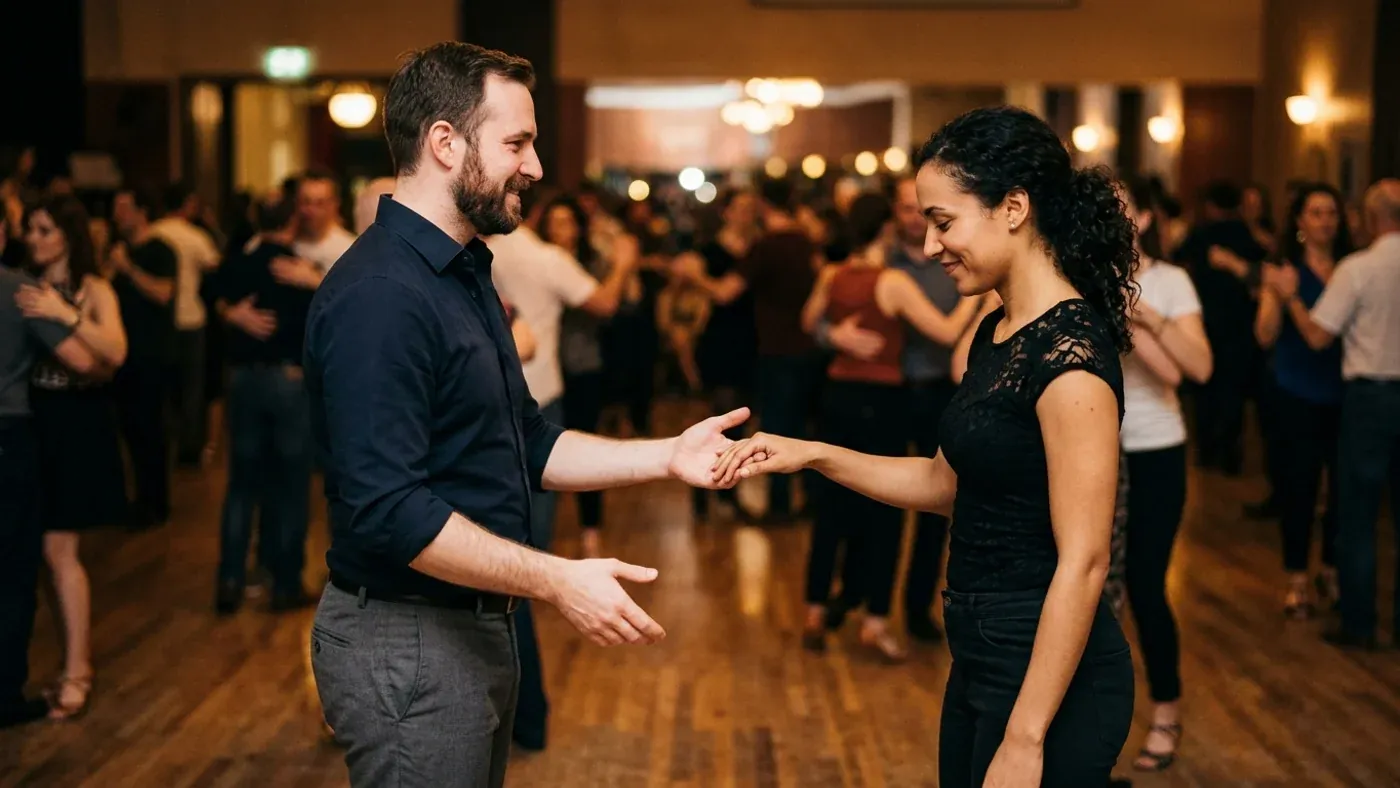
Every social dance floor runs on a silent, shared language. Master these core signals, and you can step onto a floor in Tokyo or Rome and feel fluent without speaking a word. The invitation is almost never verbal; it’s a glance held a second too long. The question is an extended hand, palm up. The answer is placing your hand in theirs.
Once on the floor, experienced dancers don’t rush into the first step. They take a beat to establish a connection, feel the music, and breathe. This small pause is a sign of respect and confidence. It says, “We’re in this together.” Only then, after the connection is made, does the first step happen. It’s a small ritual that separates the mechanical from the musical.
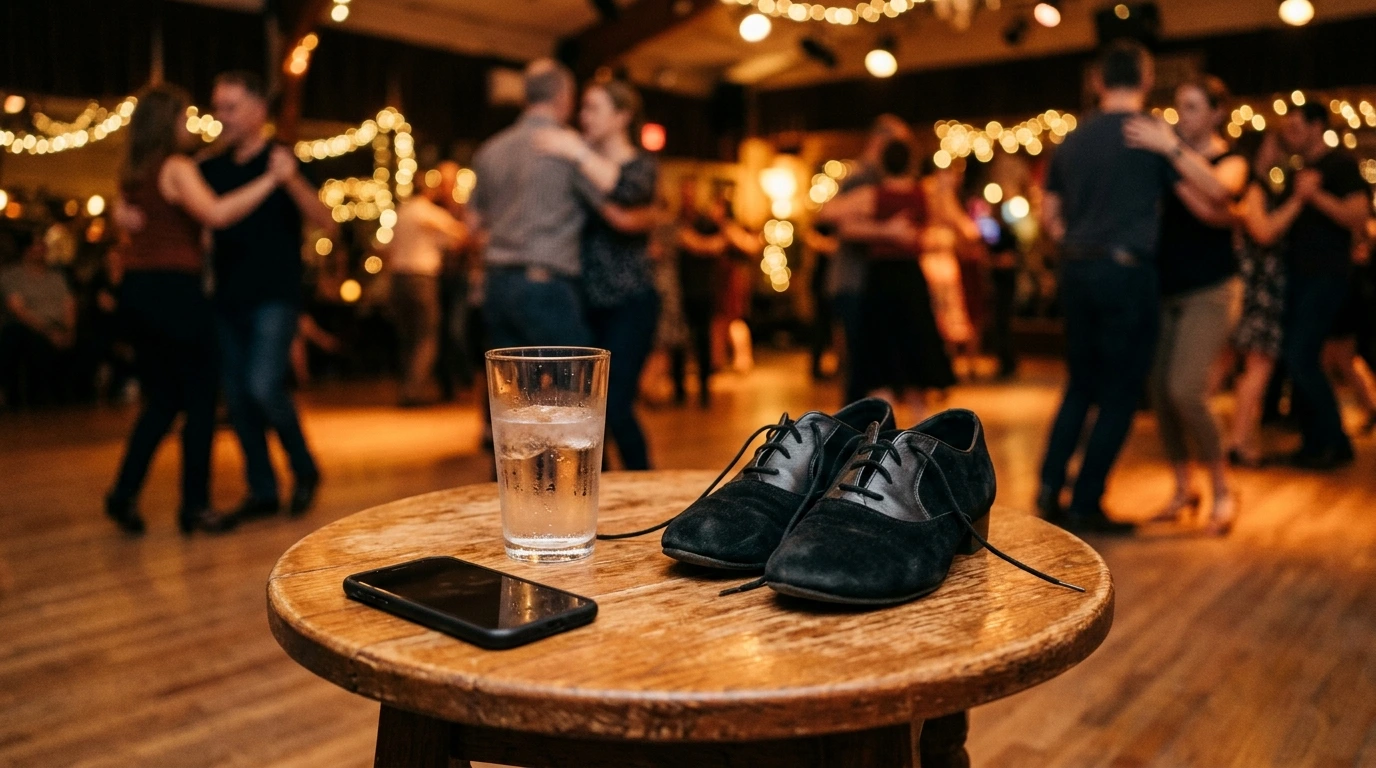
Navigating a Crowded Floor
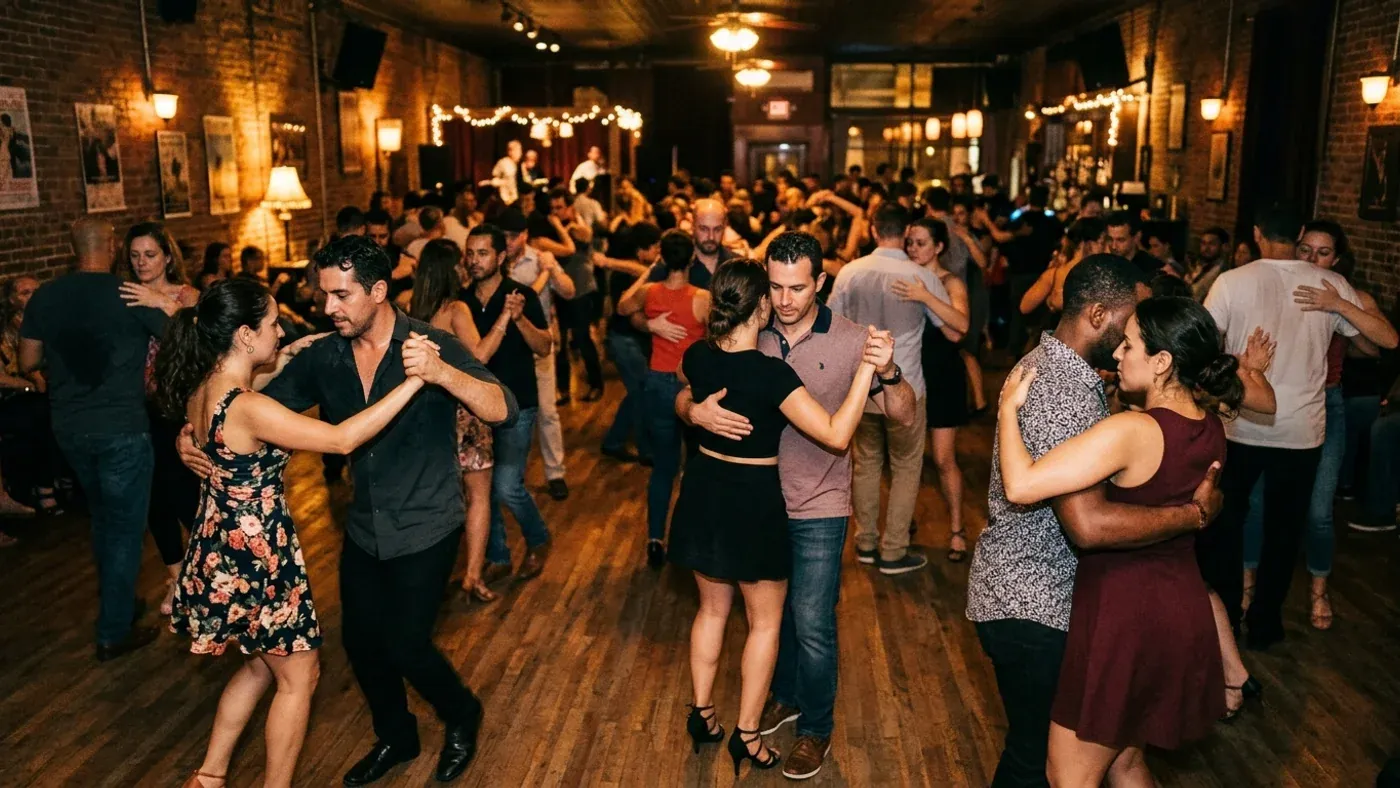
Think of a busy social as a traffic system without painted lines. In most crowded clubs, an informal counter-clockwise flow emerges around the perimeter. The first rule is to notice this current and move with it. Cutting against the grain is the fastest way to cause collisions. Your second job is to contain your dance; the fuller the room, the smaller your steps and arm movements should be.
The floor also has invisible zones. The center is often for more advanced dancers or couples staying for several songs, using intricate, in-place patterns. The edges are for traveling, rotation, and newcomers. If you’re just starting, the edges are your friend, a safer, gentler space to practice and observe. The corners, meanwhile, are for resting and conversation. Respect them as off-floor territory.
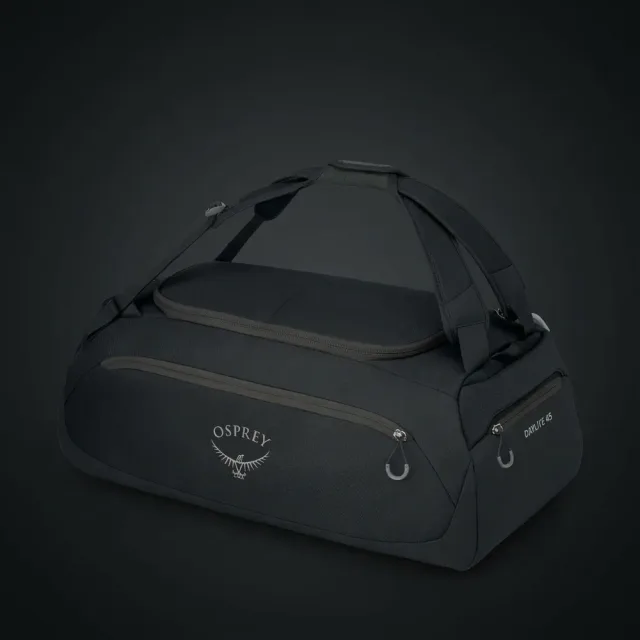
What to wear on the floor
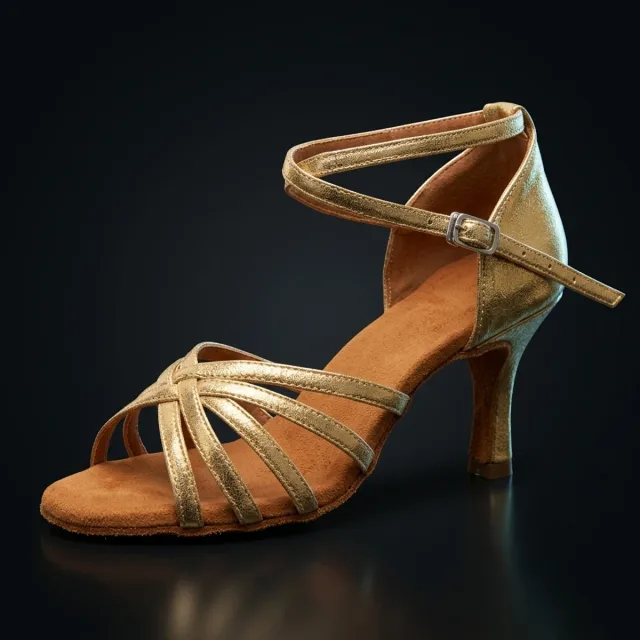
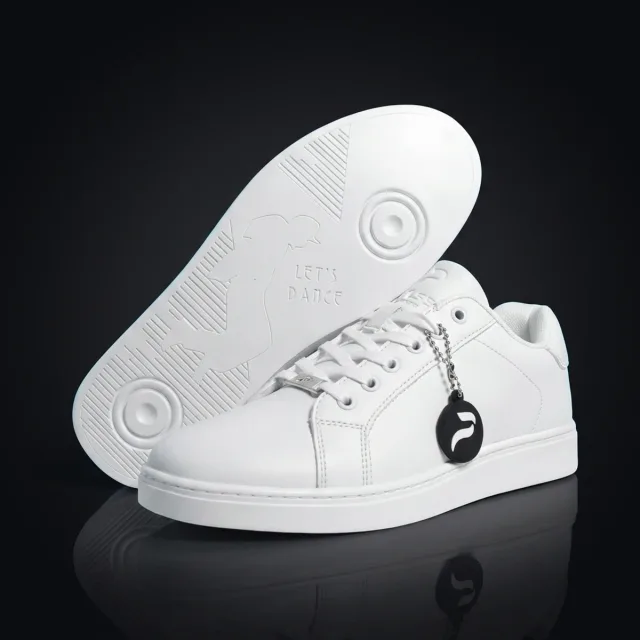

Affiliate link
The Social Rhythm of the Night
Watch a seasoned dancer between songs. They aren’t just standing still; they’re scanning the room, mapping out potential partners for the next track. This isn’t predatory, it’s efficient. It’s how you get dances. After you finish a song, stay near the floor’s edge and practice this 90-second scan. Make eye contact, see who responds, and your night will transform from passive waiting to active participation.
Most scenes run on an implicit “dance card” rule: rotate partners. Dancing one or two songs and then moving on keeps the energy high and ensures more people connect. Staying with the same partner for four or five songs in a row can signal you’re not open to dancing with others. This keeps the social pool mixed, which is the entire point of a social. For a great example of this, check out the New York salsa scene.
Style-Specific Dialects
While the core grammar is the same, every dance style has its own local accent. Salsa is a fast-paced conversation with quick partner changes, while Kizomba is a more intimate dialogue where dancing three songs with the same person is common. Understanding these nuances helps you adapt and show respect for the local culture, whether you’re in a traditional bachata club in Santo Domingo or a Zouk festival in Europe.
| Style | Rotation Speed | Vibe | Key Code |
|---|---|---|---|
| Salsa | Fast (1-2 songs) | High-energy, extroverted | A strong 'line of dance' in crowded clubs. |
| Bachata | Varies by style | Playful to intimate | Negotiating the close embrace is key in Sensual. |
| Kizomba | Slow (2-3+ songs) | Grounded, connected | The close hold is structural, not optional. |
| Zouk | Slow (often 1 long song) | Flowing, exploratory | Head movements require deep trust and are earned. |
Learning these differences is part of the journey. Our guide to Bachata styles can give you a head start.
How to Read a New Scene
Walking into a social in a new city is a traveler’s thrill. To decode the local culture quickly, use the first ten minutes to just watch. Don’t dance. Observe the flow, how people ask and decline, and how long they stay with one partner. Notice the skill level and the general vibe. This is your reconnaissance mission, and it’s essential for a good night, whether you’re in Barcelona or Berlin.
For your second ten minutes, ask one person who seems friendly and experienced. This is your calibration dance. Pay attention to their response, their hold, and how they navigate the floor. After one song, say thank you and move to the edge. By your third or fourth dance, you’ll have a solid feel for the local dialect. This simple process of observing before acting is the secret to feeling at home on any floor in the world.
These codes aren’t restrictive rules; they’re a shared framework that makes connection possible between strangers. They are what allow a room to breathe and move as one. Learn them, and you’ve got a passport to a global community, a language that will get you a dance in any city you visit.
Find a social near you