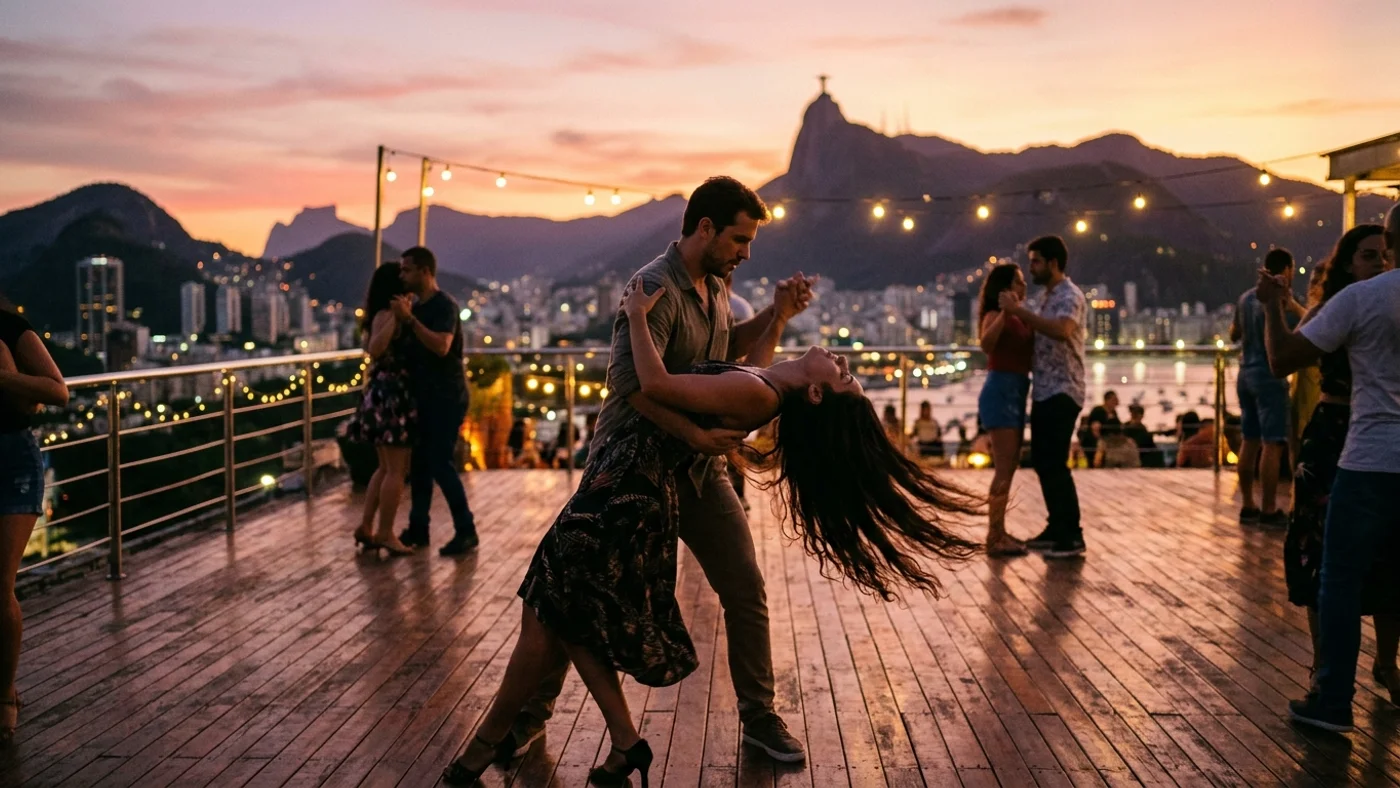
Rio de Janeiro is the spiritual home of Brazilian zouk. The dance was created here in the 1990s, renamed zouk from “lambada” in the transition, and evolved into a form that now has dedicated scenes in 40+ countries. That origin matters. Even after 30 years of global spread, the Rio scene still shapes how the dance feels — musicality-first, loose-framed, improvisational, warm, and immersed in Brazilian musical culture in a way that a Warsaw or Singapore scene cannot replicate. For any serious zouk dancer, Rio is a pilgrimage. This guide covers the reality of dancing zouk here — the neighborhoods that anchor the scene, the historic role of Niterói, the Carioca style’s distinctive musicality, and how to navigate Rio as a dance traveler.
Table of Contents
- Rio as the Spiritual Home of Brazilian Zouk
- Niterói: Where Brazilian Zouk Was Born
- Lapa and the Downtown Nightlife
- Zona Sul and the Studio Practica Scene
- Understanding Carioca Zouk Style
- Rio vs São Paulo: Why Both Matter
- A Night-by-Night Guide to Rio Zouk
- Festivals and Immersions
- What to Expect at a Rio Zouk Social
- Safety, Transport, and Logistics
- Combining Rio with Other Trips
- Find Events
- FAQ
Rio as the Spiritual Home of Brazilian Zouk
Brazilian zouk descends from lambada — the 1980s partner dance that briefly exploded globally through hits like Kaoma’s “Lambada” in 1989. When the lambada wave crested and receded, dancers in Rio (and especially Niterói) kept dancing, but transitioned the music: from lambada’s zouk-lambada tempo to Caribbean zouk (the French Antillean genre), and then eventually into Brazilian zouk — a style that used the original lambada partner vocabulary, adapted it to different music, and evolved into what we now recognize as the modern dance.
Adilio Porto, Jaime Aroxa, Josué Torres, Pasquale Farias, Renata Peçanha, and a small number of other Rio-based teachers shaped this evolution through the 1990s and early 2000s. Pasquale and his students — many of whom later taught worldwide — exported the dance from Rio to Europe, the US, and Asia. The story of modern zouk is, in a sense, the story of Rio’s dance scene globalizing. Today, you can trace nearly every lineage in international zouk — Soul Zouk, Neo-Zouk, Mzouk, Lyrical — back to teachers who studied in Rio.
That origin is still alive in the city. Walk into a Rio zouk practica and you will dance with people who trained directly with the founders, or with their students. The dance vocabulary here is not different from what you learn in Amsterdam or Los Angeles — the moves are the moves — but the feel is different. Cariocas dance less tightly to beats, more loosely in phrasing. They move with more space between partners and more sensitivity to the song’s swells and pauses. Patterns matter less; musicality matters more. This is the intangible that makes Rio essential for a dancer who wants to deepen their zouk beyond execution.
Our best zouk festivals 2026 guide covers the festival calendar globally; Rio’s own festival scene is intermittent but important when it runs.
Niterói: Where Brazilian Zouk Was Born
Niterói sits across Guanabara Bay from Rio — a 20-minute ferry ride or a 25-minute drive across the Niterói Bridge. Many foreigners treating Rio as a single destination miss Niterói entirely, but for a zouk dancer, skipping it is like skipping Spanish Harlem on a salsa trip to NYC. Niterói is where Brazilian zouk coalesced as a distinct dance, and the neighborhood of Icaraí in particular is dense with dance schools, weekly practicas, and long-running community venues.
The scene here is less polished than Zona Sul and less touristy than Lapa. It is where Rio-area zouk regulars actually train. Schools run multiple weekly practicas, and smaller dance studios and community venues host socials that do not advertise to tourists. The practical implication: without local contacts or a Portuguese-speaking friend, finding specific venues and events in Niterói can be difficult. The best entry points are:
- Ask at any Zona Sul zouk school. Rio teachers know the Niterói scene and will point you at the current week’s events.
- Come for a scheduled festival or immersion. The Rio Zouk Immersion 2026 is one of the city’s anchor events and programs access to multiple Niterói venues as part of its schedule. Structured events are the easiest way for a visitor to experience Niterói.
- Go to a known community practica. Some Niterói schools have decades-long running weekly practicas that are welcoming to respectful visitors. Once you are inside one, you will meet people who can point you to the next thing.
A visitor with five days in Rio should plan at least one or two Niterói evenings. The ferry back to Rio stops running relatively early — around 11pm in most schedules — so a Niterói night often means staying out later and Ubering back over the bridge, or staying overnight on the Niterói side (reasonable hotels exist in Icaraí).
Lapa and the Downtown Nightlife
Lapa is central Rio’s famous nightlife district — stone archways, samba clubs, chaotic weekend crowds, and a mix of live music that spans every Brazilian genre. It is not primarily a zouk district — samba and forró dominate the scene — but several venues and event spaces in and around Lapa host weekly zouk socials that have become established weeknight anchors.
Why Lapa matters for zouk: it is the easiest neighborhood in Rio for a visitor to integrate into real Carioca nightlife. Bars are dense, foot traffic is heavy, and the general atmosphere is warm and welcoming. The dance scene in Lapa is less stylistically pure than Niterói — you will not find the same depth of zouk-specific regulars — but it delivers a full Rio nightlife experience with some dancing folded in.
Specific weekly venues and nights in Lapa shift more than in European cities; check current listings on zouk events in Rio de Janeiro before planning specific nights.
One note: Lapa’s crowd density and late-night energy make it feel safer than its reputation might suggest, but the walk home from a Lapa venue is a time to be aware. Use Uber or 99 back to your accommodation rather than walking, especially past 1am.
Zona Sul and the Studio Practica Scene
Zona Sul is where most dance travelers stay — Copacabana, Ipanema, Leblon, Botafogo, Flamengo, Urca. Beach neighborhoods, higher safety, English-speaking hotels, and a concentration of dance studios that run weekly practicas and classes.
The Zona Sul zouk scene is studio-driven rather than club-driven. Dance schools across the neighborhoods host:
- Weekly practicas. Usually one or two nights per week per studio, often free or cheap for students and low-cost for drop-in visitors. Practica format: warm-up, light instruction, open practice floor, with music that rotates Carioca classics and modern zouk.
- Monthly or biweekly socials. More party-format than practica, longer hours, often with a cover charge and sometimes a live DJ or band.
- Class series for visitors. Many Rio zouk schools run private classes or small-group intensives for visiting international students. Plan 3 to 5 hours of classes into a week-long trip if you want to genuinely improve your Carioca style.
Finding specific schools and practicas in Zona Sul is easier than in Niterói because most have Instagram presences and English-friendly front desks. Ask at your hotel or at any general dance studio for recommendations — the Rio scene is well-networked, and a recommendation from one school typically covers the main weekly circuit.
Understanding Carioca Zouk Style
If you learned zouk in Europe, the US, or Asia, Rio will reshape your understanding of the dance. Here is what to expect stylistically.
Musicality first. Cariocas dance to the song, not to the count. A European or North American zouk dancer often drills specific patterns to specific tempo ranges and executes them on predictable beats. A Carioca lead listens to the song, picks up swells and pauses, and times movement to what the music actually does — not just its 2-and-4 or 1-and-3 subdivisions. Follows do the same. This can feel disorienting if you are used to counting your way through a song; you have to let go of the count and listen.
Loose frames, floating movement. The Carioca frame is less tight than a São Paulo frame or a congress-circuit frame. Partners hold each other with less tension, move with more air between them, and let the dance breathe. Body rotations happen through flow rather than through deliberate isolation. A visitor who arrives with a tight, controlled frame will feel “stiff” in Rio; adjust by loosening the connection and letting more movement pass through softer contact.
Improvisation over execution. Rio dancers pride themselves on not repeating the same pattern twice. A good lead will invent new combinations responsive to the music every song; a good follow will respond to musical surprises without needing standardized cues. This does not mean patterns are rejected — the basic vocabulary is still there — but the dance sits on top of the vocabulary rather than inside it.
Lyrical and Neo-Zouk lines. Rio’s teachers have been instrumental in developing the Lyrical (more melodic, drawn-out) and Neo-Zouk (more contemporary-music-influenced) streams of the dance. A Rio practica may play a broader music mix than you are used to — French Antillean zouk, Brazilian zouk classics, hip-hop remixes, contemporary pop slowed to zouk tempo, and occasionally lyrical R&B. The versatility is part of the training.
Body movement vocabulary is richer. Rio scenes use the full Brazilian zouk body-movement vocabulary — head rolls, body rolls, cambré (back-bend), chest circles, wave lines — in ways that are grounded in the body’s natural responsiveness to music rather than in drilled sequences. Studying this aspect of the style in Rio, with Rio teachers, is the main reason advanced dancers plan trips here.
Our best zouk cities in South America guide covers the broader regional context and how Rio fits among the continent’s top zouk destinations.
Rio vs São Paulo: Why Both Matter
A serious Brazilian zouk dancer eventually visits both Rio and São Paulo because the two cities play complementary roles in the dance’s ecosystem.
Rio delivers the soul. Musicality, improvisation, looseness, the feel-your-way-through-a-song approach, the historic lineage. Rio is where you learn to dance rather than to execute. For intermediate and advanced dancers, Rio’s gift is a change in relationship to the music.
São Paulo delivers the technique. Workshop infrastructure, congress circuits, structured teaching, pattern-precision, clean technique, tight frames. São Paulo is where you learn to execute cleanly and build a vocabulary. For beginners and early-intermediate dancers, São Paulo offers the most efficient training environment.
Combined trip itinerary. Many dancers fly into Rio for five days (Carioca-style immersion, Niterói visits, beach-city experience), then take a quick flight to São Paulo (roughly an hour and costs are cheap) for another three to five days (congress-format workshops, technical clean-up, busier schedule). The combination is the gold standard for a Brazilian zouk trip. Our zouk dancing in São Paulo guide covers the São Paulo side in depth.
If you only have time for one: choose Rio if you already have solid technique and want to deepen musicality. Choose São Paulo if you are earlier in your zouk journey and want more structured training.
A Night-by-Night Guide to Rio Zouk
The Rio zouk weekly grid shifts more than, say, Berlin’s or Barcelona’s. Schools change programming quarterly, weekly practicas pause for summer or Carnival season, and some key events run monthly or biweekly rather than weekly. What follows is the general rhythm; check zouk events in Rio de Janeiro for current specifics.
Monday-Tuesday. Quieter. Some schools run beginner classes or open practicas on these nights. Not heavy socials.
Wednesday. Picks up. Multiple Zona Sul studios run weekly zouk practicas on Wednesdays. Some Lapa venues program a Latin-mix night that includes zouk rotations.
Thursday. Stronger. More studios active, more small socials, some Niterói community events typically happen Thursdays.
Friday. Weekend energy arrives. Multiple social-format events across Zona Sul and Lapa. Niterói schools often run a big Friday-night practica or social.
Saturday. Peak night. The largest zouk socials in Rio typically run Saturday, spread between Zona Sul, Niterói, and Lapa venues. This is when the dedicated scene shows up.
Sunday. Relaxed but active. Sunday afternoon or early-evening practicas are common at dance studios. Some venues run Sunday-night socials that wrap earlier than Saturday parties.
The pattern: build around Friday-Saturday as your peak nights, add one Niterói visit during the week, plan private classes during the Monday-to-Wednesday stretch when socials are lighter. A five-to-seven-day trip is the sweet spot — enough to find the scene’s rhythm, not so long that you burn out.
Festivals and Immersions
The Rio Zouk Immersion 2026 running October 3 to November 3 is the city’s anchor event on our current calendar. Immersions differ from congress-format festivals — they are longer, more class-heavy, and structured to deepen students over weeks rather than deliver a weekend party burst. The Rio Zouk Immersion historically brings in top international instructors alongside Rio’s resident teachers, programs studio classes and practicas across Zona Sul and Niterói, and culminates in social nights that pull together visitors and locals.
Beyond the immersion format, smaller one-off workshops and monthly congress-style events happen in Rio throughout the year. Our best zouk festivals 2026 guide covers the global calendar and our festival calendar shows current listings.
Surrounding regional events — the International Zouk Congress in various locations, São Paulo’s big annual zouk congress, and dedicated zouk events in Florianópolis and other Brazilian cities — pair naturally with a Rio trip. If a festival is the centerpiece of your Brazilian trip, building travel around its specific date gets you the most concentrated learning and social density.
What to Expect at a Rio Zouk Social
Dress. Casual. Rio is a beach city and informal by default. Dancers wear comfortable clothes they can move and sweat in — light cotton, breathable fabrics, flat dance shoes or dance sneakers. Formal wear feels out of place.
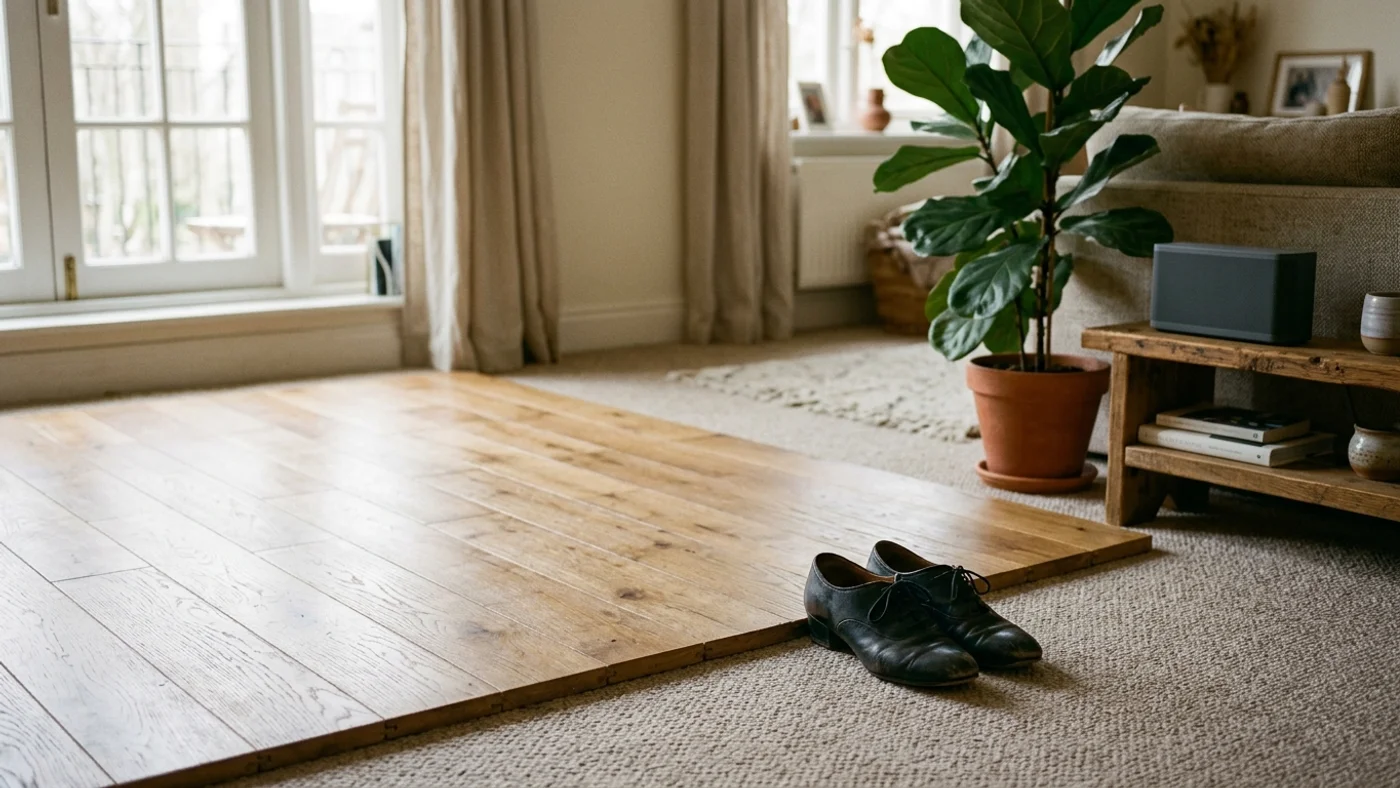
Shoes. Dance shoes or sneakers with appropriate soles for the floor. Rio venues vary — some have proper wooden floors, some have concrete or tile. Ask before the night if floor type matters for your shoes.
Asking to dance. Eye contact plus a gesture is standard. “Dança?” or “Vamos dançar?” works verbally. Most Cariocas are open to dancing with respectful visitors. A polite decline is accepted without any drama.
Dance level. Intermediate and above at studio practicas. The advanced socials can be intimidating if you are newer to zouk. Start at weekly practicas rather than at big Saturday-night socials to ease in.
Song length and rotation. Songs run 3 to 5 minutes typically. Rio DJs sometimes extend a specific favorite or let a track play to full length. One or two songs per partner is standard.
Music. A broad mix. French Antillean zouk, Brazilian zouk classics (older lambada-lineage tracks), modern zouk producers, Neo-Zouk remixes, occasional lyrical R&B and pop slowed to zouk tempo. Expect variety that you would not hear in a more pattern-focused scene.
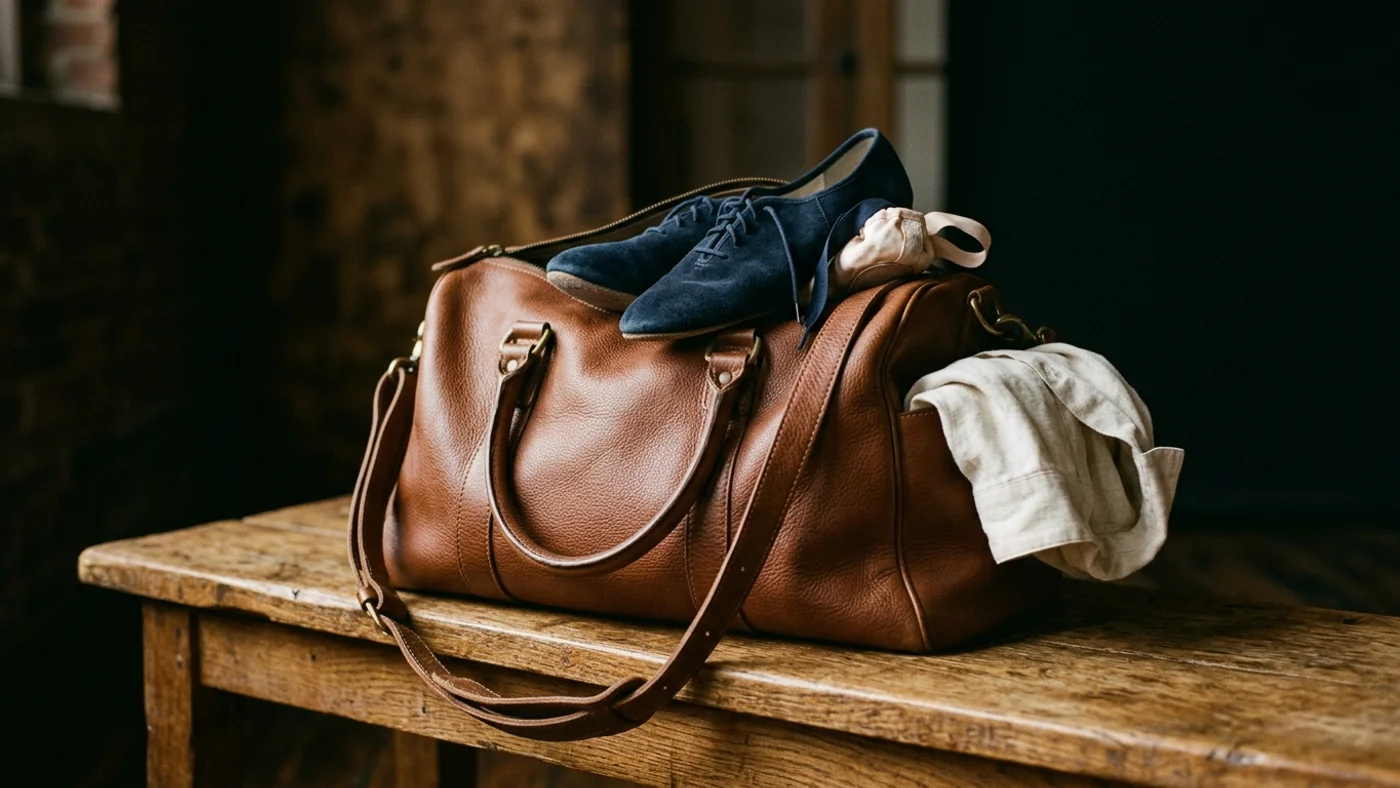
Heat and humidity. Rio is hot. Indoor venues can be sweltering. Bring a towel, change your shirt between socials, hydrate obsessively. A second shirt packed in your dance bag is a small luxury that improves a multi-hour evening.
Language. Portuguese is dominant. Some English is spoken at tourist-oriented studios but much less than in Mexico City or Miami. Basic Portuguese phrases go a long way — “obrigado/a” (thanks), “vamos dançar?” (shall we dance), “outra música?” (another song) — and Cariocas appreciate the effort. Spanish helps partially (Portuguese is Spanish-adjacent but distinct) but is not the same.
Payment. Most weekly practicas are 20 to 50 BRL (roughly 4 to 10 USD). Bigger socials run 40 to 100 BRL. Private classes from established teachers typically run 150 to 400 BRL per hour. Rio is cheap for dance-tourists by US or European standards.
Safety, Transport, and Logistics
Uber and 99. Both apps work across Rio. Use them instead of street-hailing taxis. Fares are cheap — most intra-Zona-Sul trips cost 15 to 40 BRL, Zona Sul to Niterói runs 60 to 120 BRL depending on traffic and time.
Ferry to Niterói. During the day, the Barcas ferry from Praça XV in central Rio to Niterói is cheap and pleasant. For dance nights, Uber across the Niterói Bridge is usually the better call because the ferry stops running before most socials finish.
Where to stay. Copacabana or Ipanema for first-time visitors — safe, tourist-friendly, English-speaking infrastructure, and close to Zona Sul dance studios. Botafogo and Flamengo are quieter and cheaper alternatives. Avoid Centro and staying too close to favela areas unless you have specific knowledge of the neighborhood.
Safety. Rio requires more situational awareness than most dance destinations. Do not walk with phone visible in hand. Do not wear jewelry, watches, or obvious expensive items. Carry the bare minimum cash and cards. Use hotel safes. Stick to well-lit, populated streets. Take Uber for any night-time transit outside your immediate neighborhood. Violent crime against tourists is rare in main neighborhoods; petty theft and phone snatching are the main risks.
When to go. Best weather runs May through September (drier, cooler). December through April is hot and rainy. Carnival (February or March) is spectacular but the dance scene partially pauses for the city-wide festival and prices spike.
Money. Brazilian real. Cards are widely accepted. Keep 100 to 300 BRL in cash per day for small purchases, street vendors, and ferry fares. ATMs are common but use bank-affiliated machines inside secure locations.
Health. Water should be bottled. Food at established restaurants is safe. Street food and juice bars generally safe in tourist areas.
Electricity. 127V/220V depending on neighborhood. Brazilian plugs are a specific pattern — bring an adapter.
Portuguese phrasebook. Even basic Portuguese improves the trip dramatically. “Bom dia” (good morning), “obrigado/a” (thanks), “com licença” (excuse me), “você dança?” (do you dance), “uma água por favor” (water please). Duolingo for two weeks pre-trip is well worth it.
Combining Rio with Other Trips
Rio is geographically isolated by Brazilian standards, but pairs well with several other regional dance destinations.
Rio plus São Paulo. The classic combination. One-hour flights between the two cities, and the stylistic contrast makes both trips richer. Plan five days in Rio plus four or five in São Paulo. Our zouk dancing in São Paulo guide covers São Paulo.
Rio plus Florianópolis. Floripa is a beach city in southern Brazil with its own zouk, salsa, and bachata scenes. A beach-dance trip of Rio plus Florianópolis pairs urban sophistication with southern beach energy. See salsa events in Florianópolis for the other-style scene there.
Rio plus Buenos Aires. Tango capital across a short flight. For a multi-genre South American partner-dance tour, Rio plus BA is an elegant pairing — two world-class dance cities, two entirely different partner traditions.
Rio plus Caribbean. Rio plus the Dominican Republic, Cuba, or Puerto Rico combines zouk with the salsa/bachata Caribbean circuit. Flights are longer but doable. Our bachata dancing in Santo Domingo guide covers the Dominican side.
Rio plus Portugal. Lisbon has a strong Brazilian zouk community due to the Brazilian diaspora. A Rio plus Lisbon trip connects two Portuguese-speaking zouk centers. See our best salsa cities in Europe for the broader European Latin context.
Find Events
Our zouk events in Rio de Janeiro page lists current weekly and upcoming events as venues confirm their programming. The Rio scene shifts more than European scenes, so check close to your trip date. For other styles in Brazil, see bachata events in Rio de Janeiro, salsa events in Rio de Janeiro, and our best zouk cities in South America guide. If you are planning a Brazilian trip, our zouk dancing in São Paulo guide covers the complementary São Paulo scene, and our festival calendar shows all upcoming Brazilian events. Use the interactive map to visualize venue locations around the Zona Sul and Niterói.
FAQ
Where is the best place to dance zouk in Rio de Janeiro?
Rio’s zouk scene is spread across the Zona Sul (South Zone — Copacabana, Ipanema, Botafogo), Niterói (across the bay), and Lapa (downtown nightlife district). Niterói has historically been the birthplace of Brazilian zouk and remains one of the most important scenes — the Cariocas de Niterói and the dance schools clustered around Icaraí are where the style continues to evolve. Lapa hosts weekly socials at bars and event spaces, and the Zona Sul has practicas at multiple dance studios. The specific venues and nights rotate more than in European cities, so checking zouk events in Rio de Janeiro is essential.
What makes Rio zouk different from São Paulo zouk?
Rio and São Paulo are the two major centers of Brazilian zouk, and they have distinctly different flavors. Rio (Carioca) zouk is smoother, more musical, more improvisational, and tends toward beach-city looseness — dancers prioritize feeling the song over executing a specific pattern catalog. São Paulo zouk is more technical, workshop-driven, congress-oriented, and precise. A Rio follow will do less body-rotation-by-numbers and more responsive, musical movement; a São Paulo follow will execute cleaner patterns with tighter technique. Neither is better — they complement each other, and most serious Brazilian zouk dancers spend time in both cities. Our zouk dancing in São Paulo guide covers the São Paulo side.
Is Rio a good place to learn zouk?
Yes, especially for intermediate or advanced dancers who already have a pattern base and want to develop musicality and body flow. The Rio scene is less beginner-oriented than São Paulo (which has more structured beginner-to-intermediate workshop circuits) but it is where you learn to dance with soul rather than with a syllabus. For a beginner, São Paulo may be a more efficient first trip; for a dancer with a year or two of zouk experience, Rio delivers depth that no other scene in the world matches.
Is Rio de Janeiro safe for dance travelers?
Rio requires more situational awareness than most dance destinations, but it is manageable with standard precautions. Stay in Zona Sul (Copacabana, Ipanema, Leblon, Botafogo) or nearby. Use Uber or 99 (the local app) rather than street-hailing taxis. Do not walk with obvious phones, jewelry, or expensive bags in unfamiliar areas. Nighttime movements to and from Lapa and Niterói are best done by app-ride, not on foot. Specific zouk venues are typically safe — the risk is in transit and in public areas, not in the dance community itself.
When is the best time to visit Rio for zouk?
Any time outside the most extreme hot-rainy period. Rio’s climate runs hot most of the year (above 25C / 77F), with rainier months December to April and drier cooler months May to September. For dancers who don’t love humidity, June through August delivers the best weather. The Rio zouk scene runs year-round, with festivals — the Rio Zouk Immersion is held in late year — bringing extra density around their dates. Check our festival calendar before planning around a specific event.