Salsa Dancing in Barcelona: 2026 Guide

Where to dance salsa in Barcelona — Antilla, Mojito, El Sabor Cubano, summer beach socials, festivals, and honest local scene notes from a dancer.

By Colin · · 15 min read

Barcelona is one of those cities where the salsa scene never quite matches its reputation — but that’s because its reputation is impossibly high. Between the Latin American community, the year-round warm weather, the festival circuit, and a handful of dedicated venues that have been running for decades, it’s a genuinely rewarding destination for any social dancer. This guide covers where to dance, which nights matter, how the local scene actually works, and what to expect if you’re flying in for a weekend or a week.

Table of Contents

What Is Barcelona’s Salsa Scene Actually Like?

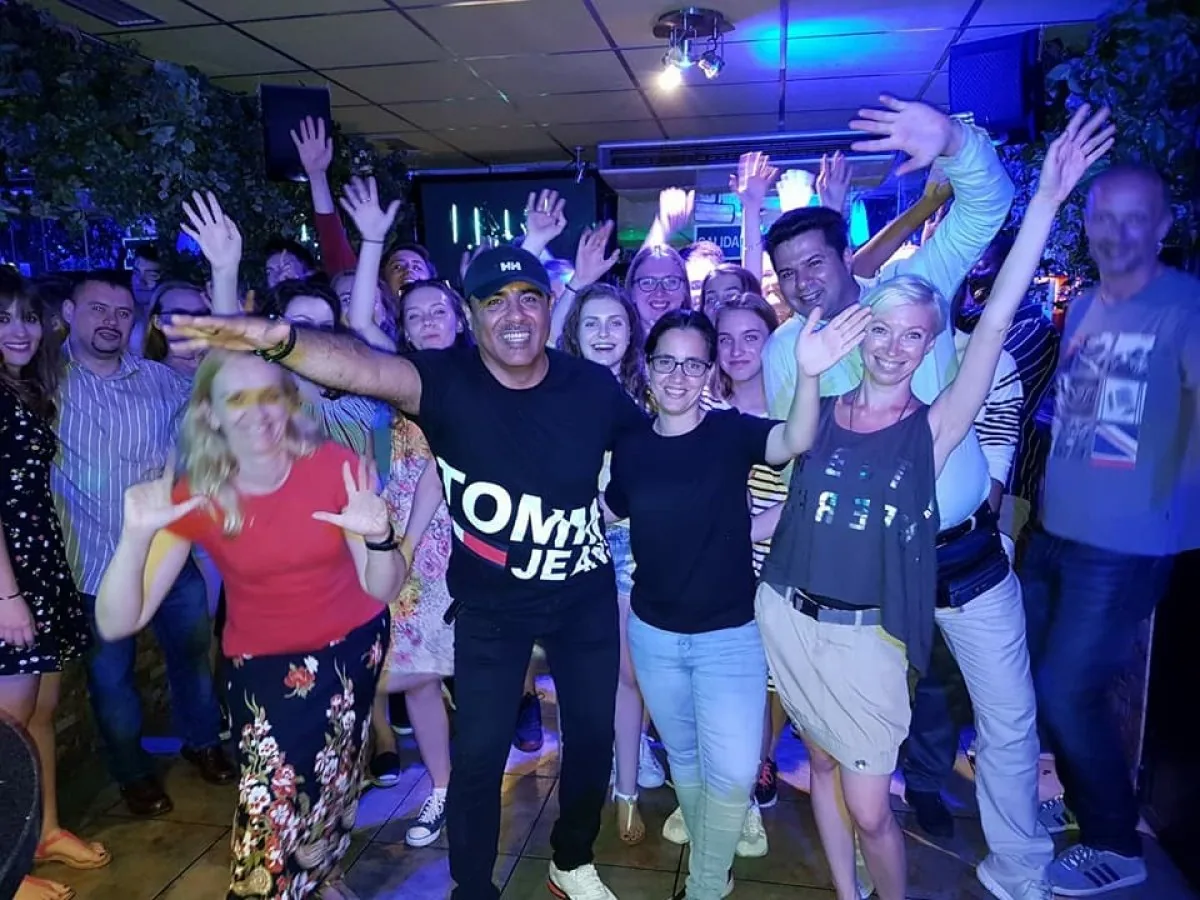
Barcelona’s salsa scene is built around a small number of dedicated venues and a surprisingly large pool of dancers — some local, many from the Latin American community, and a constant flow of visitors who treat the city as a weekend dance destination. On a Friday night at Antilla Salsa you’ll share the floor with Dominicans, Colombians, Cubans, Catalan locals who grew up dancing, and a rotating cast of Northern European dancers on a long weekend. It’s a specific flavour you don’t quite get in Madrid (denser, more Spanish) or Berlin (more international, more studio-trained).

The scene’s backbone is the Latin American diaspora. Barcelona has one of the largest Latin populations in Europe, and that shows up on the dance floor in a way that other cities can only fake. Cuban salsa — casino, with its circular geometry and grounded step — has a genuine grassroots presence here, not just as a workshop offering. You’ll also find LA-style and New York-style linear salsa, but Cuban is what gives the city its accent.

One honest observation: Barcelona is not a “salsa-every-night-in-multiple-venues” city the way Madrid is. The reliable, deep floors happen at three or four venues on three or four nights a week. Outside those windows, the scene thins out. If you’re on a three-day trip, plan around those nights and you’ll dance as much as you can handle. If you’re looking for midweek chaos, Madrid is a better bet — but you can always hop the AVE train.

Where Can I Dance Salsa in Barcelona?

These are the venues I’d point a visiting dancer towards first. All are verified and active in 2026, and all run dedicated salsa or salsa-heavy nights.

Antilla Salsa

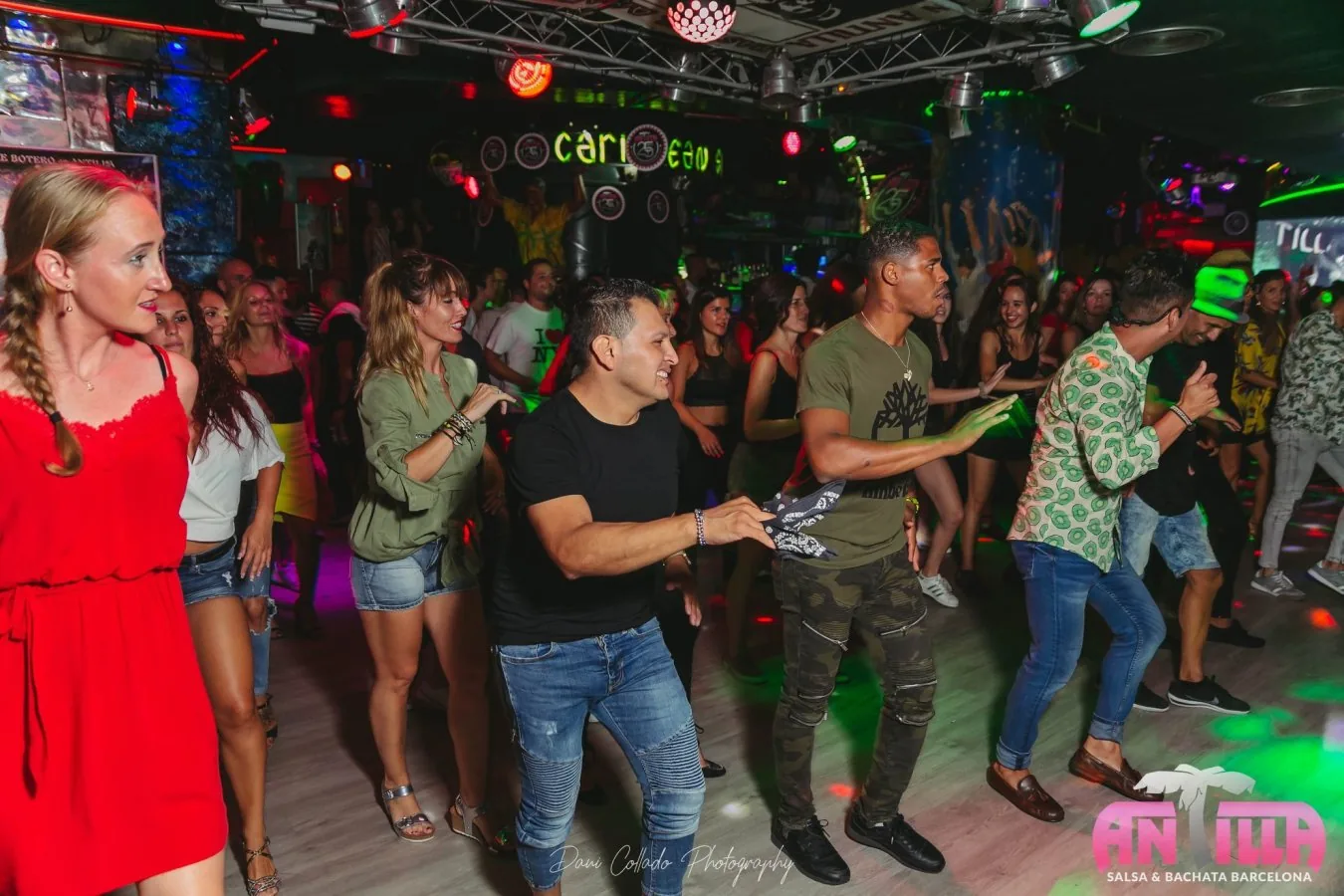
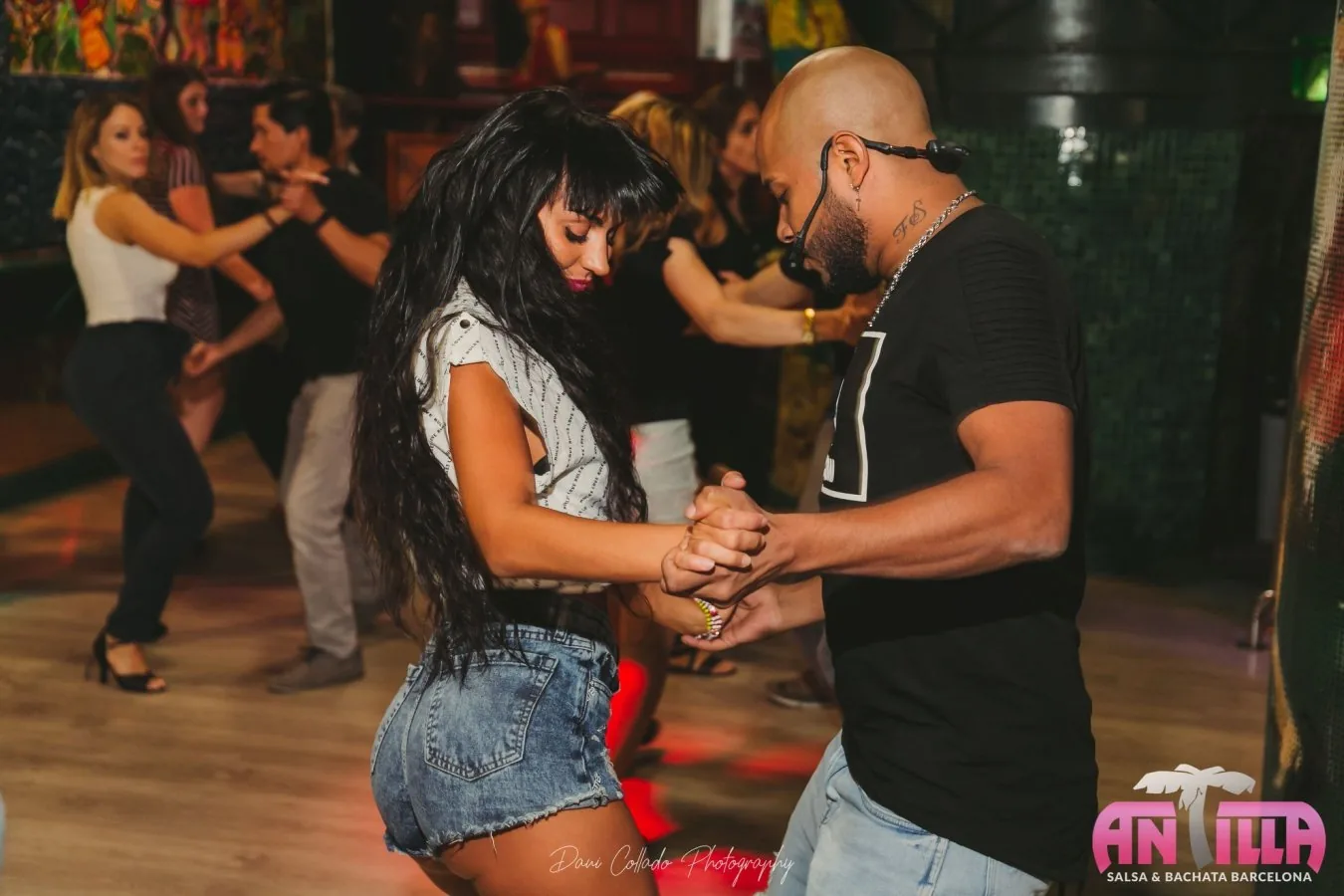
Antilla Salsa is the grande dame of the Barcelona salsa scene. Located in Sants-Montjuïc at Carrer d’Alcolea 100, it has been running Latin nights for decades and remains the single most reliable place to dance salsa in the city. The club runs Latin Dance Nights Wednesday, Thursday, Friday, Saturday and Sunday, typically from 23:00 until around 05:00. Expect a real club atmosphere — dim lighting, proper sound, a mix of salsa and bachata on the playlist, and a crowd that spans locals, expats, tourists and Latin American regulars.

Antilla’s strength is consistency. You can fly into Barcelona on a Thursday evening, drop your bag at your hotel, and know that by midnight you’ll be dancing. The floor gets properly busy on Friday and Saturday — so busy that floor craft matters. Keep your moves compact, don’t attempt any big patterns you wouldn’t try on a crowded Tuesday, and you’ll be fine. Entry is typically €10–€15.

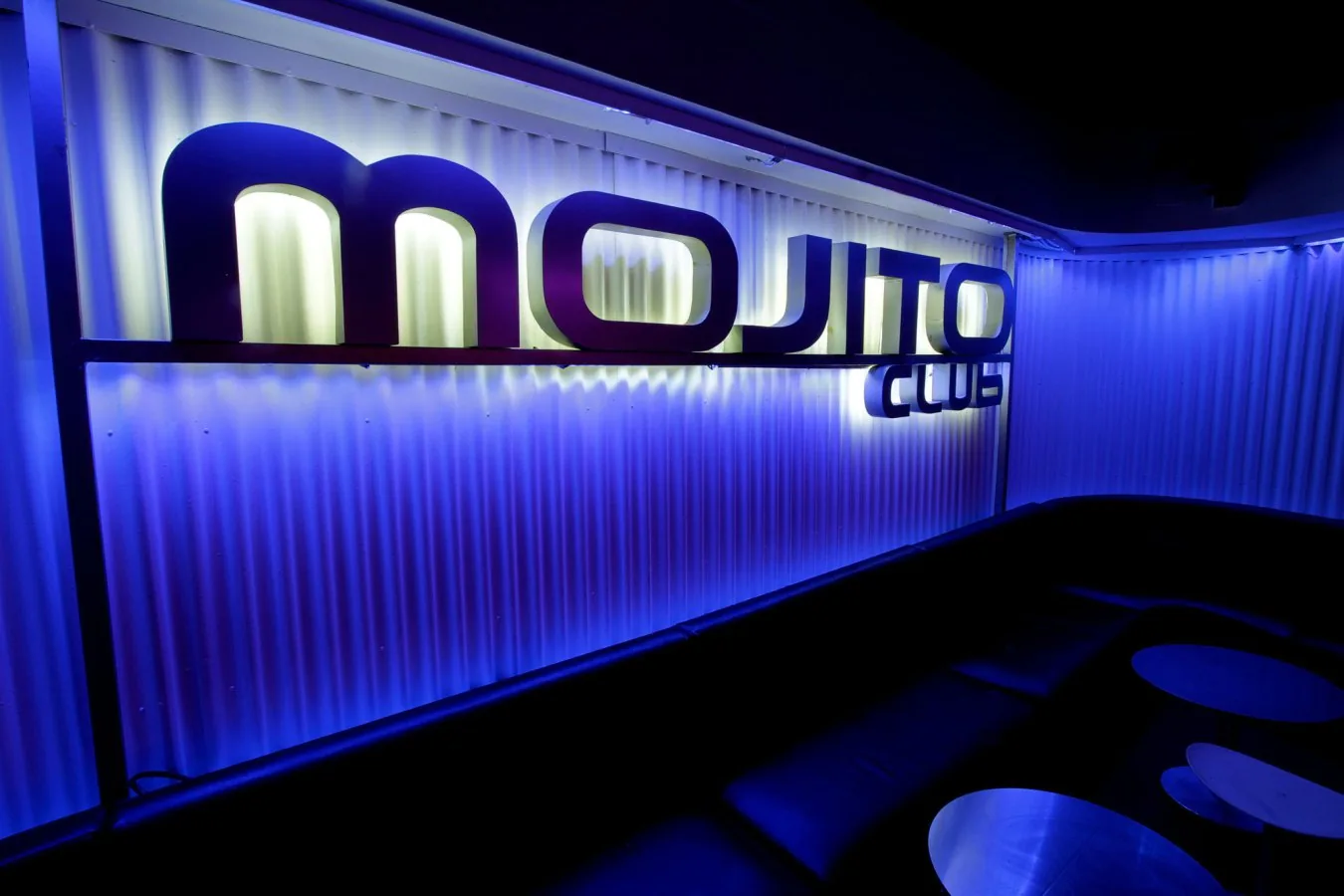
Mojito Club

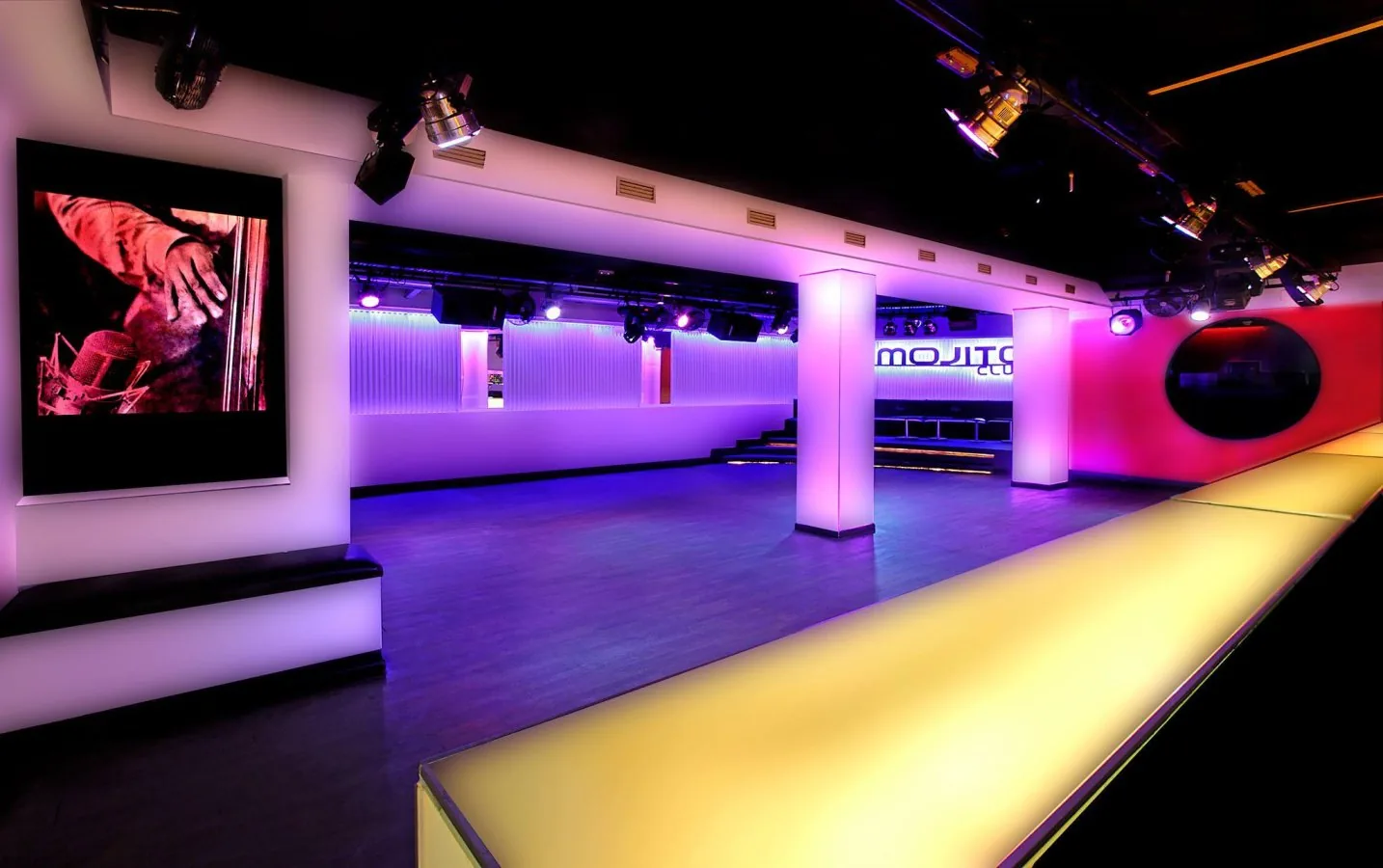
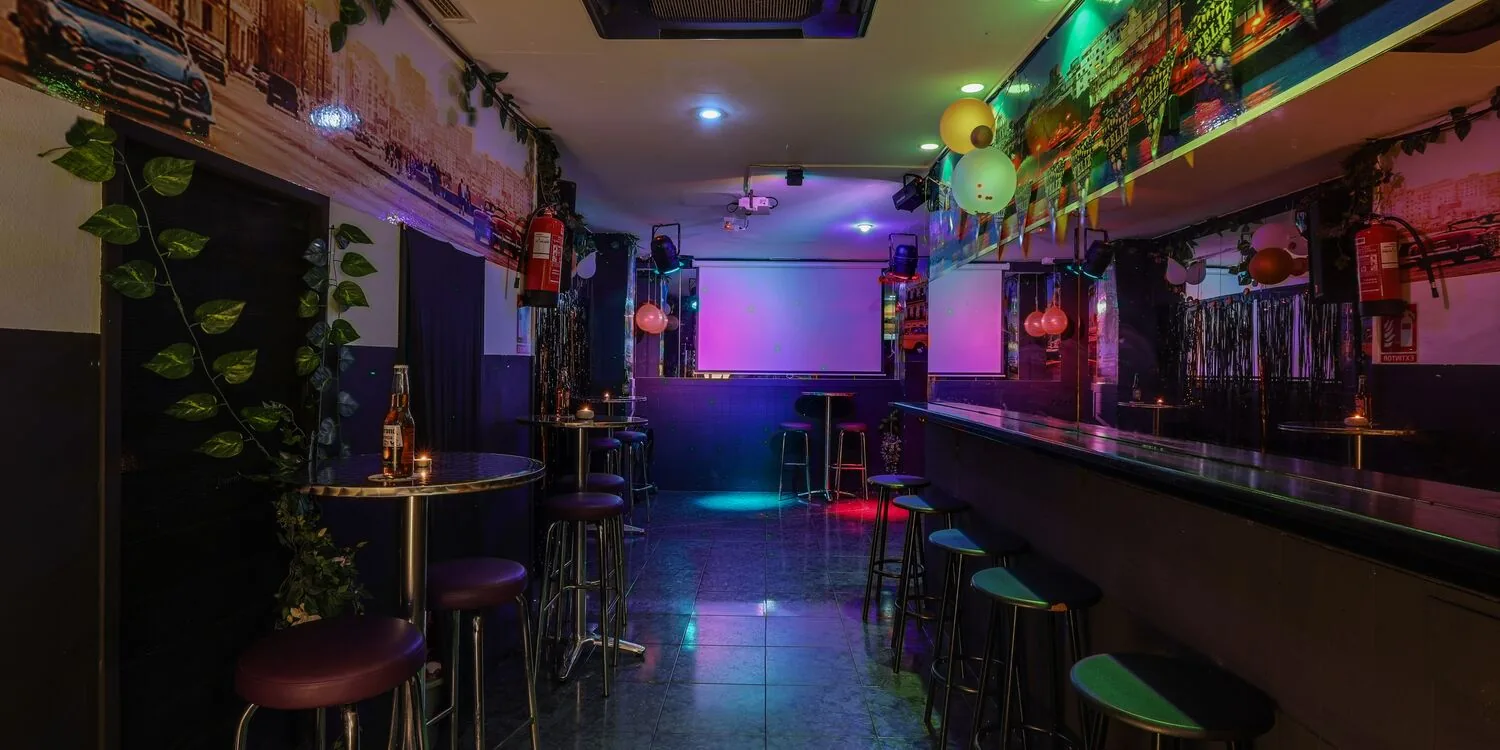
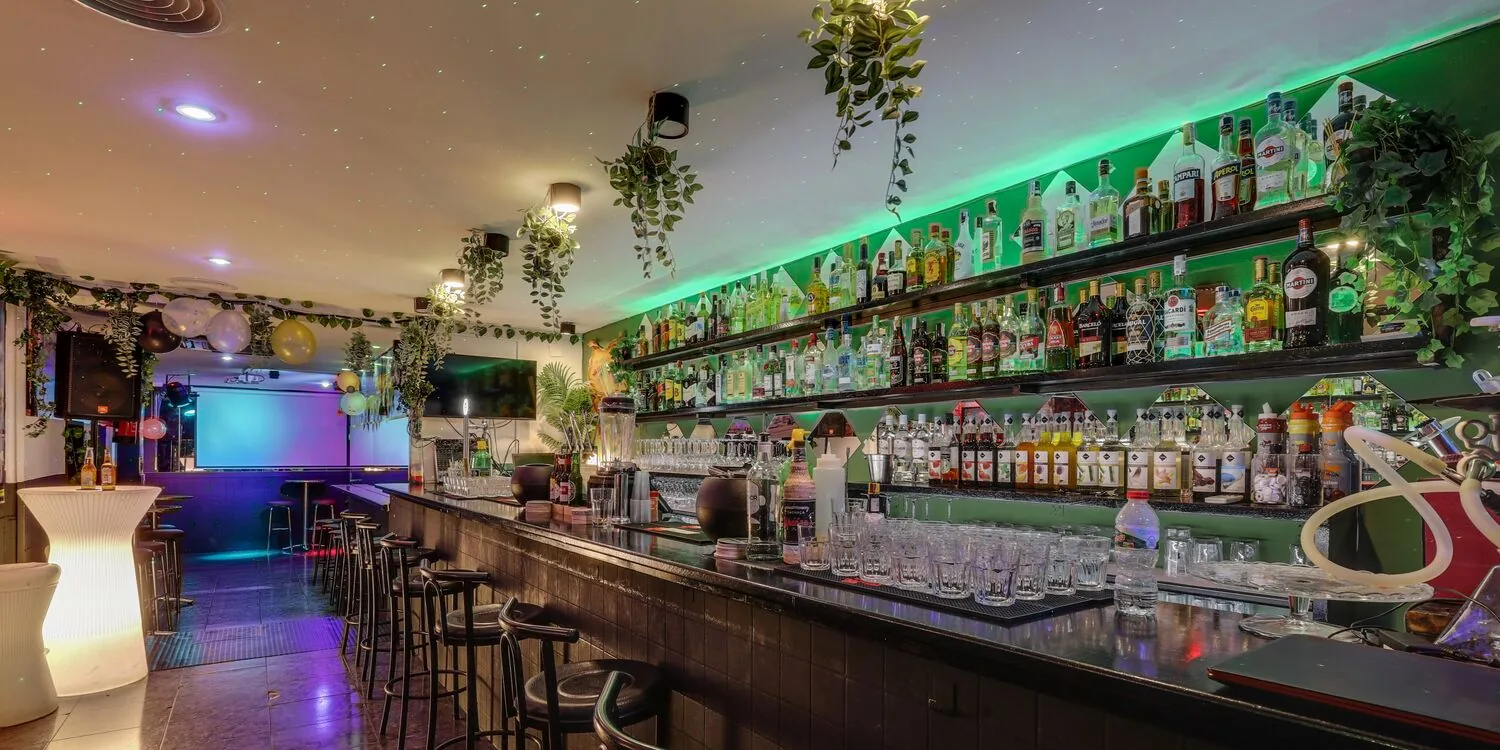
Mojito Club is the other pillar of the central scene — a Latin-dedicated club with a similar format to Antilla but a slightly more tourist-leaning crowd. Latin Nights run Thursday, Friday, Saturday and Sunday from 23:00, and the playlist is a salsa-bachata-reggaeton mix typical of Spanish Latin clubs. Mojito can feel more party and less “dedicated dance community” than Antilla on certain nights, but the floor is large, the DJs know the music, and when it’s on, it’s genuinely excellent. I’ve ended up at Mojito after Antilla on more than one Saturday night when Antilla started thinning out at 03:00 — a useful second-base in the rotation.

El Sabor Cubano

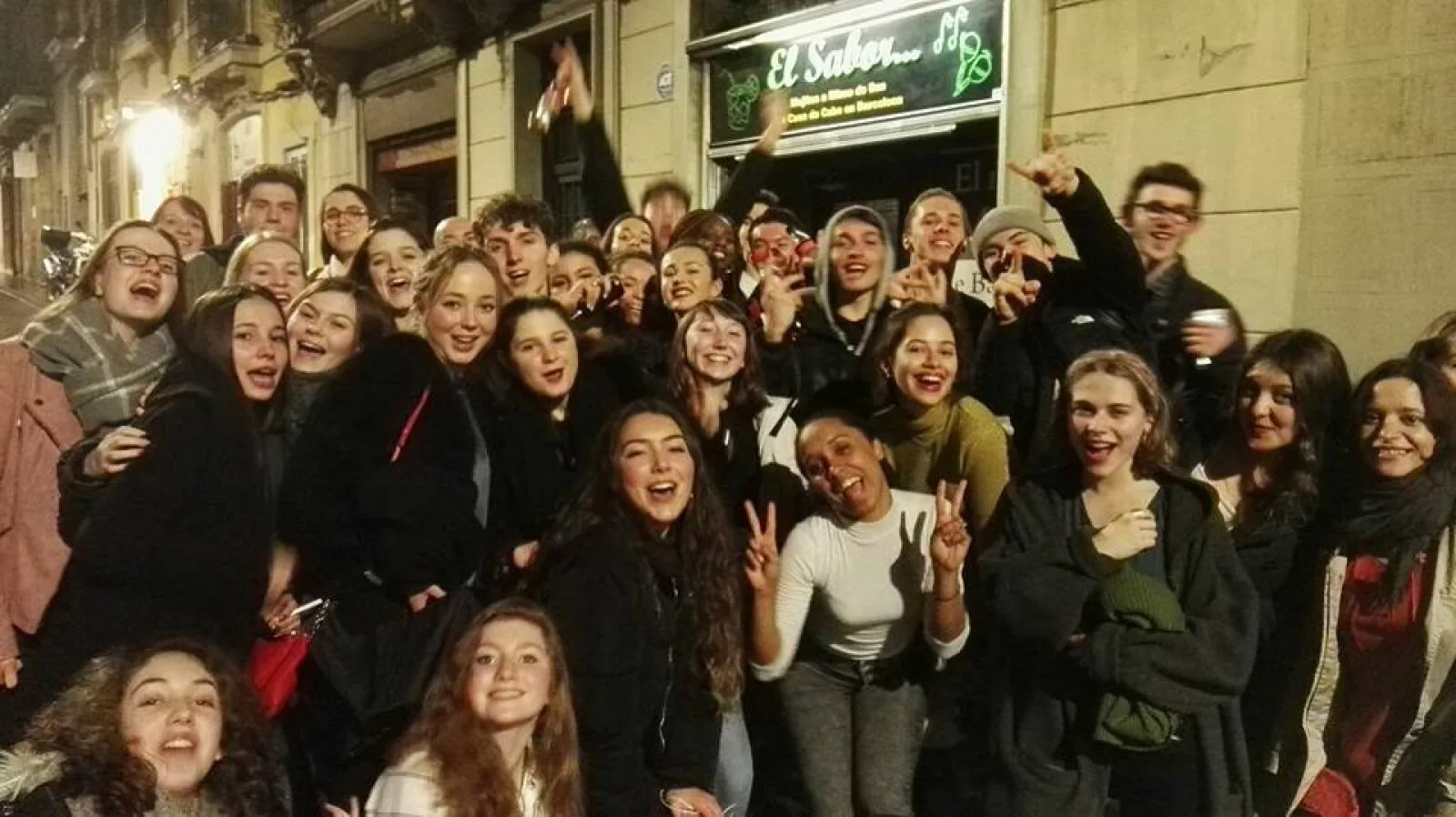
El Sabor Cubano in Gràcia (Carrer de Francisco Giner 32) is the neighbourhood-feeling alternative to the bigger clubs. It runs a Daily Latin Social effectively seven nights a week from around 21:00, with free workshops and free entry on most nights. The space is smaller, the crowd is more regular-heavy (which is a compliment), and the Cuban influence is strong — you’ll find more casino danced here than at the big clubs, and the DJs lean more towards traditional salsa cubana rather than commercial mixes.

If you’ve only got a Monday or a Tuesday in Barcelona, El Sabor Cubano is basically your only option for a proper salsa social, and it’s a good one. Don’t expect a packed dance floor on a weeknight — expect a friendly, low-key room where the regulars know each other and newcomers get folded in quickly.

Bigger Picture

Beyond those three, Barcelona has a rotating cast of studio socials, one-off event nights, and outdoor summer socials run by various organisers. These don’t have the same week-in, week-out reliability as the venues above, so for up-to-the-week coverage browse the current listings on our salsa events in Barcelona page. If you’re also open to bachata, the city has a deeper weekly calendar on that side, which I cover below.

What Nights Are Best for Salsa in Barcelona?

Here’s how a typical Barcelona week shakes out for a dancer in 2026:

  • Monday: Quiet. El Sabor Cubano is your best bet for a low-key Cuban-flavoured evening.
  • Tuesday: Also quiet. Same answer.
  • Wednesday: Antilla Salsa runs Latin Dance Nights. Midweek dancers and regulars — a good vibe without the tourist density of the weekend.
  • Thursday: Antilla and Mojito both running. The scene starts to wake up for the weekend.
  • Friday: Peak. Antilla, Mojito, El Sabor Cubano all active. Floors fill after midnight. This is the night to build a trip around.
  • Saturday: Also peak. Similar to Friday but with a higher proportion of visitors and party-goers.
  • Sunday: Still strong. Antilla, Mojito and El Sabor Cubano all run Sunday Latin nights — a uniquely Spanish feature that Northern European cities rarely match. Great for visitors flying out on Monday.

If you’re only in Barcelona for two nights, aim for Friday and Saturday. If you have three, add Sunday or Thursday. If you have four or more and want a genuine local feel, slot a weekday night at El Sabor Cubano into the mix.

One important habit: nothing starts early in Barcelona. Showing up at 22:00 will put you in an empty room. Expect to arrive between 23:00 and midnight, dance until 03:00 or later, and eat a kebab on the walk home. Adjust your dinner accordingly — Catalans eat late for a reason, and so should you.

Cuban, LA, or Something Else? Styles on the Floor

Barcelona’s dance floors are style-mixed in a way that can surprise dancers from more purist scenes. In a single hour at Antilla you’ll see casino danced in a circle, linear LA-style slot dancing, On2 enthusiasts from the international crowd, and a fair amount of what you’d kindly call “street salsa” from the Latin American community — loose, musical, improvised, and often better than the studio stuff if you can follow it.

If you’re coming from a Cuban salsa background, you’ll feel at home. If you dance linear On1 or On2, bring your compact patterns — the floor rewards controlled turns and punishes large slots, especially at the weekend. If you’re still figuring out which style you prefer, our guide to Cuban salsa vs LA style vs NY style covers the differences in plain English and will help you read the floor.

Worth noting: the DJs in Barcelona lean heavily on classic and timba tracks, with plenty of bachata breaks. If you’ve spent time in a sensual-bachata-heavy scene like Madrid or Paris, the music here can feel more traditional, which is part of the charm.

What Should I Expect at a Barcelona Salsa Social?

Dress Code and Atmosphere

Smart-casual, not fancy. Jeans and a nice shirt work everywhere. Women often dance in heels but flats and dance sneakers are equally common. Don’t show up in beach gear — Barcelona is a beach city but the clubs have standards, and bouncers at the bigger venues will turn away flip-flops and tank tops. Our dance floor etiquette guide covers the basics if this is your first proper club social.

Cover Charge

Expect €10–€15 at Antilla and Mojito, usually including a first drink. El Sabor Cubano is typically free with free workshops. Weekend events or special parties can run up to €20. Compared to Paris or London, Barcelona is affordable.

Asking to Dance

The culture is physical and direct — you ask, they say yes or no, you move on either way. Don’t overthink it. Language-wise, Spanish is the default, but English is widely spoken and a smile communicates everything you need. A few words of Spanish — ¿Bailas? is the universal invitation — will earn you goodwill.

The “Sticky Foot” Problem

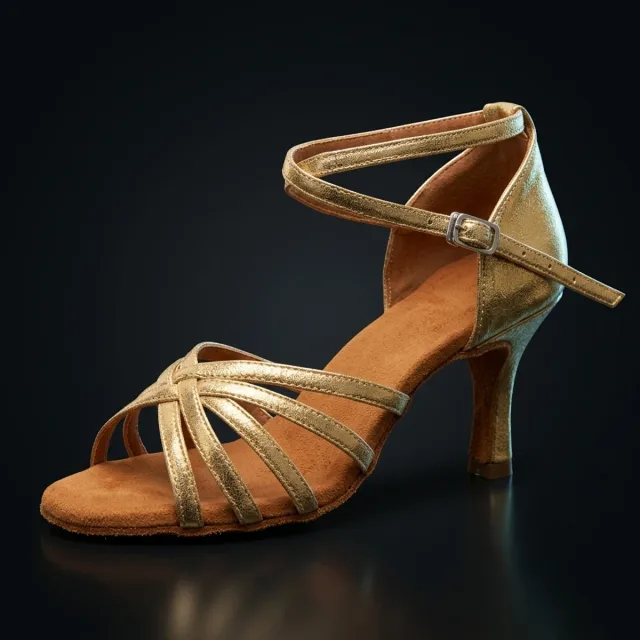
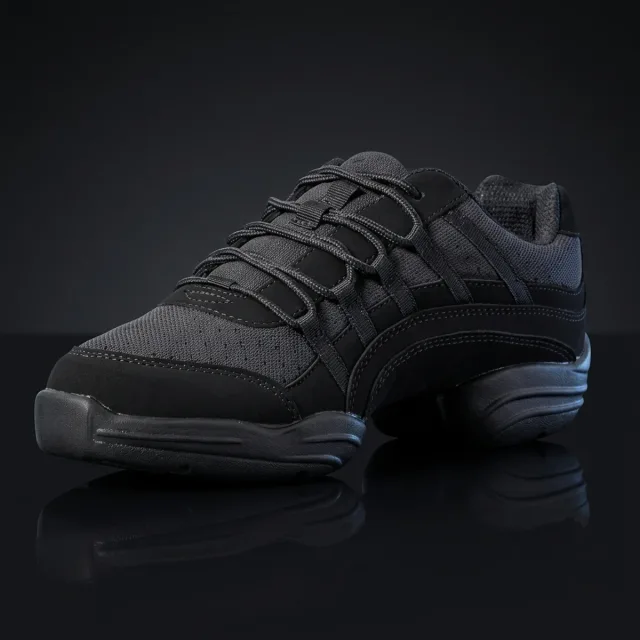
One practical note: the floors at Antilla and Mojito can get sticky when the club is packed and the drinks are flowing. This is the biggest reason to bring proper dance shoes rather than street shoes. Suede-soled shoes pivot through the stickiness; rubber-soled sneakers turn into glue. If you don’t have dance shoes yet, our best salsa dancing shoes guide covers what actually works.

Can I Also Dance Bachata and Kizomba in Barcelona?

Yes to both, with a significant caveat on volume.

Bachata

Bachata is genuinely massive in Barcelona — arguably bigger than salsa on a weekly basis if you include the studio scene. Most of the salsa venues above play a heavy bachata rotation, and there are dedicated bachata nights across the city every week. The Dominican community keeps traditional bachata alive, while the Spanish-born Sensual Bachata lineage (which started in Cadiz, not Barcelona, but took root here early) dominates the studio scene. If you’re a bachata-first dancer, Barcelona is one of Europe’s best destinations — see our best cities for bachata in Europe ranking for the full picture. Current listings: bachata events in Barcelona.

Kizomba

Kizomba is smaller but present. Barcelona doesn’t have the same kizomba depth as Lisbon or even Paris, but you’ll find weekly socials and a community of serious dancers who mostly come from the Portuguese-speaking African diaspora and from the broader European kizomba circuit. Current listings: kizomba events in Barcelona. If you’re new to the dance, our kizomba for beginners guide will get you oriented.

Summer on the Beach and Outdoor Socials

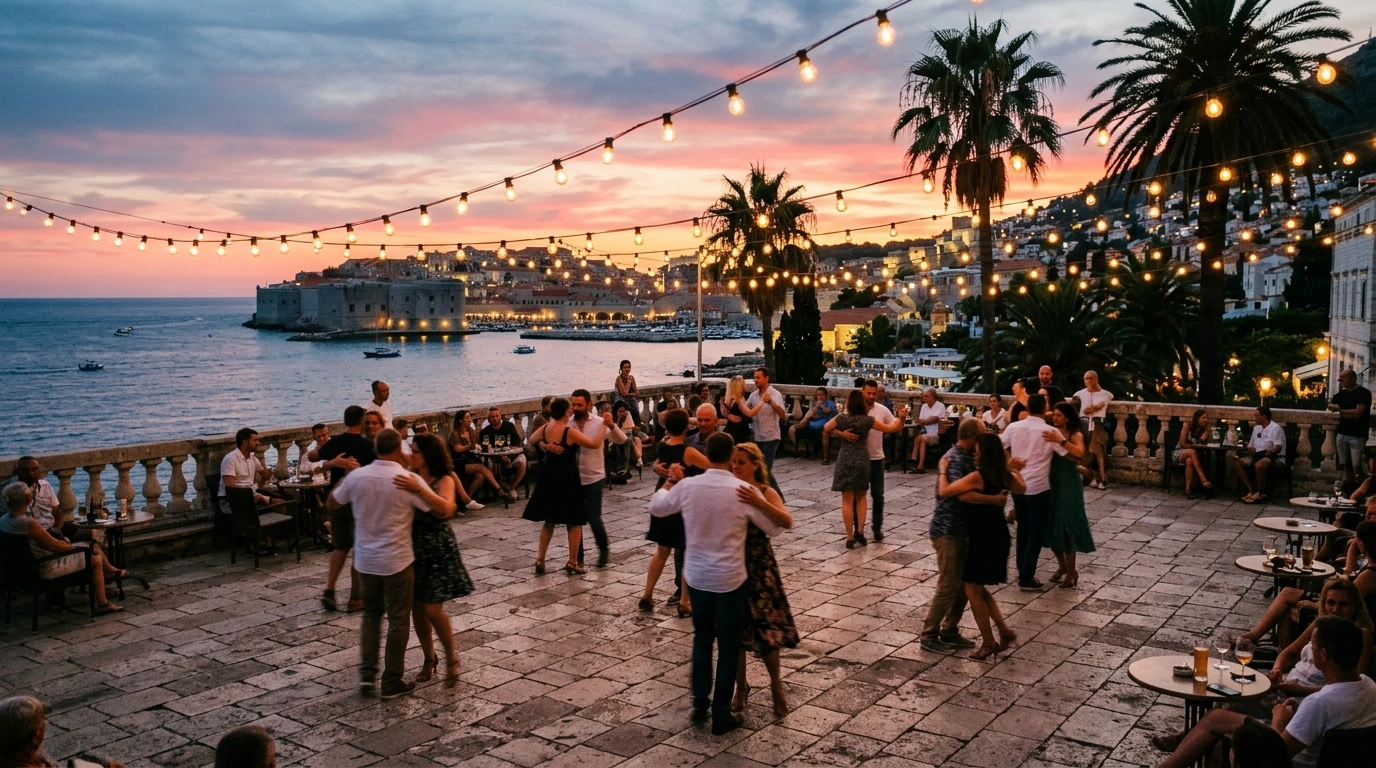
This is where Barcelona genuinely separates itself from the rest of Europe. From roughly late May through September, the city runs outdoor Latin socials at various locations — beachside spots near Barceloneta, plaza socials in the old town, and rooftop events organised by the major schools. These aren’t always listed on mainstream event calendars, and they shift week to week, but the atmosphere — dancing salsa on warm sand or a breezy terrace at sunset — is unmatched in Europe.

The downside: these events are more event-driven than venue-driven, which means you can’t just show up at a fixed address on a fixed night. You need to follow the Barcelona Latin dance schools’ Instagram accounts and check our salsa events in Barcelona listing regularly. If you’re planning a summer trip specifically for the outdoor angle, July and August are peak — though note that August is also when some indoor venues quiet down due to the general Spanish summer slowdown. Shoulder season (late May, June, early September) gives you both outdoor heat and indoor consistency, which is the sweet spot.

If summer beach dancing is your priority, also consider pairing Barcelona with our guide to the best warm-weather winter salsa escapes for the off-season version of the same idea.

Are There Salsa and Bachata Festivals in Barcelona?

Barcelona is a serious festival city, especially on the bachata side. A few that matter in 2026:

Esencia Paradise 2026 Bachata Festival

Esencia Paradise Bachata Festival runs 30 April–4 May 2026 and is one of the larger bachata weekenders in Southern Europe. Workshops with international instructors, multi-room social dancing until the early morning, performances — the standard congress format but with Barcelona’s particular flavour. Worth building a trip around if your dates line up.

For the full rolling picture of European festivals, check our festival calendar and the best summer salsa festivals in Europe 2026 roundup.

How Do I Get to Salsa Venues in Barcelona?

Barcelona’s metro is cheap, extensive, and generally reliable. The three main salsa venues break down as follows:

  • Antilla Salsa (Sants-Montjuïc): Metro L1 to Rocafort or L3/L5 to Sants Estació. The walk from Rocafort is about 10 minutes. Buses are an option too.
  • Mojito Club (central): Easily walkable from most city-centre hotels; Metro L1 or L3 covers it.
  • El Sabor Cubano (Gràcia): Metro L3 to Fontana or Lesseps, short walk. Gràcia is also a lovely neighbourhood to wander before or after dancing.

The key operational detail: the Barcelona metro runs late but not all night. It typically closes around 00:00 Sunday–Thursday and around 02:00 on Friday. Saturday night the metro runs 24 hours. Since Latin nights in Barcelona regularly continue until 04:00 or 05:00, you’ll often need a taxi or a rideshare home on weeknights. Uber, Bolt and Cabify all operate; a cross-city ride is typically €10–€15.

A bike is also a real option — Barcelona is reasonably flat and the Bicing city-bike system works well — though cycling home from a dance night at 04:00 after a few drinks is an acquired taste.

For visualising where the venues sit relative to each other and your accommodation, our interactive world map has a useful Barcelona view.

Where Should I Stay If I’m Visiting to Dance?

A quick practical note for visiting dancers: the three core venues are spread out (Sants for Antilla, central for Mojito, Gràcia for El Sabor Cubano), so no single neighbourhood is perfect. That said, staying in Eixample — the grid-patterned central district — puts you roughly equidistant to all three, with good transport links and an endless supply of restaurants and tapas bars for pre-dance fuel.

El Born and the Gothic Quarter are touristy but walkable to Mojito Club and within a reasonable taxi of the others. Gràcia is more residential and quieter, but means you’re on top of El Sabor Cubano, which is useful if you want a low-key weeknight rhythm. Avoid booking right on La Rambla — it’s noisy, overpriced, and the nightlife mix down there is more tourist bar than dancer-friendly.

Tips for Visiting Dancers

  • Check our salsa events in Barcelona listing before heading out — venue nights occasionally shift and summer brings a lot of one-off outdoor events
  • Bring proper dance shoes. Barcelona floors can get sticky at the big weekend clubs. Suede soles make a real difference
  • Eat late. Catalans don’t start dinner before 21:00. If you eat at 19:00 you’ll be hungry again by the time the floor fills
  • Cash is useful but not essential. Most venues take card, but some of the smaller outdoor socials and studio events are cash-only
  • Don’t over-schedule. Three dance nights in a week is plenty. The city has beaches, tapas, architecture, and mountains — build in a rest day
  • Learn ten words of Spanish. ¿Bailas? (do you dance?), gracias, otra canción (another song). The effort is appreciated and usually returned
  • If a regular asks you to dance early in the night, say yes. Barcelona regulars scope the floor early and your dance card will fill faster if you’ve already had a good song with someone connected
  • August is a mixed bag. Outdoor events peak, but some indoor venues take breaks. Check in advance
  • The train to Madrid is three hours. If you have a week, a Barcelona-Madrid loop is arguably the best salsa and bachata week available in Europe. Our best salsa dance weekends in Europe roundup covers pairings like this

Find Events

Browse the current salsa events in Barcelona and bachata events in Barcelona, updated weekly. For kizomba, see kizomba events in Barcelona. If Barcelona is one stop on a longer trip, our how to find social dance events while traveling guide has the research workflow I use for every new city, and the interactive map is useful for visualising where events cluster.

Planning a Madrid leg as well? Read salsa dancing in Madrid. Curious about the Paris scene? Try salsa dancing in Paris.

Share this guide:
Colin, Travel & City Guide Writer at Where to dance Salsa

Colin

Travel & City Guide Writer

Travel writer and salsa dancer who has researched scenes across Europe, Latin America, and North America. Colin's guides are built on firsthand visits and local contacts.

Find Events

Events are updated weekly — browse what's on now.