Salsa Dancing in Madrid: 2026 Guide

Where to dance salsa in Madrid — Azúcar, The Host, Temple, Mambo Swing, plus festivals, Colombian-flavoured nights and honest local notes from a dancer.

By Colin · · 14 min read

Madrid is the densest salsa city in Europe. That is not a claim I make lightly — I’ve spent dance weekends in London, Paris, Berlin, Barcelona, Milan, and half a dozen smaller scenes, and none of them match Madrid for sheer seven-nights-a-week volume. The combination of the Spanish sensual lineage, a very large Colombian and Dominican community, cheap drinks, late nights, and a critical mass of serious dancers who have been on the floor for a decade or more makes Madrid something special. This guide is how I’d explain the city to a dancer friend visiting for three to seven days.

Table of Contents

What Is Madrid’s Salsa Scene Like?

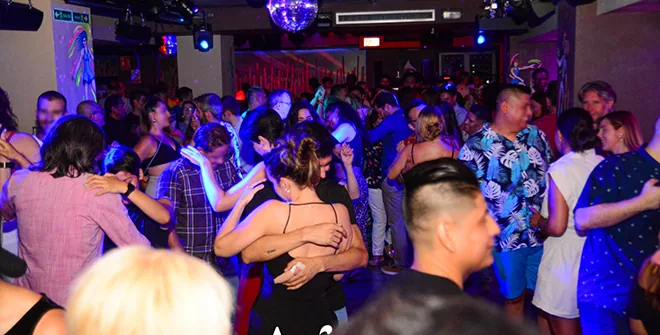
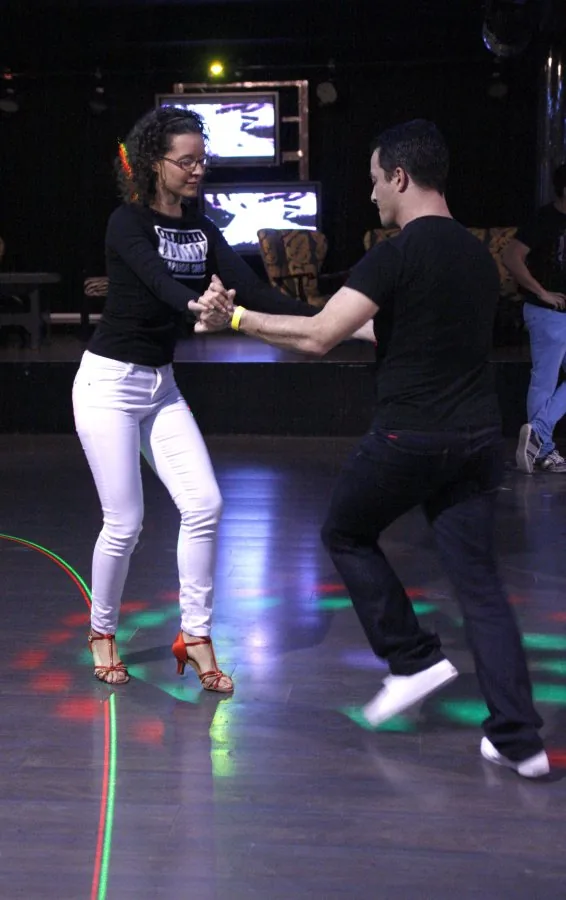
Madrid’s salsa scene runs on a mix that you won’t find anywhere else in Europe. The Spanish component — the studio-trained, technically sharp, sensual-bachata-adjacent scene that produced Korke and Judith and effectively re-exported Latin dance back to Latin America — is fused with a huge, deeply rooted Colombian and Dominican community that has been dancing cumbia, salsa caleña and Dominican bachata in Madrid for thirty years. Those two communities overlap on the same dance floors on a Friday night at Azúcar Salsa Disco, and the result is a mix that genuinely feels different from anywhere else.

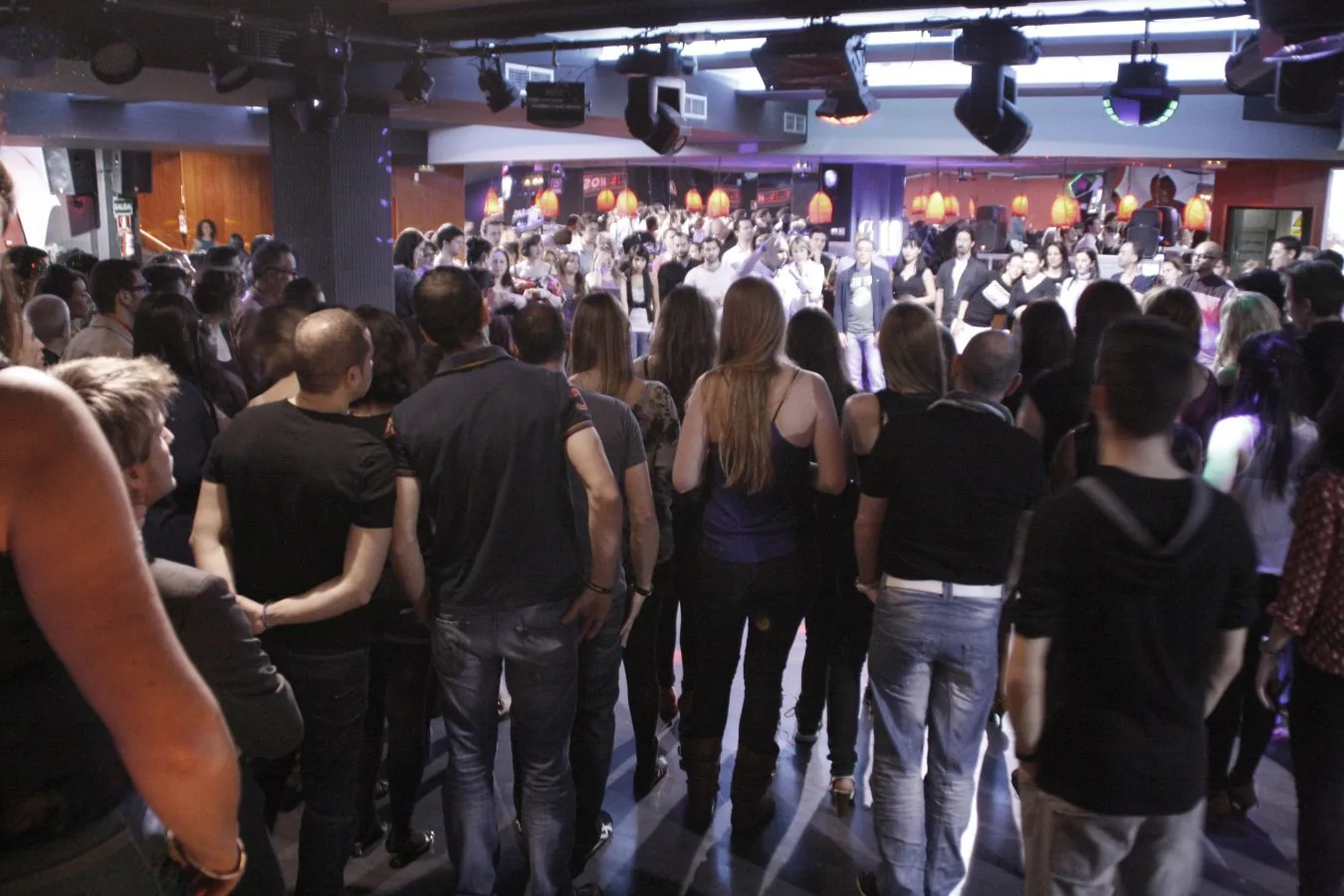
The scene is also dense in the literal sense. The core salsa venues are clustered in central Madrid — Atocha, Moncloa, Centro — within a few metro stops of each other. You can hit three different rooms in a single night without calling a cab. Add the Sunday Jowke socials and the weekly Mambo Swing nights out in Arroyomolinos (worth a trip if you’re driving), and you have a seven-nights-a-week calendar.

Madrid’s scene is also late. Not late by Barcelona standards (Barcelona is later), but late by any Northern European measure. Doors open at 22:00 or 23:00. Floors fill around 00:30. The best hours are between 01:00 and 03:00. Serious dancers don’t leave before 04:00 on a weekend. If you’re flying in from Berlin or London, plan for a short nap before the first social — this is not a city that rewards dancing tired.

One thing Madrid does less well than Barcelona: summer outdoor socials. Madrid summers are brutally hot, and August empties out as locals leave town for the coast. The scene is best from October through June.

Where Can I Dance Salsa in Madrid?

Here are the venues I’d build a trip around. All are verified active in 2026, and all run specific salsa or salsa-heavy nights.

Azúcar Salsa Disco

Azúcar Salsa Disco at Calle de Atocha 107 is the nerve centre of central Madrid’s salsa scene. Latin Nights run Thursday, Friday and Saturday from 23:00, and the listed entry is free — which is remarkable for a venue at this level. The crowd is serious, the floor is large, the DJs know their music, and the energy runs high. This is where congress-level Madrid dancers actually dance when they’re not at a congress.

Azúcar is also the easiest venue to recommend to a first-time visitor. Central location, no cover, reliable nights, salsa-heavy playlist with bachata sets mixed in. If you have one night in Madrid, this is where I’d put you.

The Host

The Host on Calle de Ferraz 38 in Moncloa is the multi-night workhorse of the Madrid scene. The venue runs a different format almost every night of the week: Tuesday Kizomba Night, Wednesday Bachata Night, Thursday Salsa & Bachata, Friday Bachata Night, Saturday Latin Crossover (salsa, bachata and kizomba in one room). That flexibility is rare in Europe — most venues commit to one style. The Host gives you a different dance experience four or five nights in a row at the same address, which is genuinely useful for a dancer on a week-long trip.

Caveat: Fridays at The Host are bachata-focused, which means it’s not your salsa-night-of-the-week. Use it as your Tuesday, Wednesday, or Thursday base and spend Friday and Saturday elsewhere.

Temple Madrid

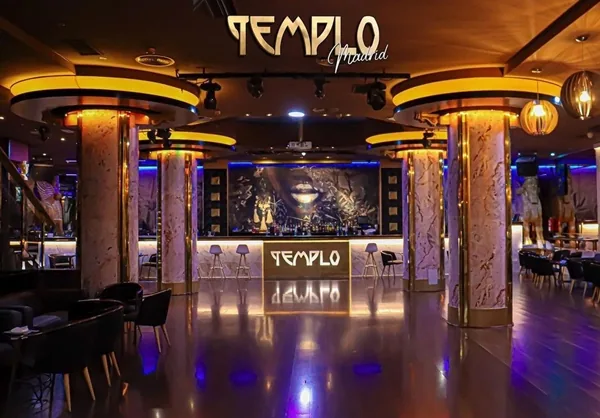
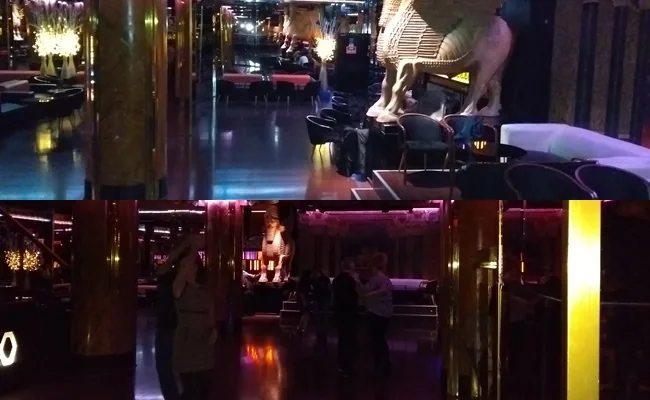
Temple Madrid at Calle de Ferraz 1, a block from The Host, runs a Tuesday Salsa & Bachata social from 21:00. Tuesday is a strong midweek night in Madrid, and Temple is one of the more reliable spots to land on a Tuesday evening. The venue is smaller than Azúcar, the crowd skews slightly older and more dedicated, and the music selection leans classic. If you’ve ever wanted to dance to 1990s NY-style salsa tracks with regulars who actually know the artists, Temple on a Tuesday is a genuine pleasure.

Mambo Swing

Mambo Swing runs Latin Socials on Friday, Saturday and Sunday. The catch: the venue is in Arroyomolinos, which is roughly 25 km southwest of central Madrid — a €20 Uber ride or a Cercanías train. That means it’s not where a tourist ends up by default, but the Friday and Sunday socials are worth the trip if you want to see what the suburban Madrid scene actually looks like. Earlier start times (18:00 on Fridays) make it a useful pre-dinner warm-up.

Jowke Club (Sundays)

Jowke Latin Sundays — which runs at Jowke Club from 23:30 on Sunday nights — is the city’s main Sunday social and draws a dedicated late-night crowd. If you’re in Madrid for a Sunday and don’t want to break the weekend streak, Jowke is the answer.

Bigger Picture

Beyond those, Madrid has a rotating cast of studio socials, one-off promoter nights, and pop-up bachata-heavy events. For up-to-the-week coverage browse the current salsa events in Madrid listings. The density of options is genuinely the city’s signature — you never run out of dance floors.

What Nights Are Best for Salsa in Madrid?

Here’s how a full Madrid dancing week can look in 2026. This is not hypothetical — this is a week I’d happily do, and have done:

  • Monday: Quiet. Rest day. Madrid is one of the few European cities where the Monday salsa scene genuinely thins out.
  • Tuesday: Temple Madrid salsa-bachata social. Solid midweek opener.
  • Wednesday: The Host (Bachata Night, or whatever salsa event they’re running that week).
  • Thursday: Azúcar kicks off its Latin weekend. The Host runs Salsa & Bachata. Pick one or do both.
  • Friday: Peak. Azúcar, Mambo Swing, The Host, and numerous pop-up events. If you’re in Madrid for one night, make it Friday.
  • Saturday: Peak+. Azúcar, Mambo Swing, The Host Latin Crossover. Floors don’t fill until midnight but they don’t empty until 04:00+.
  • Sunday: Jowke Latin Sundays from 23:30. Mambo Swing 18:00–22:00 for an earlier-evening option.

The key observation: Madrid’s weekend effectively runs Thursday to Sunday. If you’re structuring a trip around dancing, a Wednesday-to-Monday stay gets you four peak-to-near-peak nights. A weekend-only trip (Friday–Sunday) gets you the three biggest nights in Europe’s most dance-dense city.

One thing to internalise: Madrid starts very late. A 22:00 “start” means the doors open. 23:30 is when early dancers arrive. Midnight is when the floor gets going. 01:00–03:00 is the heart of the night. Adjust your whole schedule accordingly — eat dinner at 21:00 minimum, sleep until 11:00 the next day, and consider a siesta. The Spanish schedule is not a stereotype; it is the operational reality of the dance scene.

Colombian, Cuban, Sensual: The Style Mix

Madrid floors are style-mixed but with distinctive leanings. A typical night will include:

  • Colombian salsa (salsa caleña) — fast, footwork-heavy, ground-based. Madrid’s large Colombian community keeps this genuinely alive, not as a workshop curiosity.
  • Cuban salsa (casino) — the circular, grounded style from Havana, often danced in rueda formations at dedicated nights.
  • LA-style (On1) and NY-style (On2) — the linear, slot-based styles. Strong in the Spanish studio scene.
  • Spanish sensual-style salsa — lower-key, body-movement-focused, influenced by the sensual bachata tradition.
  • Bachata — omnipresent. Most salsa venues run heavy bachata rotations.

If you come from a Cuban or Colombian salsa background, you’ll feel instantly at home at Azúcar and The Host. If you dance linear On1 or On2, the Spanish studio crowd is your people — you’ll often find them at Mambo Swing and at the studio-run events. For a deeper primer on what these styles look like and how they differ, our guide to Cuban salsa vs LA style vs NY style covers the musical and movement differences.

The one style tension worth naming: Madrid’s studio scene is heavily sensual-bachata-influenced, and that shows up in how some of the younger dancers dance salsa — softer, closer, more body-movement-led. Older dancers and Latin American regulars tend to dance more classically. Both coexist peacefully. Both are correct.

What Should I Expect at a Madrid Salsa Social?

Dress Code

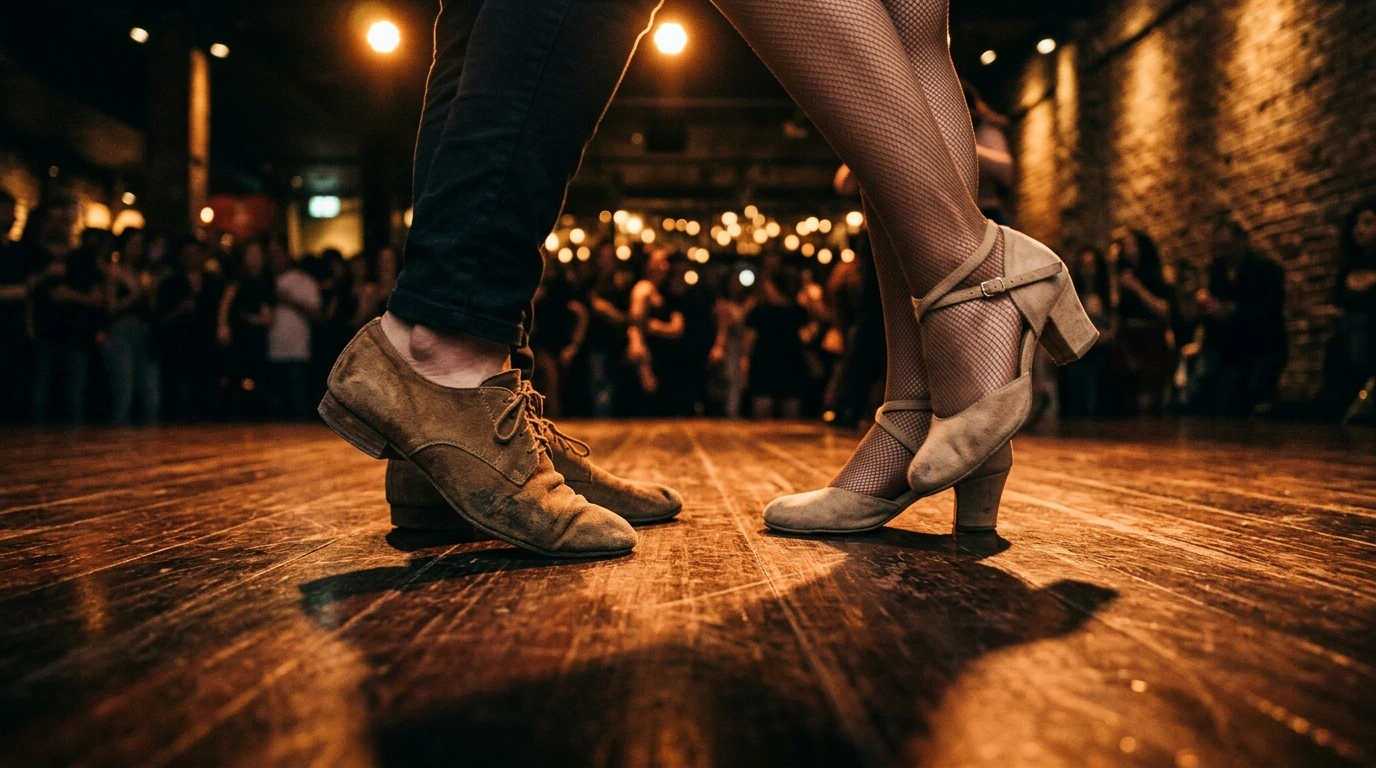
Smart, not fancy. Madrileños dress up more than Berliners but less than Parisians. Dark jeans and a nice shirt, or a dress with dance shoes, will fit everywhere. The core venues are not nightclubs with VIP rooms — they’re dance clubs, where dancers dress for four hours on the floor. Functional beats glamorous. Our dance floor etiquette guide covers the broader social conventions if this is your first serious salsa city.

Cover Charge

Often free at Azúcar and The Host. Where there is a cover, expect €5–€12. Drinks are €6–€10 for a beer or cocktail. Madrid is genuinely cheap compared to Paris, London or Zurich — you can have a full dancing evening for under €25.

Asking to Dance

Direct and frequent. Madrid regulars expect to be asked, and ask often themselves. Eye contact, a smile, an extended hand — or the simple ¿Bailas? Don’t overthink rejection; just move on. The floor is large enough that someone is always free.

One real cultural note: Madrid dancers hold higher conversational-Spanish expectations than Barcelona or Berlin. Many are perfectly happy dancing with a non-Spanish speaker, but the pre-dance small talk tends to happen in Spanish. Ten words of Spanish will genuinely improve your night. Our how to find social dance events while traveling guide has a short phrasebook worth scanning before a trip.

Pre-Social Classes

Many venues run a pre-social class from 21:00 or 22:00, typically included in the door price. These are a great low-pressure way to meet regulars before the social starts. Worth arriving early even if you’re an experienced dancer — the rotation in class gives you a dance card’s worth of partners before the social begins.

Can I Also Dance Bachata and Kizomba in Madrid?

Yes, and to both at a world-class level.

Bachata

Madrid is the birthplace of Sensual Bachata — Korke and Judith developed the style in Cadiz and Madrid in the early 2000s — and the city remains the global epicentre. Nearly every salsa venue plays a heavy bachata rotation, and several venues (The Host’s Wednesday and Friday, numerous studio-run events) are bachata-specific. Sensual dominates, but Dominican bachata has a strong following through the Dominican community, and Modern/Urban is growing. If you’re a bachata-first dancer, Madrid is arguably the single best city in the world. See best cities for bachata in Europe and current bachata events in Madrid.

Kizomba

Madrid’s kizomba scene is smaller than Lisbon or Paris but genuinely active. The Host’s Tuesday Kizomba Night is a fixture, and there’s a Portuguese-speaking community and a dedicated Spanish kizomba community that keeps weekly socials running. Current kizomba events in Madrid. If you’re new to kizomba, our kizomba for beginners guide is a good primer.

Are There Salsa and Bachata Festivals in Madrid?

Madrid’s festival circuit is one of the most active in Europe. A few flagships to know for 2026:

VACILALO CONGRESS MADRID 2026

VACILALO Congress Madrid runs 17–20 September 2026 and covers salsa and bachata. One of the bigger autumn congresses in Southern Europe, drawing international instructors and packed social floors.

Madrid Zouk Bachata Festival 2026

Madrid Zouk Bachata Festival on 17–20 September 2026 overlaps with VACILALO and focuses on zouk and bachata. If you want a zouk-inflected bachata weekend, this is the bill. For the broader zouk picture, see best zouk festivals 2026.

Rhythm Vibes Marathon Experience 2026

Rhythm Vibes Marathon (21–24 August 2026) is a bachata marathon-format event — less workshop-heavy, more social-heavy, which suits dancers who already have their technique and just want floor time.

KIM — Kizomba International Madrid 2026

KIM 2026 runs 13–16 March and is Madrid’s flagship kizomba event. Packed with international artists, multiple rooms, proper late-night socials.

For the full European picture, browse our festival calendar and the best summer salsa festivals in Europe 2026 roundup.

How Do I Get to Madrid Salsa Venues?

Madrid’s metro is excellent, cheap, and reliable. The core venues map out as follows:

  • Azúcar Salsa Disco (Calle de Atocha 107): Metro L1 to Antón Martín — a 5-minute walk. Central, easy.
  • The Host and Temple Madrid (Calle Ferraz, Moncloa): Metro L3 to Ventura Rodríguez or L6 to Argüelles. 10-minute walk.
  • Mambo Swing (Arroyomolinos): Not metro-accessible. Cercanías train C-5 to Móstoles-El Soto then a taxi, or just take a direct Uber (~€20–€25 from centre). Not practical without some planning.
  • Jowke (Sundays): Central Madrid, walkable or short metro ride from most city-centre hotels.

Operationally important: the Madrid metro closes at 01:30 Sunday–Thursday, and runs all night on Friday and Saturday. Since socials routinely continue until 03:00 or 04:00 on weekdays, you’ll need a taxi or rideshare home several nights a week. Uber, Cabify and FreeNow all work. A cross-city ride is typically €8–€15.

For visual planning, use our interactive map to see where venues sit relative to your accommodation.

Where to Stay, Eat, and Recover

For a dancer-friendly base, Centro (particularly Sol, Malasaña, and Chueca) puts you within a 10-minute metro ride of every core venue. Malasaña is especially good — lively, packed with tapas bars and coffee spots for the next morning, and walkable to both Atocha (Azúcar) and Moncloa (The Host and Temple). Lavapiés is an alternative if you want a grittier, more multicultural base with shorter walks to Azúcar.

Avoid staying near the airport or the AZCA business district — the transport time to the salsa venues will cost you dancing hours.

Food: Madrid’s late dinner culture is a genuine asset for a dancer. You can eat at 22:00, then dance at 00:30. Go to a taberna, order croquetas and patatas bravas, and don’t overthink it. Breakfast the next day is a late affair — churros con chocolate at 11:00 is a legitimate post-social ritual.

Tips for Visiting Dancers

  • Check our salsa events in Madrid listing before every night out — the scene has enough movement that last-minute pop-ups matter
  • Don’t skip the pre-social class. Even if you’re experienced, the rotation gives you partners and context for the social to come
  • Sleep in. A full Madrid week requires late bedtimes. Plan for 11:00 wake-ups, not 07:00
  • Cash is optional at the core venues but useful at studio-run events and smaller nights
  • The Madrid-Barcelona AVE takes three hours. If you have a week, a split trip is genuinely the best salsa week in Europe. Our best salsa dance weekends in Europe guide sketches how to structure this
  • Ten words of Spanish go a long way. ¿Bailas?, gracias, otra canción (another song), con permiso (excuse me). Regulars appreciate the effort
  • Hydrate aggressively. Madrid is dry, the venues get hot, and you’ll dance four to five hours. Bring a water bottle
  • Avoid August if possible. The scene thins as locals leave for the coast. October–June is peak
  • Learn the basic of bachata even if you’re a salsa dancer. Sensual bachata is omnipresent at Madrid salsa nights and knowing a few moves effectively doubles your dance time

Find Events

Browse current salsa events in Madrid and bachata events in Madrid, updated weekly. For kizomba, kizomba events in Madrid. If you’re combining cities, read salsa dancing in Barcelona. Planning a broader European trip? Our guide to salsa dancing in Paris covers the next major stop north, and the interactive map is useful for visualising where events cluster across Europe.

Share this guide:
Colin, Travel & City Guide Writer at Where to dance Salsa

Colin

Travel & City Guide Writer

Travel writer and salsa dancer who has researched scenes across Europe, Latin America, and North America. Colin's guides are built on firsthand visits and local contacts.

Find Events

Events are updated weekly — browse what's on now.